Introduction: The Shock of the New – Fauvism and its Rejection of Tradition
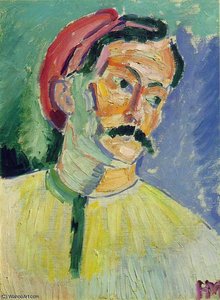
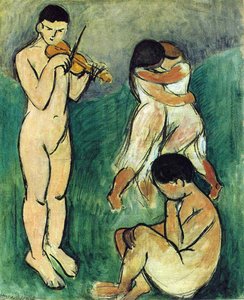
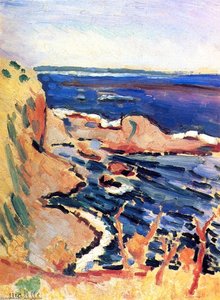
Fauvism ( FOH-viz-əm) is a style of painting and an art movement that emerged in France at the beginning of the 20th century. It was the style of les Fauves (French pronunciation: [le fov], the wild beasts), a group of modern artists whose works emph...
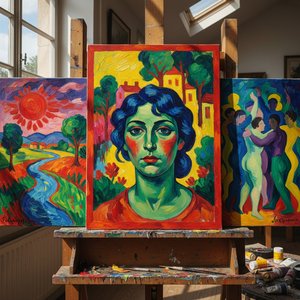
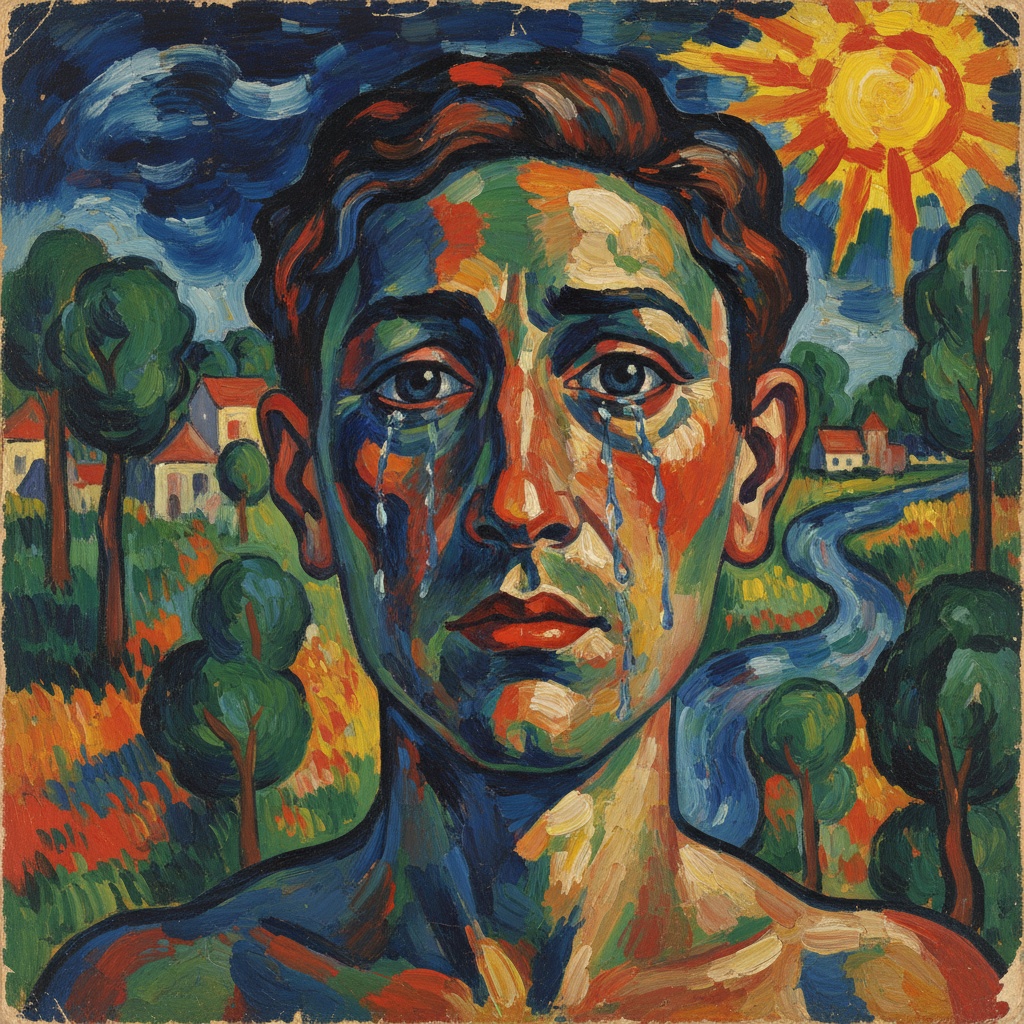
The early 20th century was a period of seismic shifts, not just in societal structures but also within the very foundations of artistic expression. A quiet revolution began to brew in Paris, one that would challenge centuries-old conventions of representation and usher in an era defined by subjective experience and unrestrained color. This rebellion coalesced into what became known as Fauvism – a movement so radical in its departure from academic norms that it initially provoked scorn and derision. Where Impressionism sought to capture the fleeting effects of light, Fauvism aimed for something far more visceral: the direct translation of emotion onto canvas through pure, often non-naturalistic color. It wasn’t about depicting *what* they saw, but rather *how* it made them feel. This bold approach, though short-lived as a cohesive group, irrevocably altered the course of modern art.
The Birth of 'Les Fauves': Key Artists and Their Early Influences
 Wikipedia: Henri Matisse
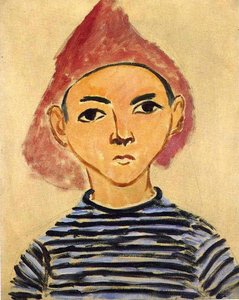
Henri Émile Benoît Matisse (French: [ɑ̃ʁi emil bənwa matis]; 31 December 1869 – 3 November 1954) was a French visual artist, known for both his use of colour and his fluid and original draughtsmanship. He was a draughtsman, printmaker, and sculptor, ...
The story of Fauvism is inextricably linked to a small circle of artists who dared to break from established traditions. At its heart were Henri Matisse and André Derain, figures whose names would become synonymous with the movement’s explosive energy. However, their journey wasn't one of spontaneous creation; it was built upon a foundation of artistic exploration and a growing dissatisfaction with prevailing styles. Early influences included Post-Impressionists like Vincent van Gogh and Paul Cézanne, artists who themselves had challenged conventional perspectives. Van Gogh’s emotive use of color and expressive brushstrokes resonated deeply with the Fauves, while Cézanne's emphasis on form and structure provided a counterpoint to Impressionism’s focus on fleeting moments. Crucially, exposure to non-Western art – particularly African sculpture – played a pivotal role. The simplified forms, bold patterns, and raw power of these objects liberated them from the constraints of Western artistic conventions.
A Palette Unleashed: Characteristics of Fauvist Painting – Color, Brushwork, and Form
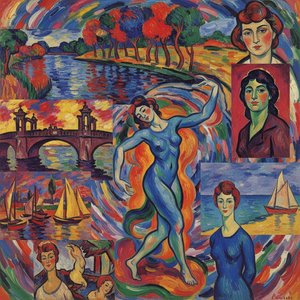
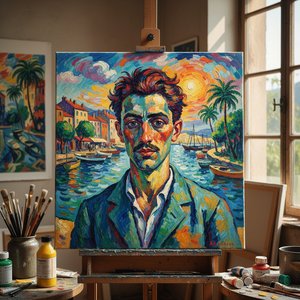
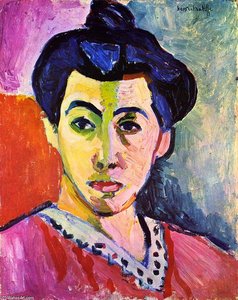
To encounter a Fauvist painting is to be immediately struck by its sheer vibrancy. Color wasn’t merely descriptive; it was the *subject* of the work. Artists employed intense, often arbitrary hues—fiery reds, startling yellows, and electric blues—applied in broad, unmodulated strokes. This rejection of naturalistic color palettes was deliberate, a conscious effort to evoke emotion rather than replicate reality. Brushwork was equally expressive, often loose and gestural, creating a sense of immediacy and spontaneity. Forms were simplified and abstracted, sometimes bordering on distortion, further emphasizing the emotional impact of the composition. Perspective often flattened, rejecting traditional notions of depth and spatial illusionism. Henri Matisse, in particular, explored the relationship between color and form with unparalleled intensity, famously stating that he sought to create “a synthesis of feeling.” This wasn’t simply about aesthetic innovation; it was a fundamental shift in how artists approached their craft—a move away from objective representation towards subjective expression.
Iconic Masterpieces: Examining Defining Works by Matisse, Derain, and Vlaminck
Several works stand as testaments to the Fauvist spirit. Woman with a Hat (1905) by Matisse, initially met with outrage at the Salon d'Automne, exemplifies the movement’s bold use of color and unconventional composition. The jarring juxtaposition of hues and the seemingly careless application of paint shocked audiences accustomed to more refined techniques. André Derain’s Charing Cross Bridge (1906) similarly demonstrates the Fauves’ willingness to abandon naturalistic representation in favor of expressive color and simplified forms. Maurice de Vlaminck, another key figure, embraced a raw, almost primitive style, as seen in his landscapes characterized by intense colors and vigorous brushwork. These paintings weren't intended to be literal depictions of their subjects; they were emotional responses translated onto canvas—a celebration of pure visual sensation.
Fauvism’s Brief Blaze: Historical Context and the Movement’s Legacy
Despite its profound impact, Fauvism was remarkably short-lived as a cohesive group. The movement flourished between 1905 and 1908, marked by three pivotal exhibitions that showcased the artists' radical new style. However, internal disagreements and diverging artistic paths led to its eventual dissolution. André Derain, for example, began to explore more classical forms, while Matisse continued to refine his unique approach to color and composition throughout his long career. The historical context is crucial: this was a period of rapid social and political change, marked by anxieties about modernity and a growing sense of alienation. Fauvism can be seen as a response to these anxieties—a rejection of traditional values in favor of individual expression.
The Enduring Impact: How Fauvism Paved the Way for Expressionism and Beyond
Expressionism is a modernist movement, initially in poetry and painting, originating in Northern Europe around the beginning of the 20th century. Its typical trait is to present the world solely from a subjective perspective, distorting it radically ...
Though brief, Fauvism’s influence on subsequent art movements was immense. It laid the groundwork for Expressionism, which further explored the subjective experience and emotional intensity of the artist. The emphasis on color as a primary means of expression also paved the way for abstract art, liberating artists from the constraints of representational form. The Fauves’ willingness to challenge conventions and embrace experimentation continues to inspire artists today. Their legacy is not simply about specific techniques or styles; it's about a fundamental shift in how we perceive and understand art—a recognition that art isn’t merely about depicting reality, but rather about expressing the inner world of the artist. Discover more masterpieces and explore your own artistic journey with ArtsDot.com, where history's greatest artworks are brought to life.