The Liberation of Color: Understanding the Fauvist Revolution
At the dawn of the twentieth century, a seismic shift occurred within the hallowed halls of the Parisian art scene, an upheaval that would forever alter our perception of reality and representation. This was the birth of Fauvism, a movement so startling in its audacity that it earned its name from the critic Louis Vauxcelles, who, upon witnessing the ferocious palette of the 1905 Salon d'Automne, famously described the artists as les fauves—the wild beasts. To understand Fauvism is to witness the moment when color was finally unshackled from the descriptive duties of nature. No longer was a tree required to be brown, nor a sky merely blue; instead, color became an autonomous force, a direct conduit for the artist's internal emotional landscape.
This revolution was not merely a change in aesthetic preference but a profound philosophical departure from the Impressionist tradition. While the Impressionists sought to capture the fleeting effects of light and atmosphere through subtle gradations, the Fauves embraced a primitive, raw intensity. They stripped away the complexities of perspective and anatomical precision, replacing them with flat planes of pigment and jarring contrasts. This liberation allowed for a new kind of visual truth—one that prioritized the subjective experience of the soul over the objective observation of the eye. It was an era where the canvas became a battlefield of pure, unadulterated emotion.
The Wild Beasts: Profiles of Matisse, Derain, and the Avant-Garde
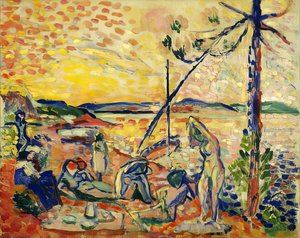
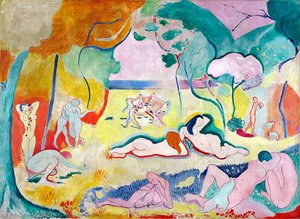
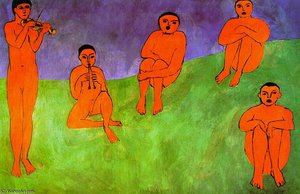
At the heart of this chromatic storm stood Henri Matisse, a figure of unparalleled influence whose work served as both the foundation and the zenith of the movement. Matisse possessed an uncanny ability to balance decorative harmony with emotional depth. In masterpieces such as Le Thé dans le jardin, one observes how he utilizes a vibrant palette to evoke the serene yet pulsating energy of everyday life. His approach was never about chaos; rather, it was about finding a rhythmic equilibrium through color, using bold shapes to guide the viewer's gaze through a landscape of pure sensation.
Alongside Matisse, André Derain emerged as a vital architect of this new visual language. His depictions of the French coast, particularly his works centered around Collioure, serve as quintessential examples of Fauvist vigor. In The Fishermen at Collioure, Derain employs broken, energetic brushstrokes and a startlingly bright palette to capture the sun-drenched vitality of the Mediterranean. His ability to transform a coastal scene into a mosaic of primary colors demonstrates the movement's capacity to breathe new life into traditional subject matter. Together, these artists—along with others like Maurice de Vlaminck—formed a collective spirit that challenged the very definition of fine art, pushing the boundaries of what could be expressed through the medium of oil on canvas.
Chromatic Emotion: How Bold Palettes Redulated Visual Language
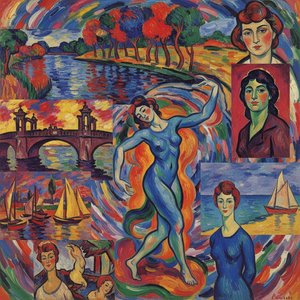
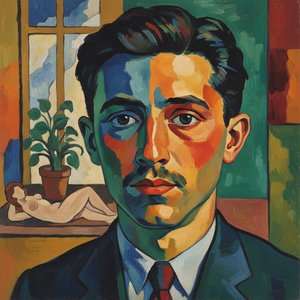
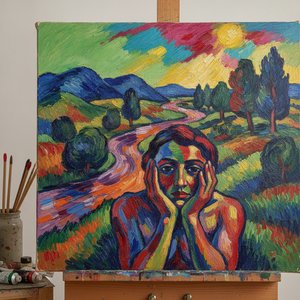
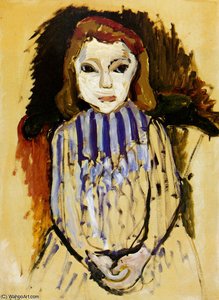
The true magic of Fauvism lies in its psychological impact. The movement introduced a vocabulary of color that functioned as a form of emotional shorthand. When an artist chooses a vermilion red for a shadow or a brilliant emerald for a human cheek, they are communicating a feeling that transcends literal description. This use of non-naturalistic color creates a sense of heightened reality, a dreamlike state where the boundaries between the external world and the internal psyche become blurred. The palette becomes a tool for resonance, striking chords within the viewer that are often felt before they are intellectually understood.
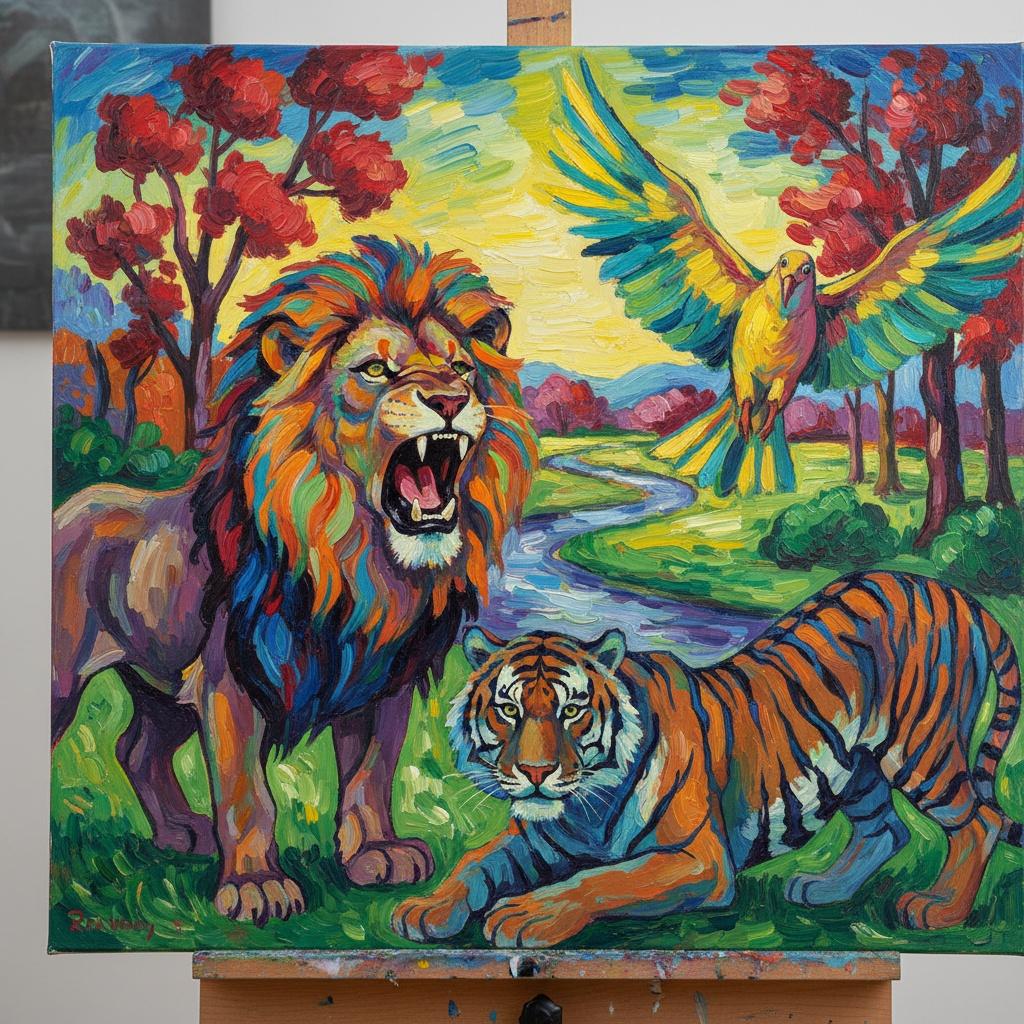
This chromatic intensity demands an active engagement from the spectator. One does not simply look at a Fauvist painting; one experiences it. The jarring juxtapositions of complementary colors—such as orange against deep blue—create a visual vibration, a shimmering tension that keeps the eye in constant motion across the surface. This technique effectively removed the "window" aspect of traditional painting, reminding the viewer that they are looking at a constructed, expressive surface. Through this method, the Fauves turned the canvas into an immersive environment of pure light and feeling.
Beyond Mimicry: The Technique of Expressive Brushwork and Form
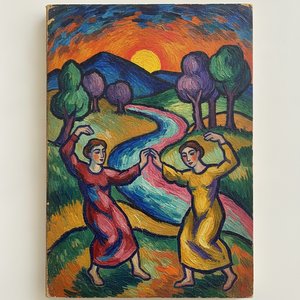
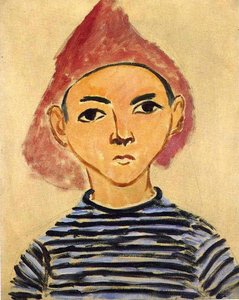
To achieve such profound emotional resonance, the Fauvist technique relied heavily on the physical presence of the paint itself. Moving away from the smooth, blended surfaces of the Academy, these artists embraced impasto and visible, gestural brushstrokes. Each stroke carries the weight of the artist's hand, a tactile record of the creative act. This emphasis on texture adds a sculptural dimension to the work, where the thickness of the pigment creates shadows and highlights within the paint itself, contributing to the overall dynamism of the composition.
Furthermore, the treatment of form in Fauvism is characterized by a deliberate simplification. By reducing complex figures and landscapes into essential shapes and outlines, the artists stripped away the distractions of detail to focus on the essence of the subject. This structural boldness allows the color to dominate the composition without being interrupted by unnecessary ornamentation. The result is a powerful, streamlined aesthetic where every element—from the heavy contour lines to the broad patches of color—works in unison to support the overarching emotional theme.
Fauvism’s Legacy: From Early Modernism to Contemporary Expression
Though the movement itself was relatively short-lived, its impact on the trajectory of modern art is immeasurable. The Fauvist rebellion paved the way for subsequent movements such as German Expressionism and even the abstract movements of the mid-twentieth century. By proving that color and form could exist independently of representational accuracy, they provided the essential toolkit for generations of artists to explore the depths of human subjectivity. The echoes of their "wild" energy can still be felt in contemporary works that prioritize expressive freedom over literal depiction.
Today, we continue to find inspiration in this era of fearless experimentation. For the modern collector and art enthusiast, the Fauvist spirit offers a way to bring vitality and emotional depth into the contemporary living space. Whether through the study of historical masterpieces or the appreciation of new works that carry this expressive torch, the legacy of the fauves remains a testament to the enduring power of color to move, provoke, and transform the human spirit.
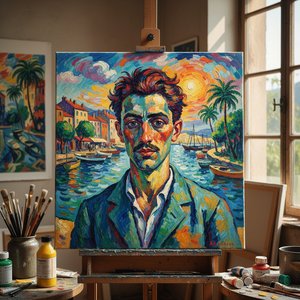
At ArtsDot.com, we celebrate this enduring passion for fine art. Our mission is to make these extraordinary moments of human creativity accessible to everyone, offering museum-quality, hand-painted reproductions that capture the very soul of the masters. From the thick, textured brushstrokes of a Derain-inspired landscape to custom portraits reimagined in an expressive style, our master artists bring the magic of art history into your home with unparalleled craftsmanship and dedication.