The Dawn of Fauvism: A Rejection of Impressionistic Norms
Fauvism ( FOH-viz-əm) is a style of painting and an art movement that emerged in France at the beginning of the 20th century. It was the style of les Fauves (French pronunciation: [le fov], the wild beasts), a group of modern artists whose works emph...
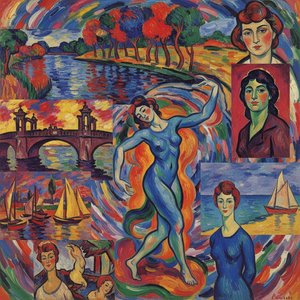
At the turn of the 20th century, a seismic shift rippled through the art world, challenging centuries-old conventions and ushering in an era of unprecedented artistic freedom. This wasn’t a gradual evolution; it was a deliberate revolt against the established order, a vibrant explosion of color that would come to be known as Fauvism – French for “wild beasts.” For decades, Impressionism had captivated audiences with its delicate rendering of light and atmosphere, its focus on fleeting moments captured *en plein air*. But a new generation of artists, restless and ambitious, felt constrained by these very qualities. They sought not to replicate the visual world but to express their inner emotional response to it, prioritizing subjective experience over objective representation. This desire for raw, unmediated expression led them down a path of bold experimentation, one that would forever alter the course of modern art.
The seeds of this rebellion were sown in the studios and salons of Paris, where artists like Henri Matisse, André Derain, Maurice de Vlaminck, and Raoul Dufy began to question the very foundations of painting. They weren’t interested in subtle gradations of tone or meticulous detail; instead, they embraced pure, unmodulated color – colors ripped from the tube and applied with a freedom that shocked and scandalized their contemporaries. This wasn't simply about aesthetics; it was a philosophical statement, a rejection of academic tradition and a celebration of individual vision.
Henri Matisse: The Leading Force Behind 'Les Fauves'
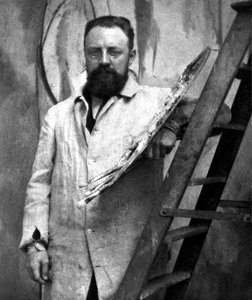 Henri Matisse
Explore Henri Matisse (1869-1954): Fauvism's master of color! Discover iconic paintings, cut-paper collages & his influence on modern art. A leading French painter.
While many artists contributed to the development of Fauvism, Henri Matisse undoubtedly stands as its central figure. Born in 1869, Matisse initially pursued a conventional artistic path, studying law before dedicating himself to painting. His early works demonstrate a mastery of traditional techniques, but it was his encounter with Post-Impressionist painters like Van Gogh and Gauguin that ignited his passion for color and simplification. Matisse wasn’t merely adopting these influences; he was synthesizing them into something entirely new – a style characterized by its audacious palette, fluid brushwork, and decorative patterns.
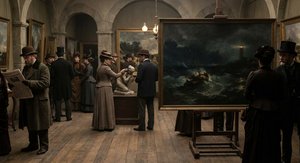
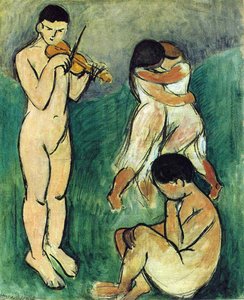
The pivotal moment came in 1905 at the Salon d'Automne in Paris. The exhibition featured a group of paintings by Matisse and his colleagues that were unlike anything audiences had ever seen before. Critics were aghast, dismissing their work as “les fauves” – wild beasts – due to its unrestrained use of color and seemingly crude execution. However, this derogatory label proved surprisingly apt, capturing the movement’s rebellious spirit and untamed energy. Matisse, initially hesitant about the term, ultimately embraced it, recognizing that it accurately reflected his artistic intentions. His painting Luxe II, with its three women bathed in a fiery red landscape, became an emblem of the Fauvist aesthetic – a testament to the power of color to evoke emotion and create a sense of pure visual pleasure.
Key Characteristics of Fauvist Painting: Color, Brushwork & Form
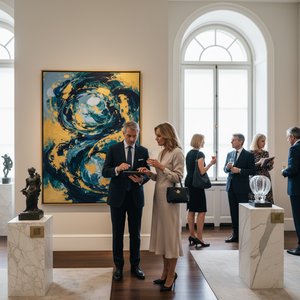 Unlocking Beauty: A Beginner's Guide to Appreciating Art
Unlock the beauty of art! Our expert guide for beginners explores artistic movements, visual language & interpretation. Develop your eye & deepen appreciation – start your journey today!
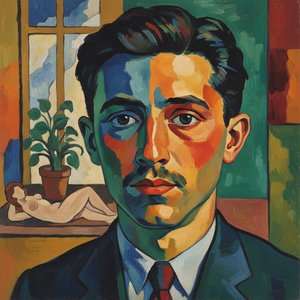
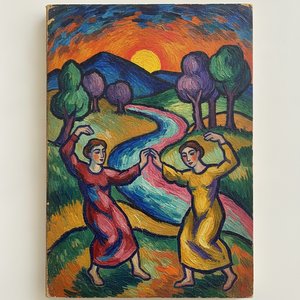
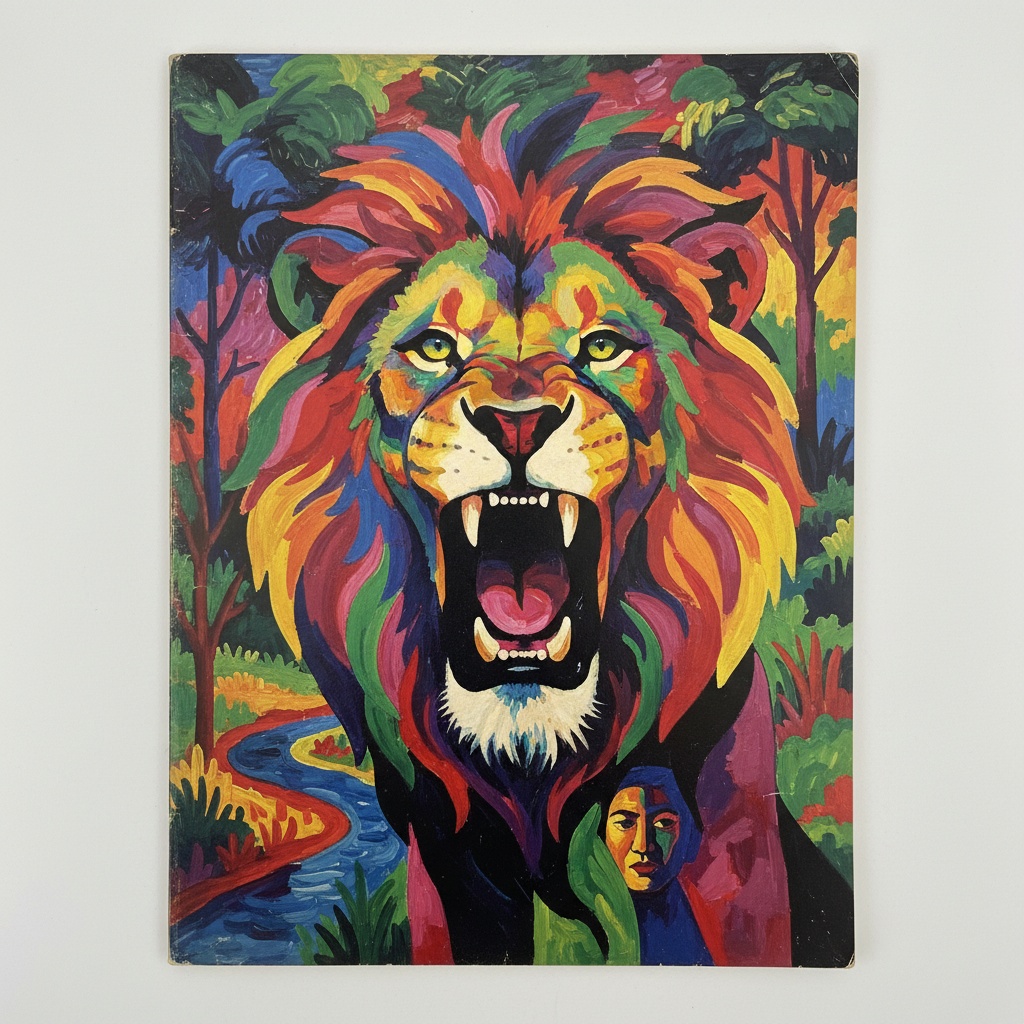
Fauvism wasn’t defined by a rigid set of rules but rather by a shared sensibility – a rejection of naturalistic representation in favor of subjective expression. The most striking characteristic of Fauvist painting is its intense, non-naturalistic color. Artists abandoned the subtle gradations and muted tones favored by Impressionists, opting instead for bold, saturated hues applied directly to the canvas. This wasn’t simply about using bright colors; it was about employing them as a means of conveying emotion and creating a sense of visual harmony.
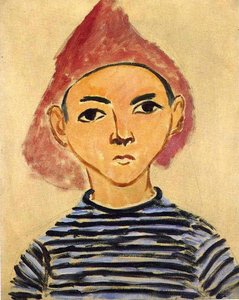
Equally important was the loose, expressive brushwork. Fauvist painters rejected meticulous detail in favor of dynamic strokes that emphasized the act of painting itself. The canvas became a site of energetic gesture, with visible brushstrokes adding texture and vitality to the composition. This approach not only conveyed a sense of spontaneity but also highlighted the artist’s individual hand – a deliberate rejection of academic precision.
Finally, Fauvist paintings often featured simplified forms. Artists reduced objects to their essential shapes, stripping away unnecessary detail and emphasizing the underlying structure of the composition. This simplification wasn't about creating abstract art; it was about focusing on the fundamental elements of form and color, allowing them to speak for themselves.
Beyond Representation: Symbolism and Emotional Expression in Fauvism
While often dismissed as purely decorative, Fauvist paintings were imbued with a deeper symbolic meaning. Artists weren’t simply interested in creating visually striking images; they sought to express their inner emotional states through color and form. The choice of colors wasn't arbitrary; it was carefully considered, reflecting the artist’s personal associations and feelings. For example, Matisse often used red to convey passion and energy, while blue evoked a sense of tranquility and contemplation.
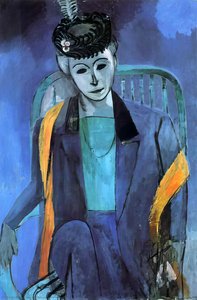
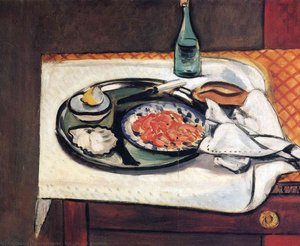
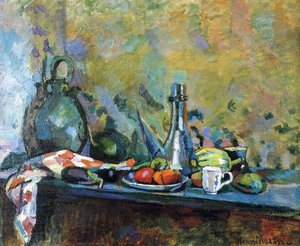
Portrait of Madame Matisse (Green Stripe), painted in 1905, exemplifies this symbolic approach. The jarring juxtaposition of colors – the green stripe across Madame Matisse’s face – isn't meant to be realistic; it’s a deliberate attempt to convey emotion and create a sense of psychological tension. Similarly, Still Life with Vase, Bottle and Fruit transcends its subject matter, becoming a vibrant exploration of color relationships and spatial dynamics. The arrangement of objects is carefully orchestrated, creating a harmonious composition that evokes a sense of joy and abundance.
The Brief but Impactful Legacy of Fauvism on Modern Art
Fauvism was a remarkably short-lived movement, lasting only from approximately 1905 to 1908. However, its impact on the development of modern art was profound. By challenging centuries-old conventions and embracing subjective expression, the Fauves paved the way for subsequent movements like Expressionism and Cubism. Their emphasis on color as an emotional force influenced generations of artists, inspiring them to explore new ways of representing the world.
Although the group eventually disbanded, its members continued to pursue their individual artistic visions. Matisse went on to become one of the most influential painters of the 20th century, constantly experimenting with color and form throughout his long and prolific career. The legacy of Fauvism lives on in the vibrant colors and expressive brushwork that continue to captivate audiences today.
Discover the captivating world of Fauvism and explore a stunning collection of masterpieces at ArtsDot.com, where you can find high-quality reproductions of iconic artworks by Henri Matisse and his contemporaries. Transform your space with the bold colors and emotional power of this revolutionary art movement.