
The Allure of Bespoke Fantasy: Why Commissioning Art is More Than Just an Image
For those who find themselves captivated by realms beyond the veil, by heroes and monsters born of myth and imagination, a simple reproduction often feels…incomplete. It lacks a soul, a connection to the very essence of what draws us to fantasy in the first place. Commissioning bespoke fantasy art isn’t merely acquiring an image; it's embarking on a journey—a collaborative act of creation that results in a unique artifact imbued with personal meaning and artistic power. It is about translating the landscapes of your inner world onto canvas, forging a tangible link to stories and visions that resonate deeply within you. The desire for such personalized expression speaks to a deeper human need: to not just *see* beauty, but to *participate* in its creation.
Mastering Oil Painting Techniques: A Foundation for Captivating Fantasy Worlds
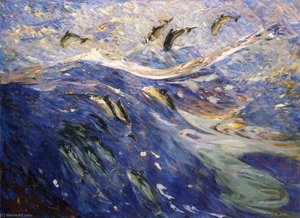 Fantasy (also known as Panel of the Sea 1)
Discover "Fantasy (Panel of the Sea 1)" by Charles Woodbury – a dramatic 1915 seascape! Impasto technique, dynamic waves & dolphins. Explore this Expressionist masterpiece's beauty and historical significance.
The enduring legacy of oil painting lies in its unparalleled ability to capture nuance and depth. Unlike digital mediums, which can sometimes feel sterile or overly polished, oil paint possesses a tactile quality—a richness born from layers of pigment suspended in drying oils. This isn’t simply about aesthetics; it's about the very *process* lending itself to the fantastical. The slow drying time allows for meticulous blending, creating seamless transitions between light and shadow, essential for rendering the ethereal glow of magical effects or the rugged texture of a dragon’s scales. Consider the foundational techniques: an initial charcoal sketch establishing composition, followed by an underpainting – often in monochrome – to define values. Subsequent layers build upon this base, utilizing glazing (thin washes of color) to create luminosity and scumbling (broken color applied loosely) for atmospheric effects. The choice of oil itself is critical; linseed oil offers transparency, poppy seed oil minimizes yellowing, while walnut oil provides a smooth consistency. A skilled artist understands these subtleties, manipulating the medium to achieve precisely the desired effect – from the impasto textures reminiscent of Charles Woodbury’s dynamic seascapes to the delicate blending seen in classical portraiture.
Historical Influences & Artistic Styles in Fantasy Art – From Renaissance to Modern Visions
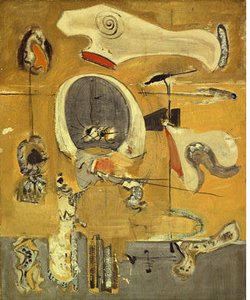 Sea Fantasy
The roots of fantasy art are surprisingly deep, stretching back through centuries of artistic innovation. While we often associate it with 20th-century illustrators like Frank Frazetta and Boris Vallejo, the seeds were sown much earlier. The meticulous detail and dramatic lighting of Renaissance masters – Caravaggio’s chiaroscuro, for example – laid the groundwork for depicting heroic figures and epic narratives. The Romantic movement, with its emphasis on emotion, imagination, and the sublime, further fueled the genre. Artists like Gustave Doré, renowned for his illustrations of Dante's *Inferno* and Milton’s *Paradise Lost*, created hauntingly beautiful visions of otherworldly realms. Even the Pre-Raphaelites, with their focus on mythology and symbolism, contributed to the visual language of fantasy. Mark Rothko’s ‘Sea Fantasy’, though abstract, demonstrates a powerful use of color and atmosphere that resonates with the genre's emotional core. Understanding these historical influences allows you to articulate your preferences more effectively when commissioning artwork – whether you desire the heroic realism of Frazetta, the ethereal beauty of Vallejo, or a style inspired by classical painting.
Finding Your Artist: Portfolio Review, Communication & The Commission Contract
Selecting the right artist is arguably the most crucial step in the commission process. A strong portfolio isn’t simply about technical skill; it's about finding someone whose artistic vision aligns with your own. Look for consistency in style, mastery of anatomy and perspective, and a demonstrated ability to render light and shadow convincingly. Pay close attention to how they handle color – are the hues vibrant and nuanced? Do their paintings evoke emotion? Beyond the technical aspects, assess their communication skills. A professional artist will be receptive to your ideas, willing to provide sketches and updates throughout the process, and able to articulate their creative choices clearly. Review testimonials from previous clients; what was their experience like? Were they satisfied with the final result? Crucially, insist on a detailed contract outlining the scope of work, payment terms (including deposit schedules), revision policy, and copyright ownership. This protects both you and the artist, ensuring a smooth and transparent collaboration.
From Concept to Canvas: The Collaborative Process of Bringing Your Vision to Life
Once you’ve chosen an artist, the real journey begins – translating your ideas into a tangible reality. Start by compiling a detailed mood board; gather images that capture the overall aesthetic, color palette, and emotional tone you desire. Include character sketches, environmental studies, and examples of lighting styles. The more information you provide, the better equipped the artist will be to understand your vision. Discuss composition – how will the elements be arranged within the canvas? What is the focal point? Consider the narrative aspect; what story do you want the artwork to tell? The preliminary sketch serves as a crucial roadmap. Review it carefully, providing specific feedback on anatomy, perspective, and overall composition. Don’t hesitate to request revisions until you are completely satisfied with the direction. Remember that this is a collaborative process – your input is invaluable.
Preserving Your Investment: Packaging, Shipping and the Longevity of Oil Paintings
A bespoke oil painting isn't simply an acquisition; it’s an investment—a piece of art intended to be cherished for generations. Therefore, proper care and preservation are paramount. A professional artist will utilize archival-quality materials – 100% cotton canvas, high-grade oil paints, and a protective varnish layer – to ensure longevity. The finished artwork should be carefully packaged with multiple layers of protection to prevent damage during transit. Reputable carriers like DHL or FedEx offer tracking information, allowing you to monitor the progress of your shipment. Upon arrival, inspect the painting carefully for any signs of damage. If necessary, contact the artist immediately to discuss a resolution. To ensure its continued beauty, avoid direct sunlight and extreme temperatures. Regular dusting with a soft brush will remove surface debris. With proper care, your commissioned masterpiece will endure as a testament to artistry, imagination, and personal connection.