The Historical Symbiosis: From Renaissance Still Life to Modern Culinary Presentation
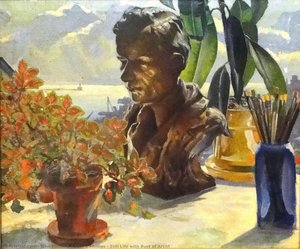 Still Life with Bust of Artist
Explore John Edmund Andrew Phillips’ ‘Still Life with Bust of Artist’ (1964). A richly detailed oil painting blending 19th-century realism with symbolic depth. Discover a cozy, atmospheric piece reflecting artistic legacy.
The relationship between art and food is ancient, yet its conscious elevation into a deliberate aesthetic practice truly blossomed during the Renaissance. Before this period, depictions of food were largely functional – representations of abundance or offerings within religious contexts. However, as artistic focus shifted towards realism and humanism, still life emerged not merely as documentation but as an exploration of texture, light, and symbolic meaning. Consider the Dutch Masters of the 17th century; their meticulously rendered game birds, overflowing fruit baskets, and gleaming silver weren’t simply exercises in technical skill. They were *vanitas* paintings – meditations on mortality, wealth, and the fleeting nature of pleasure. This legacy profoundly influences modern culinary presentation, where a dish isn't just sustenance but a carefully constructed narrative. The subtle arrangement of ingredients, the choice of plating, even the negative space surrounding the food—all echo these historical concerns with composition and symbolism. John Edmund Andrew Phillips’ ‘Still Life with Bust of Artist’ (1964) exemplifies this enduring fascination; it’s not simply about objects but about artistic legacy itself, a theme readily transferable to crafting a dining experience that honors tradition while embracing innovation.
Deconstructing the Plate: Applying Principles of Composition & Visual Harmony in Food Design
Applied aesthetics is the application of the branch of philosophy of aesthetics to cultural constructs. In a variety of fields, artifacts (whether physical or abstract) are created that have both practical functionality and aesthetic affectation. In ...
The principles governing successful painting—balance, proportion, rhythm, and unity—are directly applicable to the art of plating. A chef, much like a painter, begins with a blank canvas – the plate itself. The arrangement of elements must be visually harmonious; too much clutter overwhelms, while excessive emptiness feels stark and incomplete. Consider the rule of thirds, borrowed from photography and painting: positioning key ingredients at intersections or along imaginary lines creates a more dynamic composition. Furthermore, understanding color theory is paramount. Complementary colors (red and green, blue and orange) create visual excitement, while analogous colors (shades of yellow and orange) evoke warmth and tranquility. The interplay of textures – the smooth gloss of a sauce against the rough crumble of breadcrumbs—adds another layer of complexity. A successful plate isn’t just about taste; it's about creating a cohesive visual experience that anticipates and enhances the flavors to come.
Color, Texture, and Form: Evoking Emotion Through Gastronomic Aesthetics
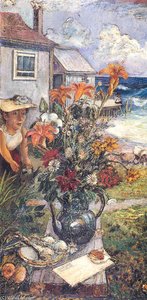 The artist's wife with a still life of flowers
Explore David Davidovich Burliuk’s "The Artist’s Wife." A captivating oil painting blending genre & landscape, influenced by Impressionism. Discover its nostalgic charm & symbolic beauty.
The emotional impact of food is inextricably linked to its appearance. Bright, vibrant colors often signal freshness and vitality, while muted tones can convey sophistication and earthiness. The texture of a dish—whether creamy, crunchy, or flaky—provides tactile anticipation, influencing our perception of taste even before the first bite. Form, too, plays a crucial role. A towering stack of pancakes evokes comfort and indulgence, whereas a delicate arrangement of microgreens suggests refinement and precision. David Davidovich Burliuk’s “The Artist’s Wife” beautifully illustrates this interplay; the painting isn't simply a portrait but a study in genre and landscape, imbued with nostalgic charm through its careful use of color and form. Translating these principles to culinary design means consciously selecting ingredients and techniques that evoke the desired emotional response – creating not just a meal, but an atmosphere.
Still Life as Inspiration: Reinterpreting Classic Paintings for Contemporary Hotel Dining Spaces
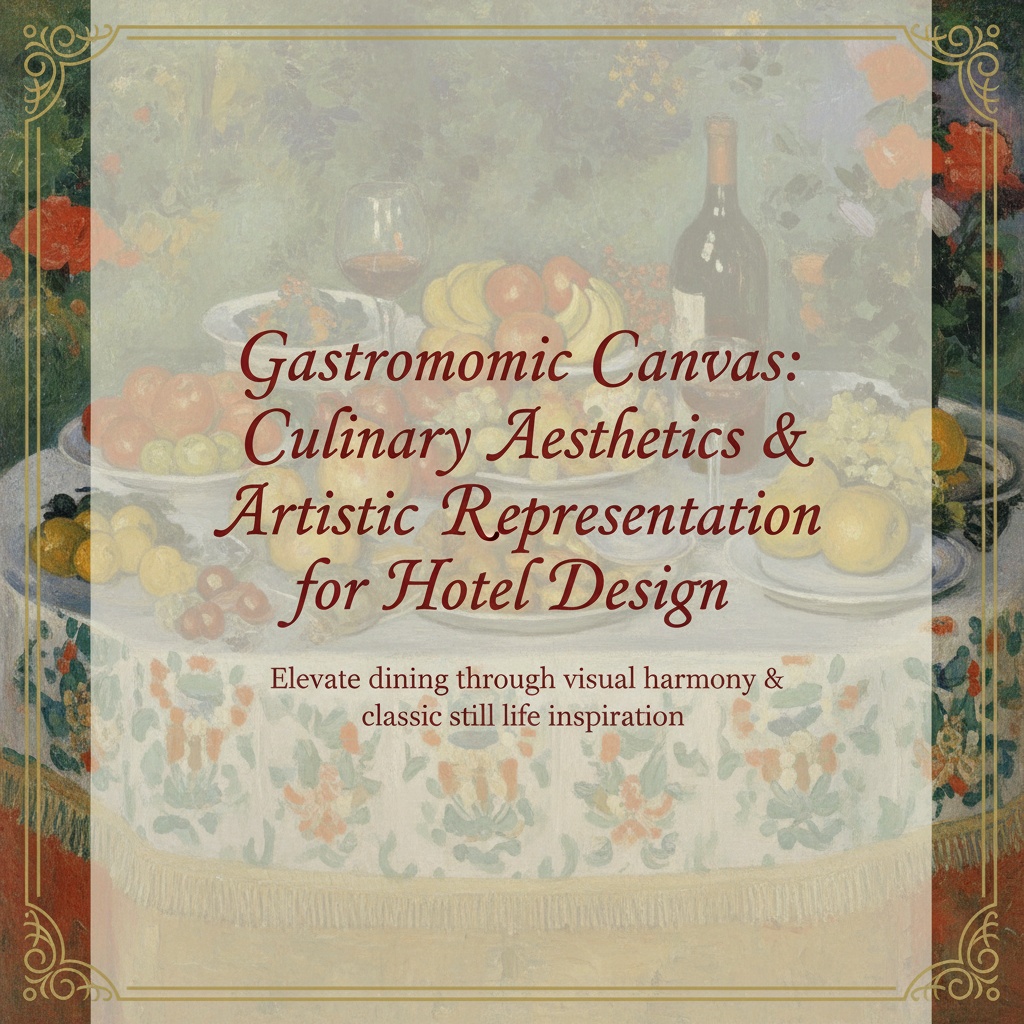
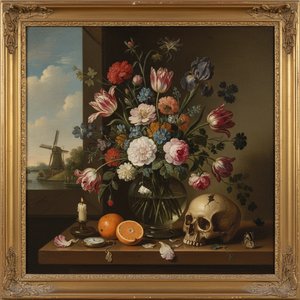 Jan Jansz Wijnants: A Study in Dutch Golden Age Still Life & Floral Transience
Explore the captivating world of Jan Wijnants and Dutch Golden Age still life painting. Discover symbolism, masterful techniques & lasting influence on floral art history. Learn more!
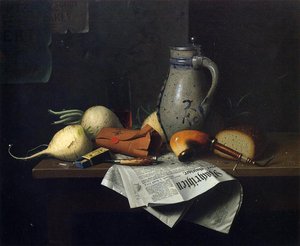
Hotel dining spaces offer unique opportunities to curate immersive experiences. Drawing inspiration from classic still life paintings can elevate these environments beyond mere functionality. Imagine a restaurant where the plating subtly echoes the compositions of John Frederick Peto’s “Still Life with Portrait of Artist's Daughter.” The realistic depiction of everyday objects, combined with a personal touch, could inform a menu focused on locally sourced ingredients and artisanal techniques. Alternatively, the rich detail and symbolic depth of Dutch Golden Age paintings—as explored in studies of Jan Jansz Wijnants’ work—could inspire a more opulent dining room, featuring elaborate table settings and carefully chosen lighting. The key is not to replicate these works literally but to distill their essence – the attention to detail, the sense of atmosphere, the underlying narrative—and translate them into a contemporary context.
The Art of Plating: Techniques Borrowed from Painting – Brushstrokes, Layers, and Negative Space
Many plating techniques are directly analogous to painting methods. The application of sauces can be likened to brushstrokes, creating texture and visual interest on the plate. Layering ingredients—building height and depth—mimics the layering of paint in a landscape or portrait. Perhaps most importantly, understanding negative space is crucial. Just as an artist uses empty areas to define form and create balance, a chef must strategically utilize blank space on the plate to highlight key elements. A single sprig of parsley, carefully placed, can draw the eye and add a touch of elegance. The use of edible garnishes—microgreens, flower petals, or fruit reductions—can function as accents, adding color and texture while reinforcing the overall composition. These techniques require not only technical skill but also an artistic sensibility – a willingness to experiment and embrace imperfection.
Curating a Culinary Narrative: Building an Artistic Identity Through Food & Décor
Ultimately, successful hotel dining experiences are about storytelling. The food, décor, and service should work in harmony to create a cohesive narrative that resonates with guests. Consider the overall aesthetic – is it rustic and farm-to-table, or sleek and modern? Every element—from the choice of tableware to the artwork on the walls—should reinforce this identity. A hotel might commission custom paintings inspired by local landscapes or ingredients, creating a unique sense of place. Alternatively, they could curate a collection of still life reproductions that reflect their culinary philosophy – emphasizing freshness, sustainability, or artisanal techniques. The goal is to create an environment where every detail contributes to the overall experience, transforming a meal into a memorable work of art. ArtsDot.com offers a vast selection of hand-painted reproductions and custom artwork options, allowing hotel designers to effortlessly curate spaces that tell compelling stories through the power of visual aesthetics.