


The Evolving Narrative: From Functional Space to Immersive Experience
For centuries, the restaurant existed primarily as a practical necessity – a place to refuel. But the modern appetite extends far beyond sustenance; it craves connection, story, and atmosphere. We’ve entered an era where dining is performance, and the restaurant itself has become a stage. This transformation isn't merely about aesthetics; it’s a fundamental shift in how we perceive and interact with food, driven by a desire for experiences that resonate on an emotional level. The roots of this evolution can be traced to movements like the Arts & Crafts revival, which championed holistic design and the integration of art into everyday life, but truly blossomed with the rise of experiential dining in recent decades.
Consider the deliberate artistry involved in crafting a memorable meal – from the chef’s meticulous plating to the sommelier's carefully curated wine pairings. This attention to detail demands an environment that complements and elevates these efforts. Contemporary restaurant design increasingly borrows from the principles of scenography, the art of designing theatrical spaces. It’s no longer enough to simply furnish a room; designers are now tasked with creating immersive worlds that transport guests, tell compelling stories, and foster lasting connections.
This holistic approach necessitates a deep understanding of how various elements – lighting, acoustics, spatial arrangement, even scent – contribute to the overall atmosphere. A successful restaurant narrative isn’t simply about visual appeal; it engages multiple senses to create a cohesive and unforgettable experience. The most compelling spaces are those that feel authentic, reflecting the chef's vision or celebrating the cuisine’s cultural origins.
Setting the Stage: First Impressions & The Power of Architectural Design
The initial moments within a restaurant are critical – they establish expectations and shape the guest’s perception for the remainder of their visit. A well-designed entrance, lobby, and sightlines act as a visual prologue, hinting at the experience to come. This is where architectural design takes center stage, communicating identity through form, material, and light. Think of Alexander Golovin's 'Dom Juan's Dining Room,' not merely a set piece but a carefully constructed world that immediately conveys elegance and dramatic tension. The richness of the fabrics, the ornate detailing, the deliberate use of perspective – all contribute to an atmosphere steeped in sophistication.
In contemporary restaurants, this translates into strategic choices regarding scale, proportion, and materiality. A grand entrance with soaring ceilings and statement chandeliers suggests luxury and occasion, while a more intimate entryway might feature warm wood tones and soft lighting to evoke warmth and conviviality. The flooring, wall coverings, and furniture selections all play a crucial role in establishing the initial mood. Consistency is paramount; the design must align seamlessly with the restaurant’s brand identity and culinary offerings. A rustic farmhouse aesthetic would feel jarring paired with sleek, minimalist décor, and vice versa.
Beyond aesthetics, consider the psychological impact of spatial arrangement. The flow of movement, the placement of tables, and the visibility of the kitchen all contribute to the overall experience. Open kitchens offer transparency and excitement, while secluded booths foster intimacy and privacy. Every element should be carefully considered to create a welcoming and engaging environment.
Sensory Harmony: Color, Lighting, and Spatial Arrangement in Restaurant Ambiance
The power of ambiance lies in its ability to subtly influence our emotions and perceptions. Color, lighting, and spatial arrangement are the fundamental building blocks of this sensory experience. Color psychology is a cornerstone of effective restaurant design; warmer hues like reds, oranges, and yellows stimulate appetite and create a lively atmosphere, making them ideal for casual dining establishments. Conversely, cooler tones such as blues and greens promote relaxation and sophistication, often favored in fine-dining settings.
Lighting plays an equally crucial role. Soft, diffused lighting creates intimacy and warmth, while brighter lights energize the space and encourage social interaction. The strategic placement of light can also highlight architectural features or artwork, drawing attention to key elements of the design. Consider the interplay of shadows and illumination – a carefully crafted play of light can transform a simple room into a captivating environment.
Spatial arrangement is often overlooked but profoundly impacts the dining experience. Intimate booths foster conversation and privacy, while communal tables encourage social interaction. The acoustics are equally important; excessive noise can detract from the enjoyment of a meal, whereas carefully chosen music can enhance it. A well-designed space considers not just how it looks but also how it feels – creating a harmonious balance that engages all the senses.
Cuisine as Context: Aligning Interior Design with Culinary Identity
The most successful restaurants understand that design and cuisine are inextricably linked. The interior should not exist in isolation; it must complement, enhance, and even narrate the story of the food being served. A rustic Italian trattoria might feature terracotta tiles, exposed brick walls, and vintage artwork to evoke the warmth and charm of Tuscany, while a sleek sushi bar would incorporate minimalist furniture, natural wood accents, and subtle lighting to reflect Japanese aesthetics.
This alignment extends beyond broad themes; consider incorporating ingredients, cooking techniques, or cultural motifs into the décor. A seafood restaurant might feature nautical-themed artwork and blue color palettes to evoke the ocean, while a farm-to-table establishment could showcase natural materials and botanical prints. The choice of tableware, glassware, and linens should also align with the overall design aesthetic – every detail contributing to a cohesive narrative.
The goal is to create an immersive experience that transports guests to another place or time, fostering a deeper connection with the cuisine and its origins. This requires careful consideration of the chef’s vision, the restaurant’s brand identity, and the target audience's preferences.
The Art of Atmosphere: Leveraging Wall Art for Emotional Resonance
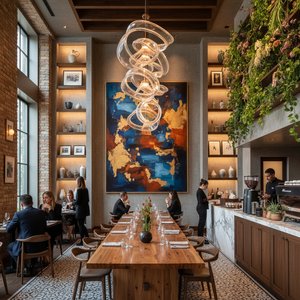
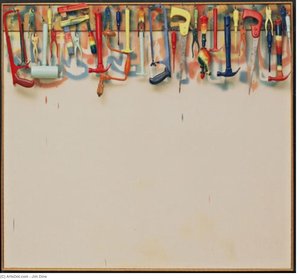
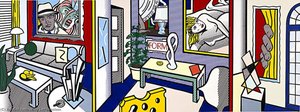
Artwork is more than just decoration; it’s a powerful tool for evoking emotions, establishing brand identity, and creating lasting impressions. The choice of art should align with the restaurant’s overall theme and target audience. Abstract paintings might convey sophistication and modernity, while landscape artwork evokes tranquility and relaxation. Commissioning bespoke pieces that reflect the chef’s vision or the cuisine’s origins can further enhance the sense of authenticity.
The placement of artwork is also critical; strategically positioned pieces can draw attention to key areas of the space or create focal points. Furthermore, the framing and lighting should complement the artwork, enhancing its visual impact. A thoughtfully curated collection can transform a simple room into a captivating gallery, adding depth and sophistication to the dining experience.
At ArtsDot.com, we offer an extensive library of reproductions and customization options, allowing restaurants to curate unique collections that reflect their individual style and budget. From classic masterpieces to contemporary works, our expert advisors can help you select pieces that perfectly complement your space and enhance the overall ambiance.
Beyond Aesthetics: Integrating Art to Enhance Brand Loyalty & Guest Experience
The integration of art into restaurant design is not merely about creating a visually appealing space; it’s about fostering emotional connections, strengthening brand identity, and cultivating customer loyalty. By carefully selecting artwork that reflects the restaurant’s values and culinary offerings, you can create a lasting impression on guests and encourage repeat visits.
Consider commissioning local artists to further enhance your brand identity and foster community engagement. Rotating artwork periodically keeps the space fresh and engaging, providing new visual stimuli for returning customers. Art can also be used as a conversation starter, creating opportunities for interaction and fostering a sense of connection with guests. Ultimately, the goal is to create an experience that transcends the purely functional – transforming your restaurant into a destination that people want to return to again and again.
At ArtsDot.com, we believe that art has the power to transform spaces and elevate experiences. Our team of expert advisors offers personalized consultations to help you curate collections that align with your individual style and budget. Let us help you create a restaurant that not only delights the palate but also captivates the soul.