


The Evolving Role of Art in Michelin-Starred Dining: Beyond Decoration
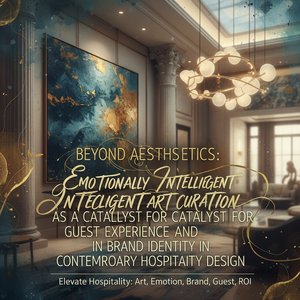 Beyond Aesthetics: Emotionally Intelligent Art Curation as a Catalyst for Guest Experience and Brand Identity in Contemporary Hospitality Design
Elevate your hospitality design with emotionally intelligent art curation. Expert insights on brand identity, guest experience & ROI. Discover bespoke solutions for luxury hotels and commercial spaces.
For centuries, the dining table has been more than a mere surface for sustenance; it’s a stage for social ritual, a canvas for culinary artistry, and increasingly, a gallery for aesthetic contemplation. While historically restaurant décor often served a functional purpose – providing comfortable seating or signaling a certain level of formality – contemporary fine dining has undergone a profound transformation. The most celebrated establishments now recognize that ambiance is not simply an accessory to the meal but rather an integral component of the overall experience, and at the heart of this shift lies a sophisticated understanding of art’s power to shape perception and evoke emotion. No longer relegated to passive ornamentation, artwork in Michelin-starred restaurants functions as a strategic element, carefully chosen to enhance the narrative of the cuisine, reinforce brand identity, and create lasting memories for discerning guests.
The selection process is rarely arbitrary. Many establishments collaborate with art consultants—individuals possessing a deep knowledge of artistic movements, historical context, and psychological impact—to curate collections that resonate with the chef’s culinary philosophy and the restaurant's target audience. Consider, for instance, a modern molecular gastronomy restaurant where dishes defy convention through innovative techniques and unexpected flavor combinations. Here, abstract expressionist works – paintings by artists like Jackson Pollock or Mark Rothko – might be employed to mirror the experimental spirit of the cuisine, suggesting a similar disregard for traditional boundaries. Conversely, a classic French bistro aiming to evoke a sense of rustic charm and timeless elegance could opt for impressionistic landscapes depicting sun-drenched fields and intimate gatherings, transporting diners to the heart of Provence. The placement of artwork is equally crucial; strategic positioning can draw the eye towards architectural features, influence conversation flow, or even subtly highlight specific dishes on the menu. Lighting plays a pivotal role, ensuring pieces are properly illuminated and contribute to the overall mood, transforming the dining room into an immersive environment.
Sensory Branding & Gastronomy: How Art Influences Taste and Perception
Sensory branding is a type of marketing that appeals to the senses in order to relate with customers on an emotional level. == Overview == Sensory branding is used to promote products or concepts to the customer by focusing on emotional responses t...
The concept of ‘sensory branding’—leveraging all five senses to forge deeper connections with consumers—finds particularly fertile ground within the realm of fine dining. While sight and sound have traditionally dominated marketing efforts, a growing body of research demonstrates that touch, taste, and smell are equally potent in shaping emotional responses and influencing subconscious perceptions. Restaurants, uniquely positioned to orchestrate this multi-dimensional sensory experience, are increasingly recognizing the power of art as a catalyst. The color palette of artwork, for example, can subtly influence appetite; warm tones like reds and oranges often stimulate hunger, while cooler hues such as blues and greens might evoke feelings of calm and sophistication. Textures in sculptures or mixed-media pieces engage the sense of touch, adding another layer of complexity to the dining environment. Perhaps most surprisingly, even the *subject matter* of art can impact taste perception.
Studies have shown that diners are more likely to enjoy food presented alongside artwork depicting similar flavors or ingredients—a phenomenon known as crossmodal correspondence. This highlights the interconnectedness of our senses and the remarkable ability of art to influence even physiological responses. Beyond individual preferences, the concept of ‘emotional intelligence’ in art curation is paramount. Selecting pieces that resonate with the target audience’s values and aspirations can foster a sense of connection and loyalty. A restaurant aiming for a sophisticated clientele might choose works by established artists, signaling prestige and refinement, while a more avant-garde establishment could opt for emerging talents to demonstrate innovation and creativity. The goal isn't simply aesthetic appeal but rather the creation of a cohesive sensory experience that elevates the entire dining event.
Curating for Emotion: Aligning Art Collections with Restaurant Identity
The most successful restaurants understand that art is not merely decorative; it’s an extension of their brand identity, a visual manifestation of their culinary philosophy and core values. This requires a meticulous attention to detail – from the selection of individual pieces to the overall thematic coherence of the collection. Just as a chef carefully sources ingredients to create harmonious flavors, art consultants curate collections that reflect the restaurant's unique personality and aspirations. The process often begins with a deep dive into the establishment’s history, mission, and target audience. What story does the restaurant want to tell? What emotions do they want to evoke? Once these questions are answered, the consultant can begin selecting pieces that align with the overall narrative.
Beyond style and subject matter, the *provenance* of artwork can also be significant. Featuring works by local artists demonstrates a commitment to community engagement, while showcasing pieces from specific regions or cultures reinforces a restaurant’s culinary focus. The use of bespoke artworks – commissions created specifically for the space – further enhances this sense of authenticity and uniqueness. These collaborations not only support emerging talents but also foster a deeper connection between the art and the dining experience. Furthermore, restaurants are increasingly incorporating interactive installations or digital artwork to engage guests in new and innovative ways, blurring the boundaries between physical and virtual worlds.
Art as Investment: Enhancing Guest Experience and Perceived Value
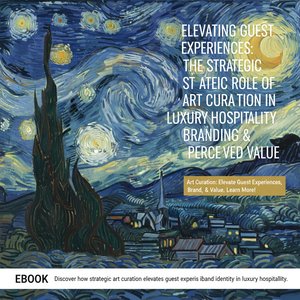 Elevating Guest Experiences: The Strategic Role of Art Curation in Luxury Hospitality Branding & Perceived Value
Discover how strategic art curation elevates guest experiences & brand identity in luxury hospitality. Expert insights on ROI, sourcing, and creating unforgettable spaces. Learn more!
Investing in art is not merely an expense but rather a strategic investment that yields significant returns in terms of guest satisfaction, brand recognition, and perceived value. A thoughtfully curated collection demonstrates a commitment to quality, creativity, and cultural patronage – qualities that resonate with discerning diners. Furthermore, art can serve as a conversation starter, fostering social interaction and creating memorable experiences. Restaurants are increasingly hosting art exhibitions or commissioning bespoke pieces specifically for their spaces, further enhancing their reputation as cultural hubs.
The selection process often involves collaboration with art consultants who understand the nuances of different styles, periods, and artists. These experts can advise on which pieces will best complement the restaurant’s culinary philosophy and target audience, ensuring a cohesive and impactful aesthetic experience. Beyond aesthetics, art can also be used to communicate a restaurant’s values or social mission. Featuring works by emerging artists or supporting local communities demonstrates a commitment to inclusivity and sustainability – qualities that are increasingly valued by consumers. The presence of high-quality artwork elevates the entire dining event, transforming it from a mere meal into an immersive cultural experience.
The Future of Immersive Dining: VR, Technology, and Aesthetic Experiences
As technology continues to evolve, the boundaries between physical and digital worlds are becoming increasingly blurred. Virtual reality (VR) is at the forefront of this revolution, offering immersive environments that transcend the limitations of traditional dining spaces. Michelin-starred restaurants are pioneering this innovation, utilizing VR to create unforgettable sensory journeys that transport guests to different times and places without leaving their seats. EPIC.NOW exemplifies this trend, blending haute cuisine with contemporary art in a virtual reality setting.
Guests enter meticulously crafted worlds – from cherry blossoms in bloom to Edo-period Japan – designed to heighten emotional and sensory connection. This immersive experience transcends the limitations of traditional dining, allowing restaurants to showcase artwork in new and innovative ways—projecting paintings onto walls, creating interactive installations, or even allowing diners to step inside the artwork itself. The integration of art and technology is not merely a novelty but rather a strategic investment that enhances guest satisfaction, reinforces brand identity, and positions restaurants as leaders in culinary innovation. As VR technology becomes more accessible and sophisticated, we can expect to see even more creative applications emerge, blurring the lines between reality and imagination and redefining the very nature of the dining experience. ArtsDot is committed to providing high-quality reproductions that allow you to bring these inspiring aesthetics into your own space, whether it's a grand restaurant or an intimate home setting.