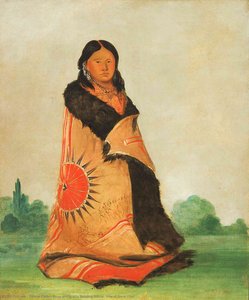
Introduction: Catlin's Vision – Documenting a Vanishing World
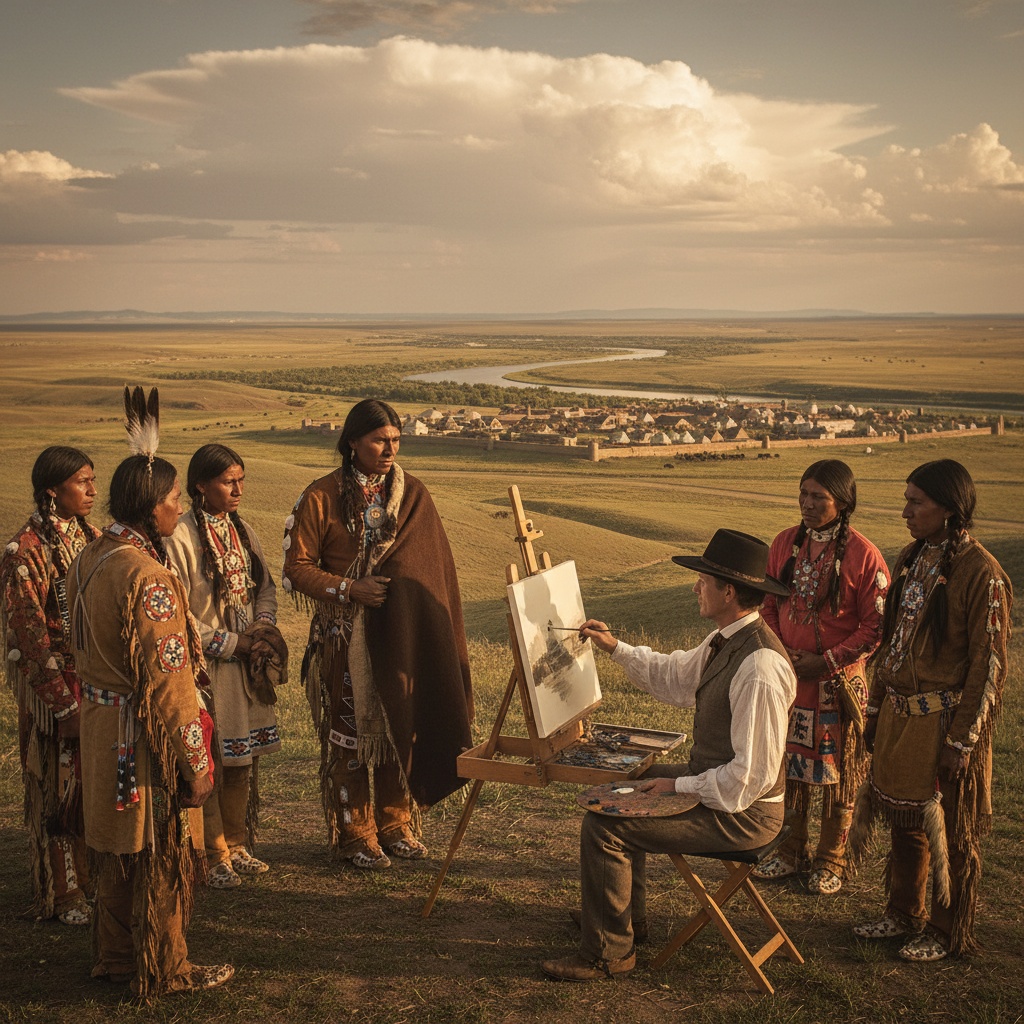
George Catlin, a name synonymous with the American West of the early 19th century, wasn’t merely a painter; he was a witness. Driven by an almost prophetic sense of urgency, Catlin embarked on five arduous journeys into the heartland of North America during the 1830s, determined to capture the likenesses and customs of Indigenous peoples before they were irrevocably altered – or lost altogether – in the relentless tide of westward expansion. He envisioned a grand “Indian Gallery,” a visual record intended not just as artistic representation but as a preservation of cultures facing imminent change. This wasn’t simply about creating beautiful images; it was an attempt to immortalize a way of life, a testament to the dignity and complexity of nations on the brink of displacement. Catlin understood that he was documenting a world poised at a critical juncture, a fleeting moment in history that demanded to be remembered.
The Early Life & Artistic Awakening of George Catlin
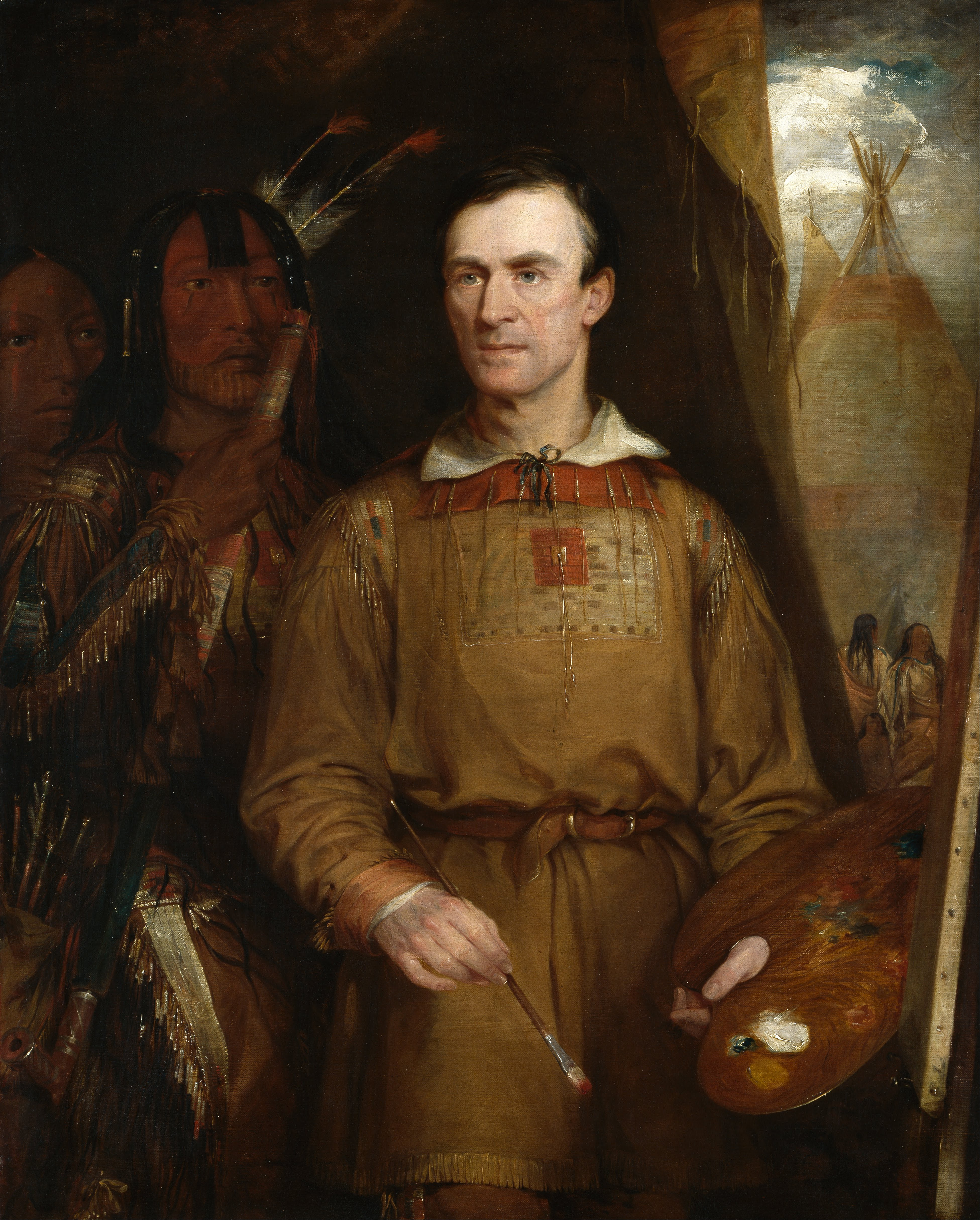 Wikipedia: George Catlin
George Catlin ( KAT-lin; July 26, 1796 – December 23, 1872) was an American lawyer, painter, author, and traveler, who specialized in portraits of Native Americans in the American frontier. Traveling to the American West five times during the 1830s, ...
Born in Wilkes-Barre, Pennsylvania, in 1796, Catlin’s early life was steeped in the narratives of frontier existence. Stories from his mother, a captive of Native Americans during the Wyoming Massacre, undoubtedly fueled a fascination with Indigenous cultures that would later define his career. Though initially trained as a lawyer, Catlin found himself drawn to art, studying portraiture in Philadelphia and developing a keen eye for detail. However, it was an encounter with a delegation of Native American chiefs visiting Philadelphia in 1823 that proved pivotal. This meeting sparked a profound desire to move beyond conventional portraiture and dedicate his life to portraying the people he’d glimpsed – individuals whose very existence seemed threatened by the relentless march of civilization. He abandoned law, embracing instead a path that would lead him into uncharted territories and immerse him in worlds vastly different from his own.
Five Journeys into the Plains: Capturing Indigenous Cultures
Catlin’s expeditions, beginning in 1830, were remarkable feats of endurance. He accompanied Governor William Clark up the Mississippi River, establishing St. Louis as a base for his explorations. Over the next six years, he ventured further and further west, traveling over 3,000 miles to Fort Union Trading Post on the Missouri River and beyond. He meticulously documented the Pawnee, Omaha, Ponca, Mandan, Hidatsa, Cheyenne, Crow, and Assiniboine – tribes whose names evoke a sense of both romance and tragedy. These weren’t fleeting visits; Catlin sought to understand their customs, participate in their ceremonies (as much as was permitted), and build relationships that allowed him access beyond superficial observation. He wasn't merely painting *of* people but attempting to capture something of their spirit, their worldview, and the essence of their daily lives. His journals are filled with detailed observations – descriptions of clothing, weaponry, rituals, social structures – a testament to his dedication as both artist and ethnographer.
Catlin’s Portraiture Style: Realism, Romanticism, and Ethnographic Detail
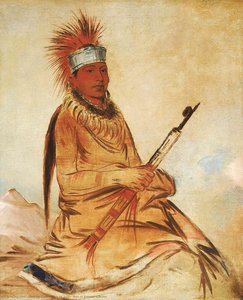
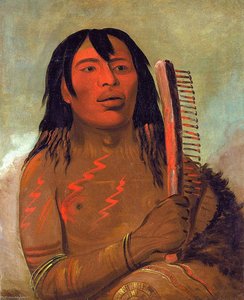 Tcha dés sa ko máh pee, Bear's Child
Explore George Catlin’s ‘Tcha dés sa ko máh pee,’ a captivating 1832 portrait of an Indigenous man in ethnographic style. Rich textures & symbolic details – a unique piece!
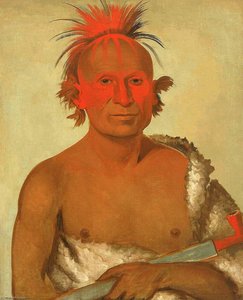
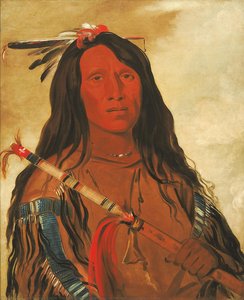
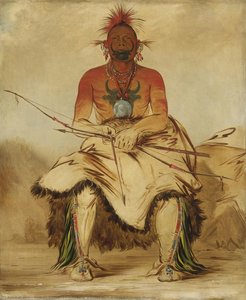
Catlin's artistic style is a fascinating blend of realism and romantic sensibility. While striving for accurate depictions of physical features and attire – evident in portraits like Steeh tcha kó me co (Ben Perryman), a Chief, where the subject’s regal bearing and intricate ornamentation are meticulously rendered – he also infused his work with a Romantic flair, emphasizing the dramatic landscapes and the inherent dignity of his subjects. Consider Wah pón jee a, The Swan, a Warrior; the powerful stance and intense gaze convey not just physical presence but a sense of inner strength and cultural pride. His portraits weren’t idealized; they captured individuals as they were, with all their complexities and nuances. He paid particular attention to details that revealed aspects of Indigenous life – body paint, hairstyles, ceremonial objects – transforming his canvases into valuable ethnographic records. Tcha dés sa ko máh pee (Bear's Child), for example, showcases the intricate textures of clothing and the symbolic significance of adornments, offering a glimpse into a world often overlooked by contemporary artists.
Beyond the Canvas: Artifacts, Lectures, and the Indian Gallery
Catlin’s ambition extended far beyond painting. He amassed an extensive collection of Indigenous artifacts – weapons, tools, clothing, ceremonial objects – believing they were essential to understanding the cultures he documented. Upon his return east in 1838, he assembled his “Indian Gallery,” a breathtaking exhibition that included over 500 paintings and hundreds of artifacts. He toured major American cities, delivering lectures alongside the display, captivating audiences with tales of life on the frontier. However, financial struggles plagued him. Despite repeated attempts to sell the collection to the U.S. government for preservation, his efforts were largely unsuccessful. He then took his Gallery abroad, exhibiting in London, Brussels, and Paris, where he received critical acclaim but continued to grapple with debt. His relentless pursuit of recognition and funding underscores the challenges faced by artists attempting to document and preserve cultures on the periphery of mainstream society.
Legacy & Critiques: Catlin's Enduring Impact on American Art History
George Catlin’s legacy is complex and multifaceted. He remains a pivotal figure in American art history, celebrated for his pioneering efforts to document Indigenous life during a period of rapid change. His paintings offer invaluable insights into the cultures he encountered, providing a visual record that continues to fascinate and inform scholars today. However, it's crucial to acknowledge the inherent limitations and biases present in his work. Catlin’s perspective was shaped by his own cultural background and prejudices, and his representations of Indigenous peoples were inevitably filtered through his Western lens. Modern scholarship recognizes the importance of critically examining his work, acknowledging both its artistic merit and its historical context. Despite these critiques, Catlin's enduring impact is undeniable; he left behind a remarkable body of work that continues to spark dialogue about cultural representation, preservation, and the complexities of American history. His paintings serve as a powerful reminder of a vanishing world – a testament to the resilience and dignity of Indigenous cultures facing an uncertain future.