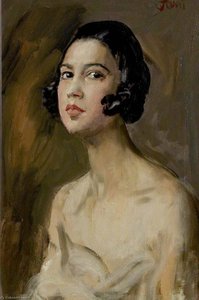
Early Life & Artistic Foundations: A Welsh Childhood and Parisian Training
 Wikipedia: Gwen John
Gwendolen "Gwen" Mary John (22 June 1876 – 18 September 1939) was a Welsh artist who worked in France for most of her career. Her paintings, mainly portraits of anonymous female sitters, are rendered in a range of closely related tones. Although in h...
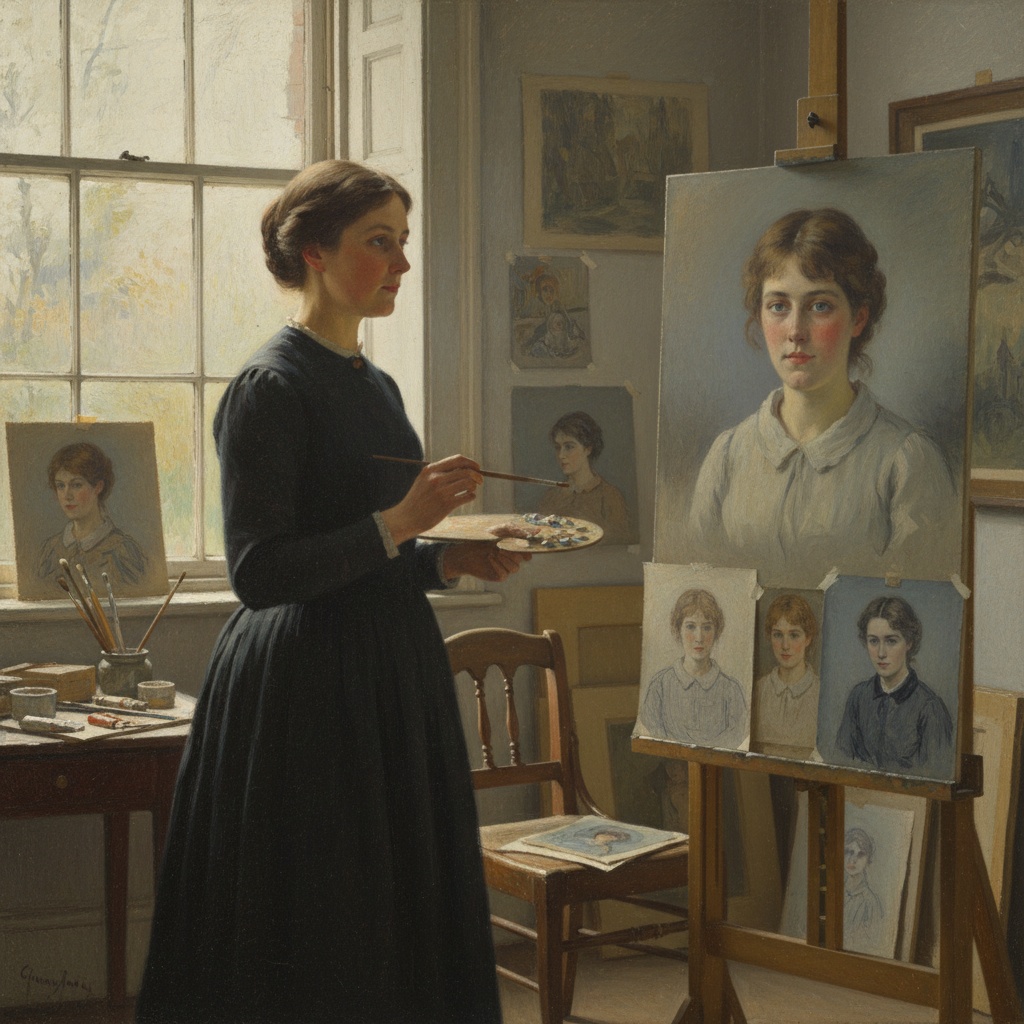
Gwendolen Mary John, known universally as Gwen John, occupies a unique position within the narrative of early 20th-century art—a quiet revolutionary whose work eschewed grand statements for an intensely personal vision. Born in Haverfordwest, Wales, in 1876, her formative years were steeped in a melancholic atmosphere shaped by familial loss and a reserved upbringing. The death of her mother when Gwen was just eight cast a long shadow, fostering a sensitivity that would permeate her art. While her brother, Augustus John, rapidly gained recognition for his flamboyant personality and dynamic portraits, Gwen’s path was one of deliberate introspection. Early sketches reveal a precocious talent, but it wasn't until she enrolled at the Slade School of Art in London in 1895 that her artistic trajectory truly began to take shape.
The Slade, though progressive for its time, offered a somewhat segregated experience for female students. However, it provided Gwen with crucial technical training and exposure to the Old Masters—a foundation she would later subtly dismantle. Her studies under Henry Tonks honed her draughtsmanship, but it was her subsequent move to Paris in 1898 that proved pivotal. There, she sought guidance from James McNeill Whistler, whose emphasis on tonal harmony and atmospheric effects resonated deeply with her developing aesthetic. Unlike the bustling Impressionist circles, Whistler’s academy fostered a more contemplative approach, encouraging students to prioritize nuance over spectacle.
The Intimist Style: Subtlety, Tone, and the Rejection of Convention
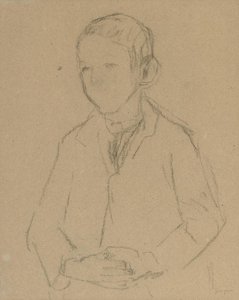 Study of a boy
Admire Gwen John’s ‘Study of a Boy,’ a poignant portrait reflecting her signature subtle tones & contemplative style. Hand-painted reproduction – capture timeless beauty.
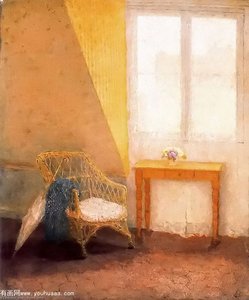
Gwen John's artistic signature lies in her mastery of *intimism*—a style characterized by its quietude, psychological depth, and focus on everyday subjects. Rejecting the bold brushstrokes and vibrant palettes of many contemporaries, she cultivated a restrained aesthetic built upon subtle gradations of tone and color. Her paintings are not about dramatic narratives or overt displays of emotion; rather, they invite viewers into intimate spaces, prompting contemplation and introspection. This deliberate eschewal of convention was radical for its time. While others sought to capture the fleeting moment, John focused on enduring states of being—the weight of solitude, the complexities of interior life.
Her palette is deliberately limited, often featuring muted browns, greys, and ochres that create a sense of atmospheric stillness. The surfaces of her canvases are not heavily worked; instead, she employed transparent glazes to build depth and luminosity. This technique lends her portraits an ethereal quality, as if the sitters exist in a dreamlike state. The effect is profoundly moving—a testament to John’s ability to convey profound emotion through understated means.
Rodin's Influence & John’s Independent Vision: Love, Obsession, and Artistic Identity
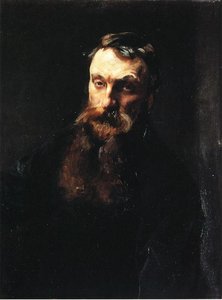
The most documented aspect of Gwen John’s life is her passionate and unconventional relationship with Auguste Rodin. Beginning in 1904, she served as his model, mistress, and confidante for a decade. The intensity of their connection—documented in over a thousand letters—is undeniable, yet profoundly asymmetrical. Rodin, twice her age and notoriously charismatic, was incapable of commitment, leaving John perpetually yearning for reciprocation. This unrequited love became a defining force in her life, shaping both her personal experiences and artistic output.
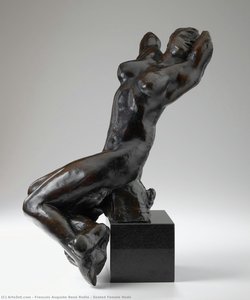
While Rodin’s influence is evident in the sculptural quality of some of her figures—particularly their weight and solidity—John never simply imitated his style. She resisted being defined solely as “Rodin’s mistress,” forging an independent path that prioritized psychological realism over anatomical precision. Her portraits, unlike Rodin's monumental sculptures, are deeply personal explorations of interiority, focusing on the emotional lives of her sitters rather than their physical form.
Portraits of Anonymous Women: Exploring Themes of Isolation, Interiority, and Modern Life
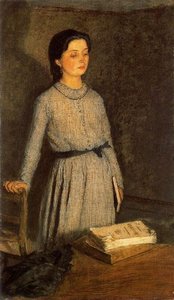 The Student
Admire Gwen John’s evocative portraits in this exquisite reproduction. Discover her signature muted tones & intimate style – a timeless piece of Welsh art.
Gwen John’s most iconic works are her portraits of anonymous women—often depicted in modest domestic settings, lost in thought or engaged in simple activities. These paintings are not about capturing likeness; they are about exploring the complexities of female identity in a rapidly changing world. Her sitters are rarely identified, allowing viewers to project their own experiences onto them. They represent a universal archetype of womanhood—isolated, introspective, and grappling with the challenges of modern life.
Study of a Boy, The Student, and her numerous self-portraits exemplify this approach. Each canvas is imbued with a sense of quiet dignity and psychological depth. The women are often shown holding cats—symbols of independence, mystery, and lost romance—further emphasizing their solitary existence. These paintings challenge conventional notions of femininity, rejecting idealized representations in favor of raw emotional honesty.
Rediscovering Gwen John: A Legacy Beyond Her Brother Augustus
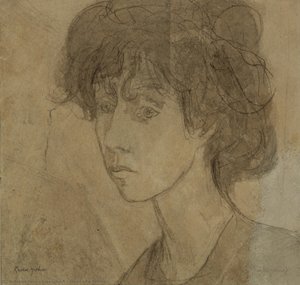
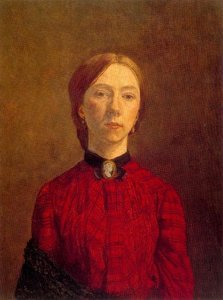 Self-portrait
Original Gwen John self-portrait. Intimate Welsh art, 1876-1939. A captivating glimpse into a renowned artist's world. Explore timeless beauty.
For much of the 20th century, Gwen John remained overshadowed by her more celebrated brother, Augustus. Her work was often dismissed as timid or derivative, failing to receive the critical attention it deserved. However, in recent decades, there has been a growing recognition of her unique artistic contributions. Scholars and collectors alike have begun to appreciate the subtlety and psychological depth of her paintings, recognizing her as a pioneer of intimism and a significant figure in early modern art.
Exhibitions dedicated to her work—such as the 1946 Memorial Exhibition at Matthiesen Gallery in London—have helped to raise awareness of her legacy. Today, Gwen John is celebrated for her independent vision, her mastery of tone and color, and her profound exploration of female identity. Her paintings offer a powerful counterpoint to the dominant narratives of modern art, reminding us that true beauty often lies in quietude and introspection.
Collecting Gwen John Today: Capturing Timeless Beauty for Your Home
Acquiring a work by Gwen John is not merely purchasing a painting; it’s investing in a piece of history—a glimpse into the soul of a remarkable artist. While original works are rare and highly sought after, ArtsDot offers exquisite handmade oil paintings that capture the essence of her style. Our skilled artists meticulously recreate her subtle tones, delicate brushstrokes, and atmospheric effects, ensuring an authentic representation of her vision.
Whether you’re drawn to the quiet dignity of her self-portraits or the intimate beauty of her portraits of anonymous women, a Gwen John reproduction will add a touch of timeless elegance to your home. Explore our collection today and discover the enduring power of this extraordinary Welsh artist. Visit /en/art/list/ to begin your journey into the world of Gwen John.