Early Life & Artistic Beginnings: From Philadelphia Illustration to Henri’s Circle
 Wikipedia: John Sloan
John French Sloan (August 2, 1871 – September 7, 1951) was an American painter and etcher. He is considered to be one of the founders of the Ashcan school of American art. He was also a member of the group known as The Eight. He is best known for hi...
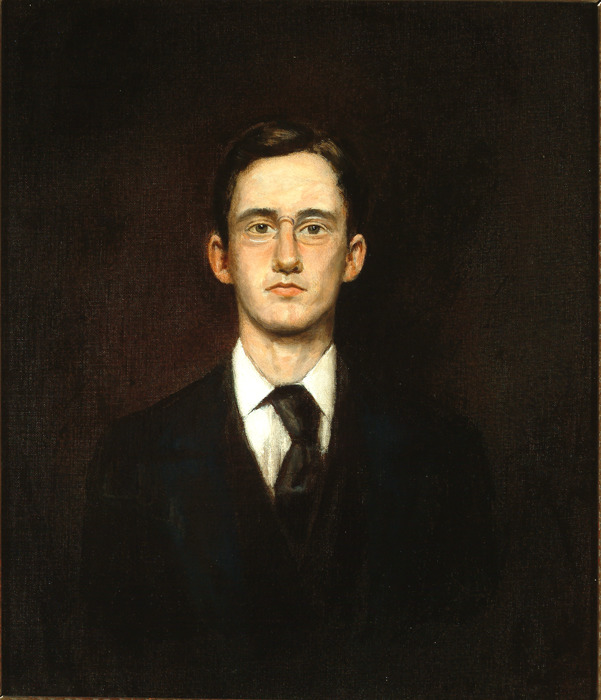
John French Sloan, born in Lock Haven, Pennsylvania, in 1871, embarked on a path that would indelibly mark the landscape of American art. His early life was steeped in practicality; necessity dictated his initial artistic pursuits. Rather than formal training from the outset, Sloan honed his skills as a commercial illustrator in Philadelphia, a demanding environment that instilled within him an acute observational ability and a remarkable facility for capturing detail – qualities that would become hallmarks of his mature style. He wasn’t immediately drawn to grand historical narratives or idealized landscapes; instead, he found himself immersed in the everyday rhythms of city life, sketching scenes from the streets and documenting the lives of ordinary people. This period was formative, but it was his encounter with Robert Henri in 1892 that truly set him on a new trajectory. Henri, a charismatic advocate for artistic independence and direct engagement with reality, became Sloan’s mentor and introduced him to a circle of like-minded artists who shared a dissatisfaction with the prevailing academic conventions.
Henri encouraged Sloan to move beyond mere representation and to seek out the emotional truth within his subjects. This mentorship proved pivotal, fostering a shift from technical proficiency towards a more expressive and socially conscious approach to art. The influence of Henri extended beyond technique; he instilled in Sloan a belief in the importance of portraying life as it *was*, not as it was idealized or romanticized. It was this shared vision that would ultimately lead to the formation of what became known as the Ashcan School.
The Ashcan School Emerges: Defining Realism in Early 20th-Century New York
 Wikipedia: Ashcan School
The Ashcan School, also called the Ash Can School, was an artistic movement in the United States during the late 19th-early 20th century that produced works portraying scenes of daily life in New York, often in the city's poorer neighborhoods. The ar...
By the turn of the century, a growing number of artists were rejecting the polished aesthetic favored by the established art world. They sought to depict the gritty realities of modern urban life – the bustling streets, crowded tenements, and working-class neighborhoods that often went unrepresented in traditional painting. This burgeoning movement found its epicenter in New York City, and Sloan was at its heart. The moniker “Ashcan School,” initially a derogatory label bestowed by critics, ironically captured the essence of their artistic ethos: an unflinching portrayal of the less glamorous aspects of city existence. The name alluded to the subject matter they favored – scenes often considered sordid or unpleasant, like refuse-strewn streets and dimly lit saloons.
However, within these seemingly mundane subjects lay a profound sense of humanity and authenticity. Artists associated with the Ashcan School—including George Luks, William Glackens, and Everett Shinn—shared a commitment to capturing the energy and vitality of urban life, often employing loose brushwork and dark palettes to convey the atmosphere of their chosen environments. They weren’t merely documenting poverty or hardship; they were celebrating the resilience and dignity of ordinary people, offering a counter-narrative to the idealized visions prevalent in mainstream art.
Sloan's Urban Scenes: A Chronicle of Neighborhood Life and Social Commentary
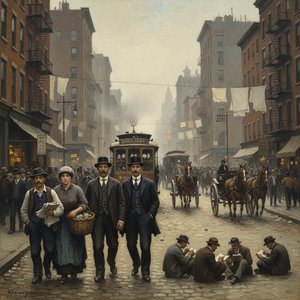
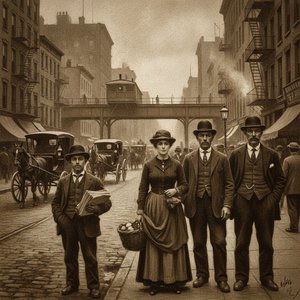
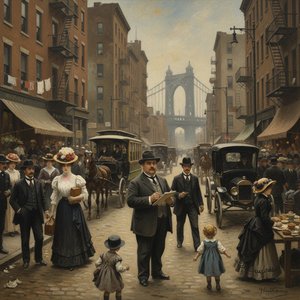
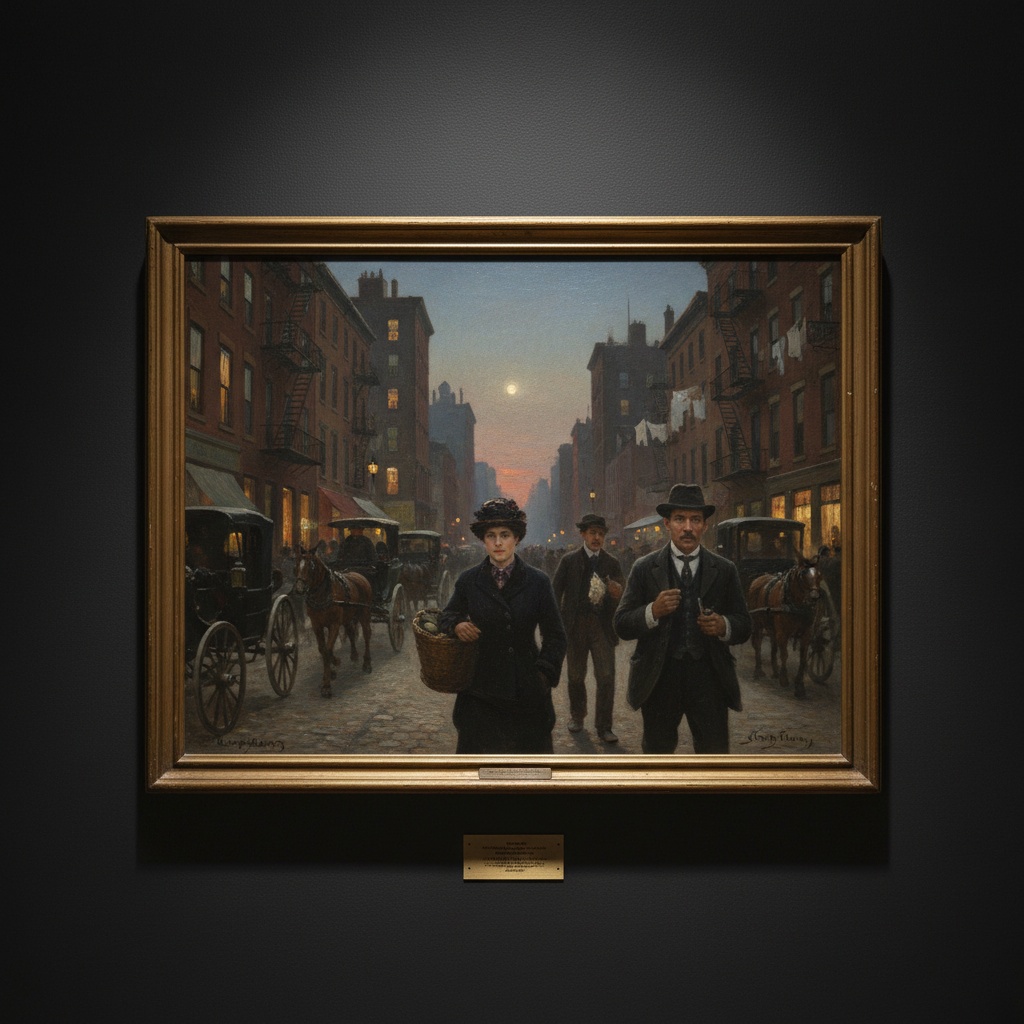
Sloan’s artistic focus centered on the vibrant tapestry of New York City neighborhoods. He wasn’t interested in grand monuments or picturesque vistas; his gaze was drawn to the intimate moments unfolding within the everyday lives of working-class communities. He often painted scenes observed from his studio window in Greenwich Village, transforming the streets below into a living canvas. His work became a chronicle of neighborhood life – children playing in backyards, women gossiping on stoops, and men gathering in local bars.
But Sloan’s paintings were more than just observational studies; they were imbued with a subtle yet powerful social commentary. He depicted the struggles and joys of ordinary people with empathy and respect, challenging viewers to confront the realities of urban poverty and inequality. His ability to capture the essence of neighborhood life – the sense of community, the shared experiences, and the quiet dignity of its inhabitants—resonated deeply with a growing audience who felt alienated by the prevailing artistic conventions.
Key Works & Style: Exploring 'McSorley's Bar,' 'Pigeons,' and Beyond
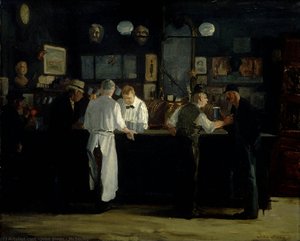
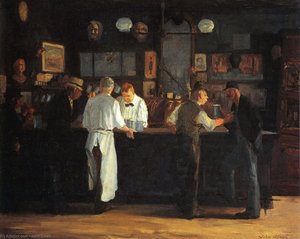 McSorley's Bar
Explore John Sloan’s ‘McSorley’s Bar,’ a vibrant 1912 oil painting capturing NYC's gritty realism & social life. An Ashcan School masterpiece – discover its style & historical significance!
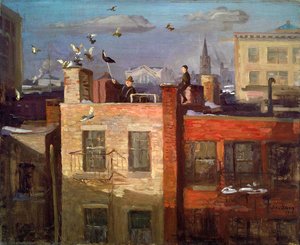
Several key works exemplify Sloan’s distinctive style and thematic concerns. ‘McSorley’s Bar’ (1912), perhaps his most iconic painting, offers a glimpse into the bustling interior of a working-class saloon, capturing the camaraderie and rough-hewn energy of its patrons. The composition is dynamic, with figures jostling for space and light filtering through the smoky atmosphere. ‘Pigeons’ (1912), another compelling example, depicts a group of men gathered on a rooftop, observing pigeons – a seemingly simple scene that speaks volumes about urban life and the search for moments of respite amidst the chaos.
Sloan's style is characterized by its loose brushwork, muted color palette, and emphasis on capturing movement and atmosphere. He often employed a flattened perspective and simplified forms, creating a sense of immediacy and intimacy. His paintings are not meticulously detailed; rather, they convey the *feeling* of a place or moment through expressive brushstrokes and carefully chosen compositions. His technique allowed him to capture fleeting impressions and evoke a strong emotional response in the viewer.
Socialist Ideals & Artistic Expression: The Intersection of Politics and Painting
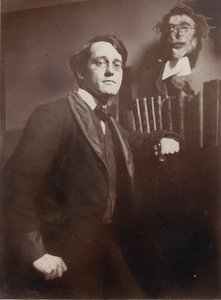 John French Sloan
Discover John French Sloan (1871-1951), a key figure of the Ashcan School & American Realism. Explore his evocative NYC scenes, urban life, and socialist influences. View art now!
Sloan’s artistic vision was deeply intertwined with his socialist beliefs. He believed that art should serve as a vehicle for social change, and he actively used his work to advocate for the rights of working-class people. He contributed illustrations to *The Masses*, a radical magazine that championed progressive causes, and his paintings often reflected his commitment to social justice.
However, Sloan resisted being labeled solely as a “socialist painter.” He believed that art should be judged on its aesthetic merits first and foremost, and he disassociated his work from any specific political agenda. Nevertheless, his socialist ideals undoubtedly informed his choice of subject matter and his empathetic portrayal of ordinary people. His paintings weren’t merely depictions of urban life; they were statements about the importance of human dignity and social equality.
Legacy and Influence: Sloan’s Enduring Impact on American Art
John French Sloan’s legacy extends far beyond his immediate circle of influence. He is widely regarded as a pivotal figure in the development of American Realism, paving the way for subsequent generations of artists who sought to depict the realities of modern life with honesty and empathy. His work challenged conventional notions of beauty and subject matter, opening up new possibilities for artistic expression.
Today, Sloan’s paintings are celebrated for their evocative power, technical skill, and social commentary. They offer a glimpse into a bygone era – a time of rapid industrialization, social upheaval, and artistic innovation. His ability to capture the soul of American urban life continues to resonate with audiences today, reminding us of the importance of bearing witness to the lives of ordinary people and celebrating the resilience of the human spirit. Explore the captivating world of John Sloan and discover his enduring impact on American art at ArtsDot.com, where masterpieces are brought to life with exceptional quality and care.