

Delaroche and the Rise of History Painting
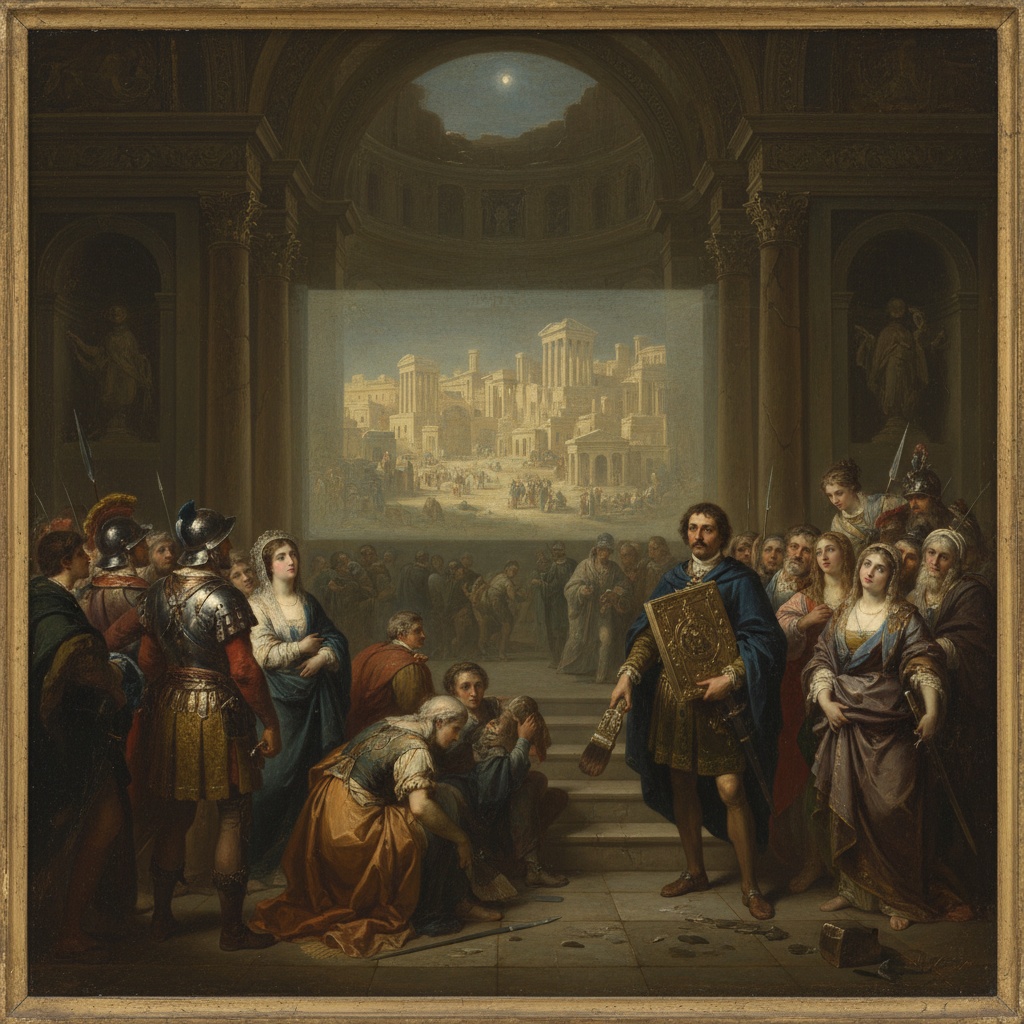
History paintings is a genre Western art that focuses on the depiction of historical, mythological, biblical, or literary subjects, often with a moral or didactic purpose. Considered the most prestigious genre in the academic art hierarchy during the...
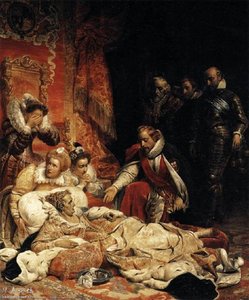
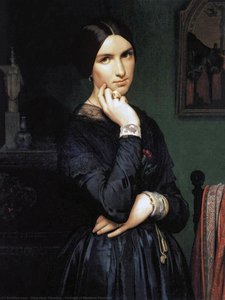
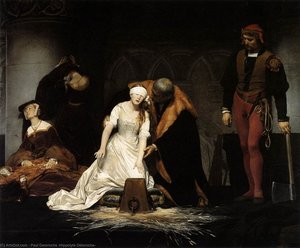
The early 19th century witnessed a fascinating tension within the art world – a pull between the passionate fervor of Romanticism and the established order of Neoclassical tradition. Emerging from this dynamic milieu was Hippolyte Delaroche, a French painter whose work would come to define a new era in history painting. Unlike many of his contemporaries who sought grand allegorical statements or contemporary political commentary, Delaroche found his power not in invention but in meticulous reconstruction. He wasn’t interested in *creating* history; he was obsessed with recreating it, bringing the past vividly – and often dramatically – to life on canvas. His father's profession as an art expert and his uncle’s role as curator of the Cabinet des Estampes instilled in him a deep respect for historical accuracy, a quality that would become the hallmark of his style. Delaroche wasn’t merely painting scenes *from* history; he was attempting to conjure the very atmosphere of bygone eras.
Romantic Realism: Bridging Idealism and Observation
Romantic realism is art that combines elements of both romanticism and realism. The terms "romanticism" and "realism" have been used in varied ways, and are sometimes seen as opposed to one another. == In literature and art == The term has long sta...
To categorize Delaroche neatly as either Romantic or Neoclassical feels inadequate. His art embodies a compelling synthesis – what we now understand as Romantic realism. The emotional intensity, the focus on individual experience, and the often melancholic tone are undeniably rooted in the Romantic sensibility. However, this passion wasn’t directed towards subjective expression or fantastical landscapes; it was channeled into an almost scientific pursuit of historical truth. Delaroche painstakingly researched costumes, architecture, and even the minutiae of daily life to ensure his paintings were as authentic as possible. This dedication extended beyond mere visual fidelity. He aimed to capture not just *what* happened but also *how* it felt – the weight of grief, the tension of political intrigue, the quiet dignity of sacrifice. He eschewed idealized forms in favor of a more grounded, human portrayal of historical figures, stripping away layers of myth and legend to reveal the individuals beneath.
The Princes in the Tower & The Children of King Edward: Case Studies in Dramatic Narrative
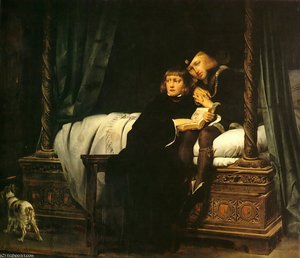 The Princes in the Tower
Explore Paul Delaroche’s ‘The Princes in the Tower,’ a poignant 1830 oil painting of royal tragedy. Romantic realism, rich detail & somber mood – a captivating historical scene.
Perhaps no works better exemplify Delaroche’s signature style than The Princes in the Tower (1830) and The Children of King Edward Imprisoned in the Tower. These paintings, both depicting tragic episodes from English royal history, are not simply historical depictions; they are emotionally charged narratives. In The Princes in the Tower, we see young Edward V and his brother Richard, Duke of York, confined within the stark walls of the Tower of London, their fate hanging precariously in the balance. The somber lighting, the palpable sense of isolation, and the subtle gestures of fear and uncertainty create a deeply affecting scene. Similarly, The Children of King Edward focuses on familial intimacy amidst impending doom. Delaroche’s masterful use of chiaroscuro – the dramatic contrast between light and shadow – heightens the emotional impact, drawing the viewer into the children's world of innocence threatened by political machinations. These paintings weren’t intended as celebratory depictions of royalty; they were meditations on loss, betrayal, and the fragility of power.
Accuracy, Detail, and the Illusion of Authenticity
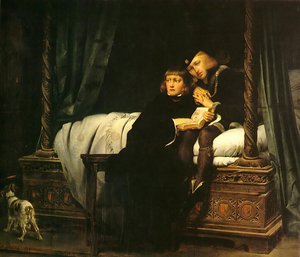 The children of King Edward imprisoned in the Tower
Delaroche’s "The Children of King Edward" is a dramatic oil painting showcasing familial intimacy & historical realism. Explore this Romantic masterpiece's chiaroscuro lighting & meticulous detail.
Delaroche’s commitment to accuracy wasn't merely aesthetic; it was integral to his artistic philosophy. He believed that by meticulously recreating the past, he could offer viewers a more profound understanding of history itself. This pursuit led him to consult historical documents, architectural plans, and even contemporary accounts to ensure every detail – from the texture of fabrics to the arrangement of furniture – was as accurate as possible. He famously created wax models of his compositions before beginning to paint, allowing him to carefully study the spatial relationships and lighting effects. This painstaking process resulted in paintings that possessed an almost photographic realism, creating a powerful illusion of authenticity. However, it’s important to note that Delaroche wasn't simply striving for objective truth. He often took liberties with historical details to enhance the dramatic impact of his scenes, prioritizing emotional resonance over strict factual accuracy. His goal was not to be a historian but to be a storyteller, using history as a canvas for exploring universal human themes.
Delaroche’s Legacy: Influence on Academic Art and Beyond
Hippolyte Delaroche quickly rose to prominence within the French art establishment, becoming a professor at the École Nationale Supérieure des Beaux-Arts in 1832. His success was not merely personal; it reflected a broader shift in artistic tastes. History painting, once dominated by grand allegorical statements, began to embrace a more nuanced and realistic approach. Delaroche’s influence can be seen in the work of numerous artists who followed him, including Thomas Couture, Jean-Léon Gérôme, and even Gustave Courbet, despite their differing stylistic approaches. While later Realist painters rejected Delaroche's melodramatic tendencies, they shared his commitment to depicting contemporary life with unflinching honesty. His emphasis on meticulous detail and dramatic narrative also paved the way for the development of academic art, which prioritized technical skill and historical accuracy above all else.
Collecting Delaroche Today: A Timeless Appeal
Despite falling out of favor during periods dominated by Impressionism and Modernism, Hippolyte Delaroche’s work has experienced a resurgence in recent years. Collectors are increasingly drawn to his paintings for their masterful technique, dramatic narratives, and historical significance. His works offer a unique window into the 19th-century fascination with the past, capturing not just *what* happened but also the emotional weight of history itself. ArtsDot offers high-quality reproductions of Delaroche’s most iconic paintings, allowing art enthusiasts to experience the power and beauty of his work firsthand. Whether you are a seasoned collector or simply appreciate fine art, Delaroche's paintings offer a timeless appeal – a captivating glimpse into a vanished world brought vividly to life through the skill and artistry of a true master.