The Dawn of a New Vision: Context & Characteristics
 Groeningemuseum
Explore Flemish art history at Groeningemuseum, Bruges! Admire masterpieces by Jan van Eyck & Magritte amidst stunning architecture – discover Belgian artistic heritage.
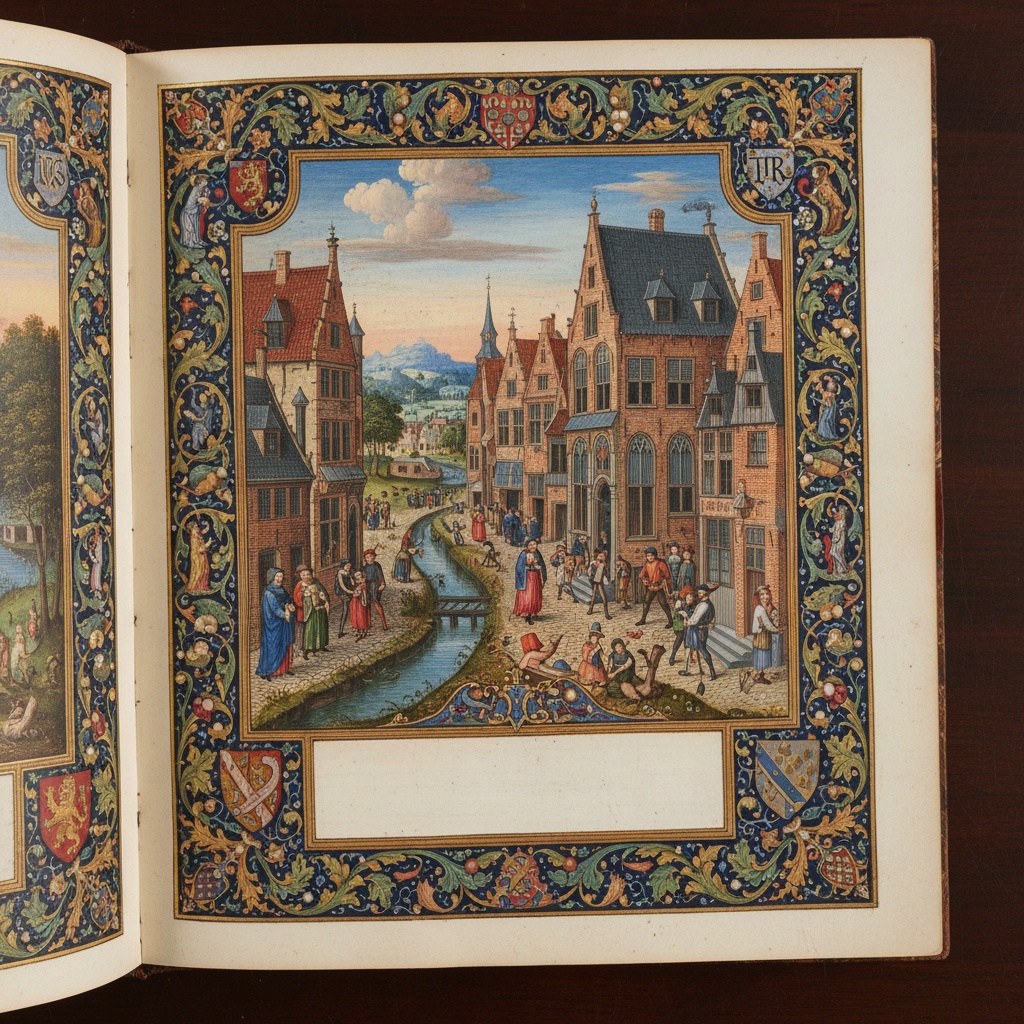
The 15th and 16th centuries witnessed a remarkable flowering of artistic talent in the Burgundian and Habsburg Netherlands, an era now celebrated as the period of the Early Netherlandish painters – often referred to as the Flemish Primitives. This wasn’t merely a regional style; it was a seismic shift in how artists perceived and represented the world. Emerging from the late Gothic tradition, these masters—active primarily in thriving urban centers like Bruges, Ghent, and Brussels—developed an unprecedented level of realism, meticulous detail, and symbolic depth that would profoundly influence the course of Western art. Unlike their Italian contemporaries who were increasingly focused on classical ideals and perspective, Netherlandish artists prioritized capturing the tangible world with astonishing accuracy, imbuing even religious scenes with a sense of immediacy and human presence.
The patronage system played a crucial role in shaping this artistic revolution. Wealthy merchants, members of the burgeoning bourgeoisie, and aristocratic courts commissioned works not simply as devotional objects but also as displays of their status and piety. This demand fueled an emphasis on intricate detail, luxurious materials – particularly oil paint which allowed for unparalleled luminosity and texture – and increasingly complex narratives. The climate was one of innovation; artists experimented with new techniques, explored the possibilities of light and shadow, and developed a sophisticated understanding of human anatomy and expression. The resulting paintings weren’t just beautiful objects but windows into a world meticulously observed and richly imbued with meaning.
Jan van Eyck: Master of Detail and Innovation
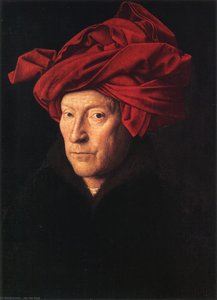 A Man in a Turban
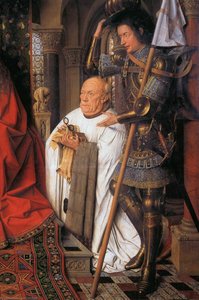
No discussion of Early Netherlandish painting is complete without acknowledging the towering figure of Jan van Eyck (c. 1390-1441). While shrouded in some historical mystery, Van Eyck’s impact is undeniable. His “A Man in a Turban” (1433) exemplifies his groundbreaking approach to portraiture and oil painting technique. The work isn't simply a likeness; it’s an intensely personal encounter with the sitter, rendered with such precision that every strand of hair, every wrinkle, seems palpably real. Van Eyck didn’t just paint *on* wood panels; he built up layers of translucent glazes, creating a depth and luminosity previously unseen in painting.
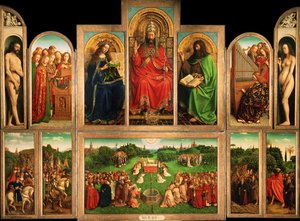
His mastery extended beyond portraiture. The Ghent Altarpiece (1432), a monumental polyptych commissioned for Saint Bavo Cathedral, is a testament to his narrative skill and symbolic complexity. The altarpiece isn’t merely a collection of religious figures; it's a theological treatise rendered in paint, filled with hidden meanings and allegorical references. Van Eyck’s use of perspective, though not mathematically precise by later standards, creates a convincing sense of space and depth, drawing the viewer into the scene. He also pioneered techniques like atmospheric perspective, subtly blurring distant elements to create an illusion of recession.
Hans Memling: Religious Devotion and Flemish Refinement
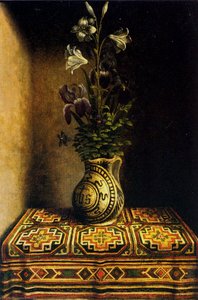 marian flowerpiece
Explore Hans Memling’s ‘Marian Flowerpiece,’ a stunning oil painting of vibrant flowers & rich textures in a traditional Flemish style. Admire its dramatic lighting & detailed composition.
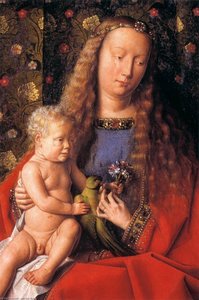
Following in Van Eyck’s footsteps, Hans Memling (c. 1430-1494) established himself as one of the leading painters in Bruges. While sharing van Eyck's meticulous attention to detail, Memling cultivated a distinctly lyrical and devotional style. His works often feature serene Madonnas, elegant portraits, and scenes imbued with a quiet spirituality. “Marian Flowerpiece” (c. 1480-90) is a stunning example of his ability to combine naturalistic observation with symbolic meaning. The vibrant flowers, each carefully rendered, are not merely decorative elements but carry specific religious connotations.
Memling’s “Bathsheba” (c. 1482) is particularly noteworthy for its intimate portrayal of the biblical scene. Unlike earlier depictions that often emphasized Bathsheba's vulnerability, Memling presents her with a sense of dignity and composure. The painting’s rich textures, subtle lighting, and psychological depth reveal his mastery of oil paint and his profound understanding of human emotion. He frequently depicted scenes set in Italianate settings, reflecting the growing cultural exchange between Flanders and Italy.
Beyond Bruges: Dieric Bouts the Younger and Regional Styles
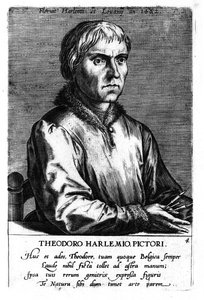 Dieric Bouts the Younger
Discover Dieric Bouts the Younger (1415-1475), an Early Netherlandish painter influenced by Van Eyck & Weyden. Known for innovative perspective in 'The Last Supper,' expressive figures, and rich color.
While Bruges was undoubtedly a center of artistic innovation, other cities also played a vital role in the development of Early Netherlandish painting. Dieric Bouts the Younger (c. 1415-1475) exemplifies this regional diversity. Influenced by both Van Eyck and Rogier van der Weyden, Bouts developed a distinctive style characterized by innovative perspective and expressive figures. His “The Last Supper” is particularly celebrated for its dramatic composition and realistic depiction of the apostles’ reactions to Christ’s announcement.
Bouts' use of perspective, while not adhering to strict mathematical rules, creates a convincing sense of depth and spatial recession. He also paid close attention to the psychological states of his figures, imbuing them with a sense of individuality and emotional intensity. The work demonstrates a growing interest in narrative clarity and emotional realism, characteristics that would become increasingly prominent in later Netherlandish painting.
Iconography, Symbolism, and Hidden Meanings in Early Netherlandish Art
Early Netherlandish paintings are rarely what they seem at first glance. Beneath the surface of realistic detail lies a complex web of symbolism and hidden meanings. Artists meticulously incorporated objects, animals, and gestures that carried specific religious or moral connotations. A single flower, a piece of fruit, or even the color of a garment could convey layers of meaning to contemporary viewers.
For example, lilies often symbolized purity and virginity, while apples represented temptation and sin. The presence of a dog in a portrait might signify fidelity, while a fly could symbolize transience and decay. Understanding this iconography is crucial for fully appreciating the depth and complexity of these works. Artists drew upon a rich tradition of medieval symbolism, but they also infused their paintings with personal interpretations and contemporary references.
The Legacy of the Flemish Primitives & Their Enduring Influence
The impact of the Early Netherlandish painters extended far beyond the borders of the Netherlands. Their innovations in oil painting technique, meticulous realism, and symbolic complexity profoundly influenced artists throughout Europe. Artists like Albrecht Dürer traveled to the Netherlands to study their techniques, and their influence can be seen in the works of countless other masters.
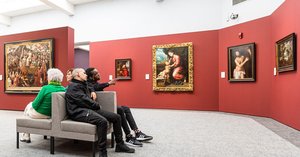
Today, the paintings of Jan van Eyck, Hans Memling, and Dieric Bouts continue to captivate audiences with their beauty, detail, and emotional depth. Museums like the Groeninge Museum in Bruges offer unparalleled opportunities to experience these masterpieces firsthand. Through ArtsDot.com, you can bring the timeless beauty of Early Netherlandish art into your own home, experiencing the legacy of these Flemish Primitives for generations to come.