The Luminous Revolution: The Advent of Oil Painting in the North
To understand the profound shift that occurred during the fifteenth century, one must first contemplate the transformative power of light itself. Before the dawn of the Early Netherlandish movement, much of European painting relied upon the tempera medium—a technique involving pigments mixed with egg yolk, which, while durable, offered a relatively matte and opaque finish. The true revolution, however, arrived with the refinement and mastery of oil painting. This period witnessed a breathtaking evolution in how artists approached the canvas, moving away from flat surfaces toward a world of unprecedented depth and luminosity.
The introduction of linseed and walnut oils as drying agents allowed masters to manipulate paint with a newfound fluidity. Unlike the rapid-drying tempera, oil permitted a slower working pace, enabling artists to blend colors directly on the surface and create seamless transitions between light and shadow. This technical breakthrough facilitated the development of glazing—the application of multiple, translucent layers of pigment. As light passed through these thin veils of color, it reflected off the white ground beneath, creating an inner glow that seemed to emanate from within the painting itself. It was this "luminous revolution" that allowed the Northern masters to capture the very essence of radiance, forever altering the trajectory of Western art.
As these techniques matured, the ability to depict the physical world reached a level of sophistication that felt almost supernatural. The mastery of oil did not merely change how paint was applied; it changed what could be seen. Artists were no longer just recording figures; they were capturing the way light dances upon silk, the way moisture clings to a petal, and the way shadows deepen in the recesses of a stone cathedral.
Microscopic Realism: Capturing Texture, Light, and Sacred Symbolism
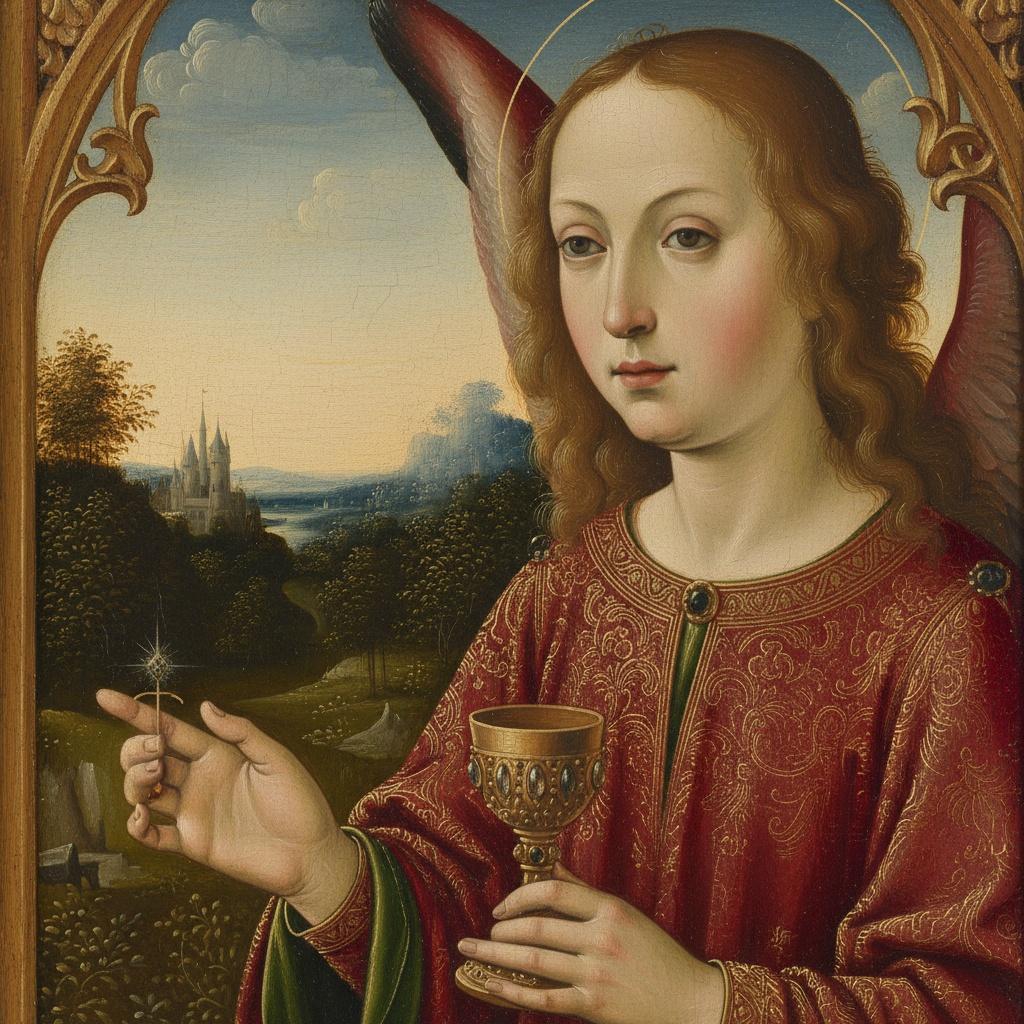
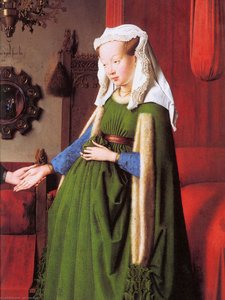
The hallmark of the Early Netherlandish style is an almost obsessive devotion to detail, a quality often described as microscopic realism. To the trained eye, a single masterpiece from this era functions like a magnifying glass, revealing a universe of textures that exist within a single frame. There is a profound tactile quality to these works; one can almost feel the heavy weight of brocade, the cold smoothness of polished marble, and the delicate softness of ermine fur. This was not merely an exercise in virtuosity, but a deliberate attempt to honor the complexity of God's creation through meticulous observation.
This precision extended far beyond the physical surface. In the hands of these masters, every object carried a weight of meaning, weaving a complex tapestry of sacred symbolism into the fabric of everyday scenes. A simple carafe of water might represent purity; a single extinguished candle could signify the presence of the divine; even the placement of a piece of fruit could whisper of mortality and the passage of time. This "disguised symbolism" required the viewer to look closer, transforming the act of viewing into an act of meditation and theological inquiry.
The interplay between light and texture served to reinforce these spiritual messages. By using light to highlight specific symbolic elements—such as the glint of a jewel or the reflection in a mirror—the artists directed the viewer's gaze toward the profound truths hidden within the mundane. This marriage of extreme technical precision and deep spiritual resonance created an immersive experience, where the boundaries between the material world and the divine realm became beautifully blurred.
Masters of the Flemish Primitives: From Jan van Eyck to Hans Memling
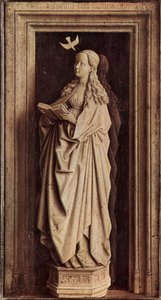
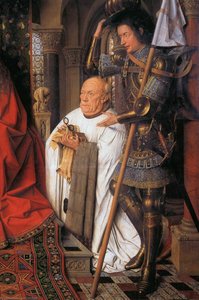
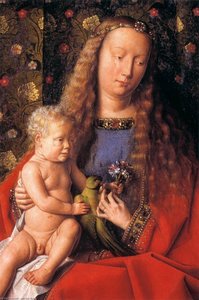
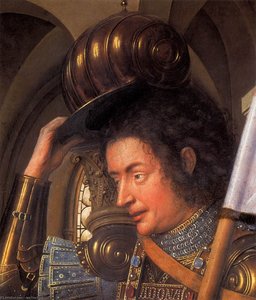
The history of this movement is written in the brushstrokes of its most celebrated figures, often collectively known as the Flemish Primitives. At the pinnacle of this pantheon stands Jan van Eyck, a figure whose name is synonymous with the perfection of the oil medium. His works, such as the legendary Madonna with Canon van der Empt, demonstrate an unparalleled ability to render complex textures and atmospheric depth. Van Eyck’s mastery of light allowed him to create spaces that felt both physically tangible and spiritually transcendent, setting a standard of excellence that would haunt the imaginations of artists for centuries.
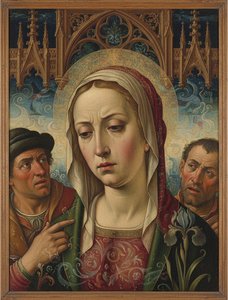
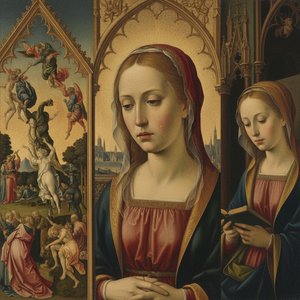
Following in this tradition of brilliance were artists like Hans Memling, who brought a sense of serene grace and poignant emotion to the movement. While Van Eyck focused on the staggering complexity of the visible world, Memling’s work often possesses a more lyrical, tranquil quality. His St John and Veronica Diptych serves as a testament to his ability to convey profound human grief and spiritual devotion through luminous detail and balanced composition. The works of Memling demonstrate how the technical foundations laid by his predecessors could be used to explore the softer, more emotive aspects of the human condition.
Other figures, such as Hans Tirol, further expanded the reach of this Flemish influence into the broader European landscape, bringing these sophisticated techniques to German territories. These artists were not merely painters; they were architects of vision, each contributing a unique layer to the collective legacy of the North. Through their shared commitment to precision and their revolutionary use of oil, they established a visual language that remains one of the most captivating chapters in the history of human creativity.
The Narrative of Detail: Iconography and Hidden Meanings in Netherlandish Works
To engage with Early Netherlandish art is to participate in a sophisticated intellectual game. The paintings are not merely portraits or landscapes; they are complex narratives encoded with layers of iconography. Every element within the composition—from the flora in a garden to the architecture of a background room—functions as a character in a larger theological story. This required a highly literate audience, capable of decoding the subtle visual cues that transformed a domestic interior into a sacred stage.
Consider the way an artist might use a mirror or a window to expand the narrative space. A reflection in a convex mirror can reveal a hidden witness to a scene, while a view through a window might present a landscape that serves as an allegory for the soul's journey. This layering of meaning ensures that no two viewings of a masterpiece are ever truly identical. The more one understands the cultural and religious context of the fifteenth century, the more the painting begins to speak, revealing secrets that were intended for the observant eye.
This narrative depth is what gives these works their enduring power. They do not merely present a static image; they invite an ongoing dialogue between the viewer and the canvas. The meticulous detail serves as a gateway, leading the observer from the surface level of aesthetic beauty into the profound depths of symbolic interpretation, making each painting a living testament to the complexity of faith and the richness of the human intellect.
Legacy of the North: How Early Netherlandish Art Shaped Western Art History
The impact of the Early Netherlandish movement cannot be overstated; it was the catalyst for a fundamental shift in the DNA of Western painting. By proving that oil could achieve a level of realism and emotional depth previously thought impossible, these masters paved the way for the High Renaissance in Italy and the subsequent centuries of European art. The emphasis on light, texture, and atmospheric perspective became the foundational pillars upon which much of the classical tradition was built.
The movement's legacy is visible in the works of everyone from Leonardo da Vinci to the later Dutch Masters like Rembrandt. The concept of using light to define form and create mood, a technique perfected in the North, became a universal tool for artists seeking to capture the essence of reality. Furthermore, the tradition of profound symbolism and the integration of the sacred into the everyday continued to influence the way art was used to communicate complex philosophical and religious ideas.
Today, we continue to find inspiration in this era of unparalleled craftsmanship. The devotion to detail and the reverence for the natural world found in these Flemish masterpieces serve as a reminder of the transformative potential of art. As we look back upon the luminous legacy of the Northern masters, we are not just observing history; we are witnessing the very moment when painting learned to breathe, to glow, and to truly capture the soul of the world.
At ArtsDot.com, we hold a profound reverence for this era of artistic mastery. Our mission is to preserve the spirit of these Old Masters by offering exquisite, hand-painted reproductions that honor their meticulous techniques and luminous depth. Whether you are seeking a museum-quality oil painting or a high-fidelity Giclée print, our artists utilize the same dedication to detail that defined the Flemish Primitives, ensuring that the brilliance of the Northern Renaissance can find a permanent, breathtaking place in your own collection.