The Rococo Spirit: Aristocratic Indulgence & Artistic Playfulness
Rococo, less commonly Roccoco ( rə-KOH-koh, US also ROH-kə-KOH; French: [ʁɔkɔko] or [ʁokoko] ), also known as Late Baroque, is an exceptionally ornamental and dramatic style of architecture, art, and decoration which combines asymmetry, scrolling cu...
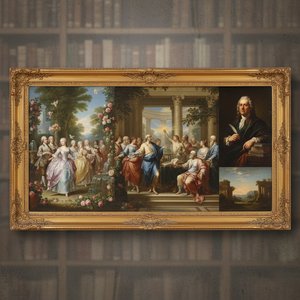
The early 18th century witnessed a fascinating shift away from the grandeur of the Baroque, giving rise to the Rococo style – a movement born not in royal courts but within the intimate salons of the French aristocracy. Less concerned with overt displays of power and more focused on refined pleasure, Rococo embraced asymmetry, delicate curves, and a pastel palette that evoked lightness and grace. This wasn’t merely an aesthetic choice; it was a reflection of a society increasingly preoccupied with personal enjoyment and sophisticated leisure. Artists like Jean-Antoine Watteau captured this spirit perfectly in paintings such as Pilgrimage to Cythera, depicting idyllic scenes of courtship and playful dalliance. The brushwork is loose, almost feathery, creating an atmosphere of dreamlike romance. Rococo interiors were equally captivating – gilded stucco work adorned walls, mirroring the elaborate ornamentation found in furniture and silverwork. The style, originally known as “style rocaille,” derived its name from the shell-like motifs that proliferated throughout these spaces, symbolizing both natural beauty and a deliberate rejection of formal rigidity.
Philosophical Foundations: Reason, Empiricism, and the Rise of Enlightenment Ideals
The Age of Enlightenment (also the Age of Reason) was a period in the history of Europe and Western civilization during which the Enlightenment, an intellectual and cultural movement, flourished, emerging in the late 17th century in Western Europe an...
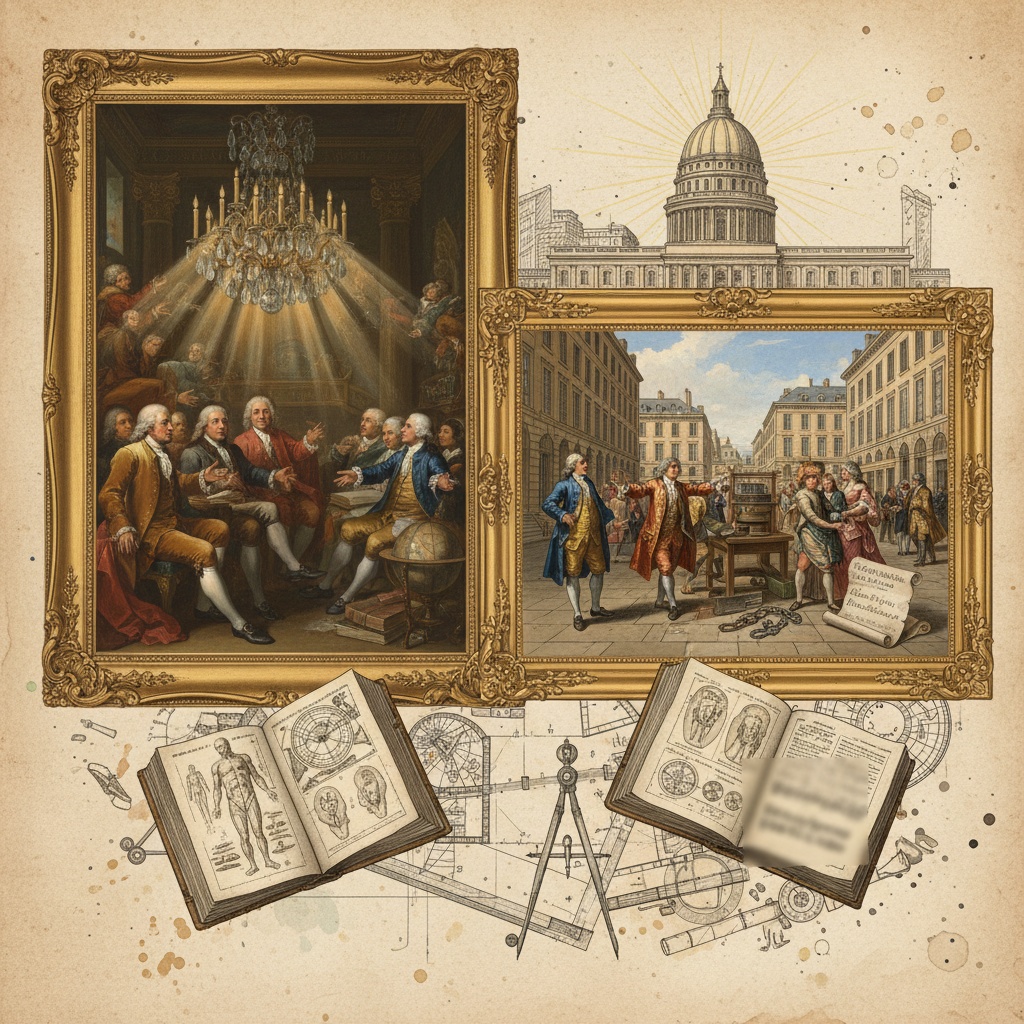
To understand Rococo fully, one must consider the intellectual climate in which it flourished. The Age of Enlightenment, with its emphasis on reason, empirical evidence, and individual liberty, was gaining momentum across Europe. Thinkers like Voltaire and Rousseau challenged traditional authority, advocating for constitutional government and religious tolerance. While seemingly at odds with the frivolous nature of Rococo, a subtle connection existed. The aristocracy, while indulging in artistic pleasures, also participated in philosophical discussions within their salons – spaces that became hubs of intellectual exchange. This period saw a growing belief in human progress and the power of knowledge, influencing not only political thought but also artistic subject matter. The focus shifted towards morality tales and depictions of virtuous behavior, subtly foreshadowing the changes to come.
Neoclassicism Emerges: A Return to Classical Virtue and Form
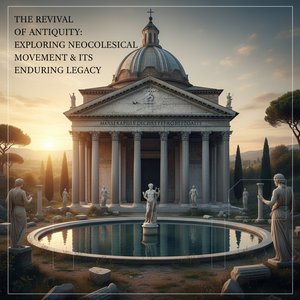
Neoclassicism, also spelled Neo-classicism, emerged as a Western cultural movement in the decorative and visual arts, literature, theatre, music, and architecture that drew inspiration from the art and culture of classical antiquity. Neoclassicism wa...
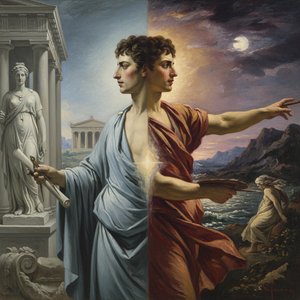
By the mid-18th century, a reaction against Rococo’s perceived excesses began to take shape. Neoclassicism, as it became known, looked back to the art and culture of classical antiquity – Greece and Rome – for inspiration. This wasn't simply a stylistic revival; it was a deliberate attempt to embody the ideals of order, reason, and civic virtue that were central to Enlightenment thought. The rediscovery of Pompeii and Herculaneum in 1738 provided a wealth of new archaeological material, fueling this fascination with the classical world. Artists began to study ancient sculptures and architecture meticulously, striving for simplicity, symmetry, and clarity in their own work. The emphasis shifted from ornate decoration to balanced compositions and idealized forms. Figures were often depicted as noble heroes or virtuous citizens, reflecting a renewed interest in moral storytelling.
David and the Revolutionary Brush: Art as a Vehicle for Political Change
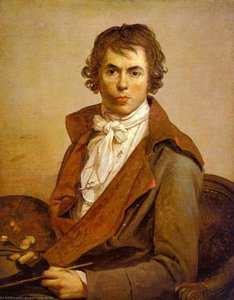
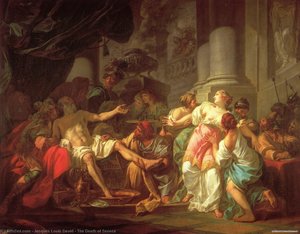
Jacques Louis David invented a style reflecting Enlightenment ideas by looking back to ancient art. He became a revolutionary and 1st painter to Napoleon.
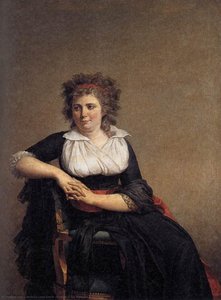
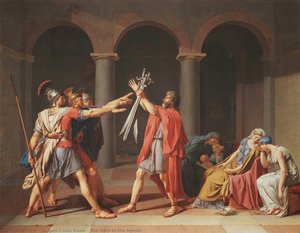
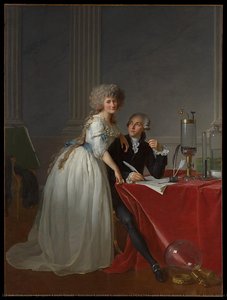
Jacques-Louis David stands as the quintessential figure of Neoclassicism, but his work transcends mere stylistic imitation. He actively employed art as a powerful tool for political change, aligning himself with the revolutionary fervor sweeping France in the late 18th century. David’s paintings, such as The Oath of the Horatii and Death of Marat, are not simply historical depictions; they are carefully constructed statements about duty, sacrifice, and republican ideals. He deliberately drew inspiration from ancient Roman art, using its formal language to convey a sense of gravitas and moral authority. His appointment as the first painter to Napoleon further solidified his role as an official artist of the new regime, creating iconic images that legitimized Napoleon’s power and celebrated his military victories. David's influence extended beyond painting; he actively shaped artistic education and promoted Neoclassical principles throughout France.
Salon Culture & Female Patronage: Shaping Artistic Taste in 18th-Century Europe
Femmes savantes, or learned women, played a crucial role in shaping the artistic landscape of the 18th century. The salons they hosted became vital centers for intellectual and artistic exchange, providing artists with opportunities to showcase their work and connect with potential patrons. These women weren’t merely passive consumers of art; they actively influenced taste, commissioned works, and engaged in critical discussions about aesthetics and philosophy. In the Rococo period, figures like Madame de Pompadour wielded considerable power as royal mistresses and influential arbiters of style. Later, salonnières championed Neoclassical ideals, supporting artists who embraced classical forms and moral themes. Angelica Kauffman, a successful painter in her own right, benefited from this patronage network, achieving international recognition for her portraits and historical paintings. Her work, Cornelia Presenting Her Children as Her Treasures, exemplifies the Enlightenment’s embrace of virtue and maternal devotion.
From Rococo to Revolution: Tracing the Shifting Landscape of 18th-Century Art
The transition from Rococo to Neoclassicism wasn't a sudden rupture but rather a gradual evolution reflecting broader societal changes. The lighthearted elegance of Rococo, while beautiful and refined, ultimately proved insufficient in addressing the growing political and social unrest of the late 18th century. Neoclassicism, with its emphasis on civic virtue and moral storytelling, offered a more compelling vision for a new era. However, it’s important to remember that these styles weren't mutually exclusive; elements of Rococo continued to influence Neoclassical art, particularly in the decorative arts. The legacy of 18th-century art lies not only in its aesthetic achievements but also in its ability to reflect and shape the intellectual and political currents of a transformative period. At ArtsDot.com, we offer meticulously crafted reproductions that allow you to experience the beauty and historical significance of these masterpieces firsthand.