The Nabis Roots: Vuillard’s Early Influences & Artistic Circle
Jean-Édouard Vuillard (French: [ʒɑ̃ edwaʁ vɥijaʁ]; 11 November 1868 – 21 June 1940) was a French painter, decorative artist, and printmaker. From 1891 through 1900, Vuillard was a member of the avant garde artistic group Les Nabis, creating paintings...
Jean-Édouard Vuillard, a name synonymous with intimate domesticity and subtle chromatic harmonies, didn't emerge from a vacuum. His artistic journey began within the vibrant, often clandestine circles of *Les Nabis*, a group of young Parisian painters who sought to revolutionize art in the 1890s. Rejecting the naturalism of Impressionism, they embraced symbolism, Japanese woodblock prints, and a deliberate flattening of perspective – influences that would profoundly shape Vuillard’s distinctive style. Born in 1868, Vuillard initially pursued academic training, dutifully sketching classical sculptures and attempting to master traditional techniques. However, his true awakening came with the encounter of Paul Sérusier's “The Talisman” (1890), a painting that served as a manifesto for the Nabis’ commitment to pure color and subjective experience. This wasn’t about replicating reality; it was about evoking emotion through carefully orchestrated arrangements of hue and form. Vuillard, alongside Maurice Denis, Pierre Bonnard, and others, became dedicated to exploring this new visual language, meeting in secret studios and cafes, often adopting coded nicknames – Vuillard himself was known as the “Zouave.” This sense of shared purpose and experimentation fostered a unique artistic environment where Vuillard could freely develop his own voice.
Intimism Defined: A World Seen Through Domestic Spaces
Intimism may refer to: Intimism (album), 2023 album by Nicky Wire Intimism (art movement), an artistic movement in the late 19th century and early 20th century Intimism (poetic movement), a poetic movement that emerged in Slovenia after the end of W...
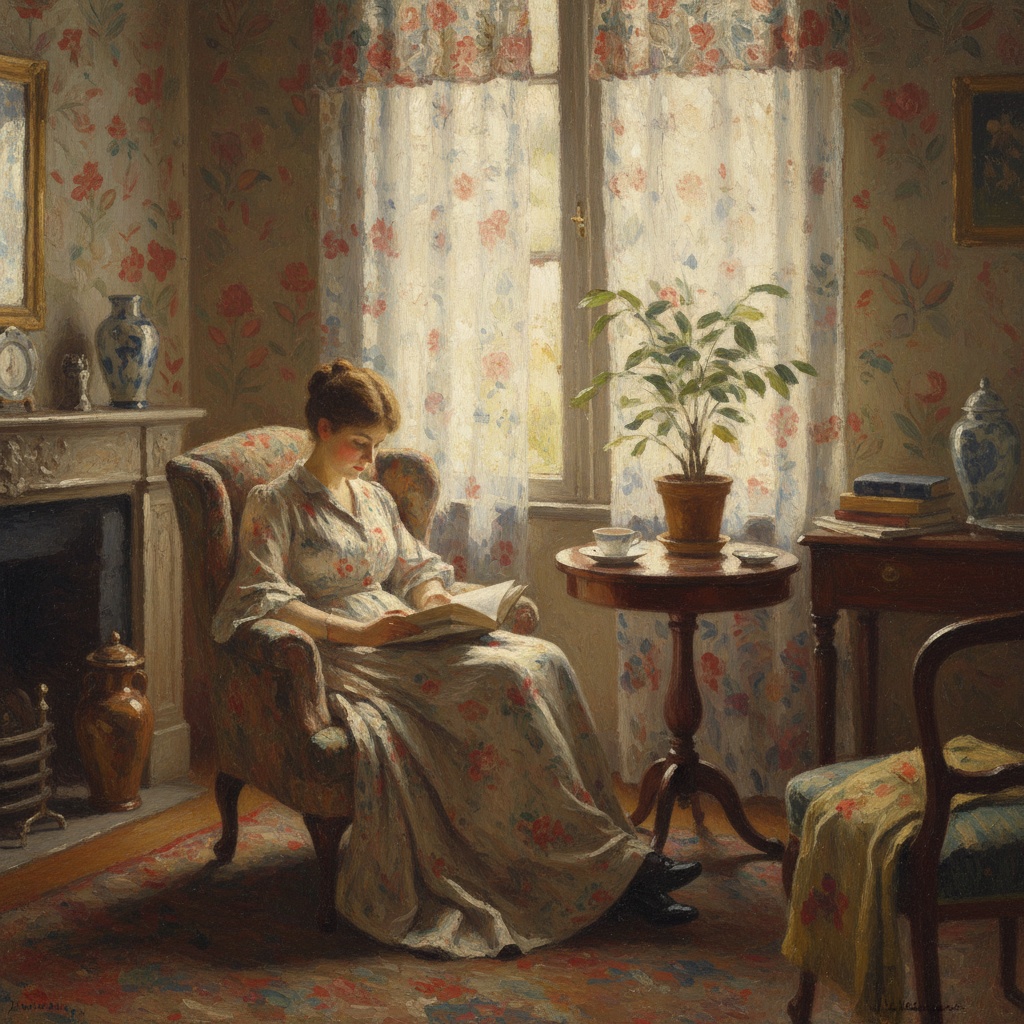
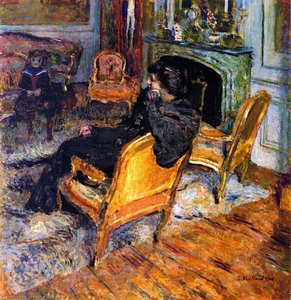
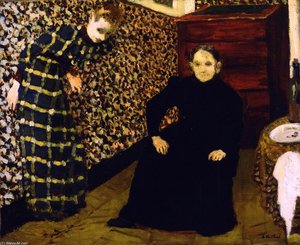
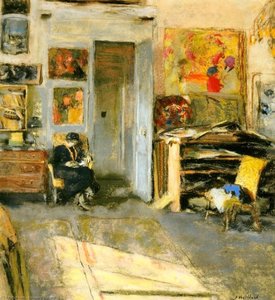
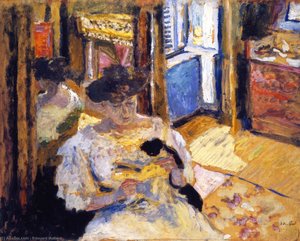
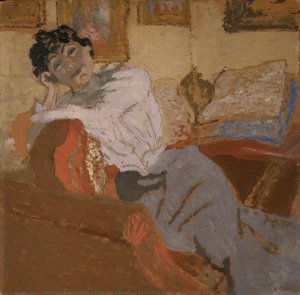
While the Nabis explored various themes, it’s Vuillard's *intimism* – his focus on interior scenes, quiet moments of everyday life – that truly defines his legacy. He wasn’t interested in grand historical narratives or sweeping landscapes; instead, he turned his gaze inward, depicting the lives of family and friends within the comforting confines of their homes. These weren’t simply portraits of rooms; they were explorations of atmosphere, memory, and the subtle relationships between people and their surroundings. Vuillard's interiors are often characterized by a sense of enclosure, with figures nestled amongst patterned fabrics, furniture, and personal objects. He masterfully captured the play of light filtering through windows, casting soft shadows and creating a feeling of warmth and tranquility. This deliberate focus on the private sphere was a conscious rejection of the public spectacle favored by many contemporary artists. It offered viewers a glimpse into a world of quiet contemplation and emotional resonance.
Color, Pattern, and Flattened Perspective: Vuillard's Signature Style
Vuillard’s technical approach was as innovative as his subject matter. Heavily influenced by Japanese prints – particularly their use of flattened perspective and bold patterns – he rejected traditional notions of depth and realism. His paintings often appear almost decorative, with areas of color seamlessly blending into one another. He employed a technique of building up layers of thin paint, creating a luminous surface that seems to glow from within. The careful arrangement of pattern is also crucial; fabrics, wallpaper, and furniture coverings are rendered with meticulous detail, adding depth and complexity to the composition. This wasn’t merely about aesthetic appeal; Vuillard believed that color and pattern could evoke specific emotions and create a sense of harmony. He often used complementary colors – reds and greens, blues and oranges – to heighten visual impact and draw the viewer's eye. The result is a style that is both visually captivating and deeply evocative.
Madame Hessel as Muse: Exploring a Pivital Relationship in Vuillard’s Work
Central to understanding Vuillard’s intimate world is his relationship with Madame Lucy Hessel, the widow of a wealthy banker who became his most important patron and model. Their connection extended beyond that of artist and benefactor; it was a deep personal bond that profoundly influenced his work. Madame Hessel appears in numerous paintings, often depicted in her boudoir or garden, surrounded by the objects she cherished. These portraits are not simply likenesses; they are intimate studies of character and atmosphere. “Madame Hessel at the Seashore” (1892) captures a moment of quiet contemplation as Madame Hessel gazes out to sea, while “Madame Hessel in Her Boudoir” (1893) offers a glimpse into her private world. Vuillard’s depictions of Madame Hessel are characterized by a sense of tenderness and respect, revealing a deep understanding of her personality and inner life. She wasn't merely a subject; she was a collaborator, offering him access to her home and allowing him to capture the essence of her existence.
Beyond Decoration: The Subtle Narratives Within Vuillard’s Interiors
While often described as decorative, Vuillard’s interiors are far from superficial. Beneath the surface beauty lies a subtle narrative quality, hinting at the lives and relationships of those depicted. He wasn't interested in telling explicit stories; instead, he preferred to suggest moments of connection, contemplation, or quiet melancholy. “Sunny Morning, Lucy Hessel and Denise Natanson in the Garden at Les Pavillons, Villerville” (1893) exemplifies this approach, depicting a peaceful scene of two women enjoying a moment of respite in a lush garden. The painting is filled with subtle details – the arrangement of flowers, the play of light on the foliage – that create a sense of atmosphere and emotional resonance. Vuillard’s interiors are often populated by figures engaged in everyday activities – reading, sewing, or simply conversing – but these moments are imbued with a quiet dignity and psychological depth. He invites viewers to linger over these scenes, to imagine the lives of those depicted and to find meaning in their subtle gestures and expressions.
Vuillard’s Legacy: Influence on Modern Art & Enduring Appeal
Jean-Édouard Vuillard's influence on modern art is undeniable. His innovative use of color, pattern, and flattened perspective paved the way for movements like Cubism and Fauvism. Artists such as Matisse and Picasso acknowledged their debt to his work, recognizing his pioneering exploration of form and space. Beyond his technical contributions, Vuillard’s emphasis on intimacy and subjective experience continues to resonate with viewers today. In a world often dominated by spectacle and grand narratives, his quiet interiors offer a welcome respite – a glimpse into a world of beauty, contemplation, and emotional depth. His paintings remind us that even the most ordinary moments can be imbued with meaning and significance. Explore the timeless elegance and subtle power of Vuillard’s work at ArtsDot, where you can discover high-quality reproductions of his masterpieces and bring a touch of intimacy to your own home.