Early Leiden: Shared Beginnings and Pieter Lastman's Influence
 Wikipedia: Jan Lievens
Jan Lievens (24 October 1607 – 4 June 1674) was a Dutch Golden Age painter who was associated with his close contemporary Rembrandt, a year older, in the early parts of their careers. They shared a birthplace in Leiden, training with Pieter Lastman i...
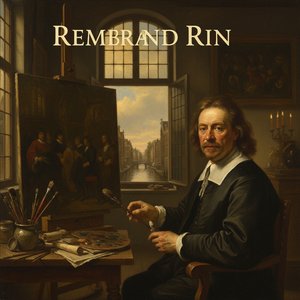
The story of Jan Lievens is inextricably linked to that of his more celebrated contemporary, Rembrandt van Rijn. Both artists were born in Leiden, a bustling center of Dutch Golden Age culture, within a year of each other – Lievens in 1607 and Rembrandt in 1606. This shared birthplace fostered an early artistic kinship, but it was their tutelage under Pieter Lastman in Amsterdam that truly ignited their creative trajectories. Lastman, though now somewhat overshadowed by his pupils’ achievements, was a pivotal figure, known for his dramatic historical scenes and narrative flair. He instilled in both Lievens and Rembrandt a fascination with biblical stories, mythological subjects, and the power of expressive composition. However, even at this nascent stage, subtle differences began to emerge. While Rembrandt absorbed Lastman's theatricality and infused it with an unparalleled psychological depth, Lievens demonstrated a precocious technical skill and a penchant for bold experimentation.
Lievens’ early success was remarkable; accounts from Arnold Houbraken detail his prodigious talent even as a young boy, attracting attention from prominent patrons like Maurice of Nassau, Prince of Orange. This initial acclaim stemmed not merely from imitation but from an inherent ability to capture form and light with striking immediacy. His copies of works by Cornelis van Haarlem, particularly “Democriet & Herakliet,” showcased his mastery of draftsmanship, while a portrait of his mother, Machtelt Jans van Noortzant, revealed a sensitivity that belied his years. These early works weren’t simply exercises in technique; they were declarations of an emerging artistic voice—a voice poised to carve its own path within the vibrant landscape of Dutch painting.
The Dramatic Chiaroscuro: Lievens, Rembrandt, and Caravaggisti Roots
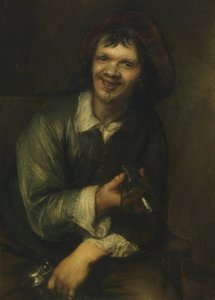 jan andrea lievens jan lievens
Discover Jan Lievens (1607-1674), a Dutch Golden Age painter & Rembrandt contemporary! Explore his dramatic works, portraits & Caravaggisti influences. See art at Mauritshuis & more.
Upon their return from Lastman's studio, Lievens and Rembrandt established a collaborative workshop in Leiden. For approximately five years, they worked side-by-side, engaging in an intense artistic dialogue that proved profoundly influential for both artists. This period is characterized by a shared exploration of chiaroscuro, the dramatic interplay of light and shadow popularized by Italian Caravaggisti painters like Gerrit van Honthorst and Dirck van Baburen. The influence wasn’t merely stylistic; it was a fundamental shift in approach, prioritizing emotional intensity and realism through stark contrasts and carefully orchestrated illumination.
Both artists were captivated by the power of light to reveal form, create atmosphere, and heighten narrative tension. However, their interpretations diverged subtly yet significantly. Rembrandt delved deeper into psychological nuance, using shadow not just as a technical device but as a metaphor for inner states and hidden emotions. Lievens, while equally adept at manipulating light, often favored a more direct, almost theatrical approach—a boldness that resonated with the tastes of his early patrons. This difference is particularly evident in their depictions of biblical scenes; Rembrandt’s are often introspective and meditative, while Lievens’ tend to be more dynamic and action-oriented.
Diverging Paths: Lievens’s Continental Journeys vs. Rembrandt’s Amsterdam Focus
The Golden Age of Flanders, or Flemish Golden Age, is a term that has been used to describe the flourishing of cultural and economic activities of the Low Countries around the 16th century. The term Flanders in the 16th century referred to the entire...
Around 1631, the artistic partnership between Lievens and Rembrandt dissolved as their paths began to diverge. Rembrandt remained in Amsterdam, establishing himself as a leading portraitist and history painter, while Lievens embarked on a series of continental journeys that would profoundly shape his artistic development. This decision proved pivotal, exposing him to diverse influences and broadening his stylistic repertoire.
Lievens’s travels took him to London, Antwerp, The Hague, and Berlin, each city leaving an indelible mark on his work. In England, he painted portraits for the court of Charles I, absorbing the elegance and refinement of Anthony van Dyck's style. His time in Antwerp saw a shift towards Flemish Baroque mannerism, characterized by rich colors, opulent textures, and a greater emphasis on decorative detail. Later periods in The Hague and Berlin brought further stylistic nuances, reflecting the tastes of local patrons and artistic traditions.
Portraiture as a Vehicle for Style: Comparing Approaches to Representation
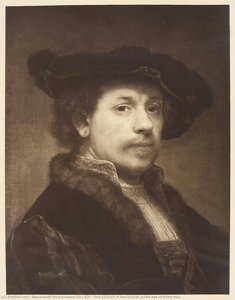
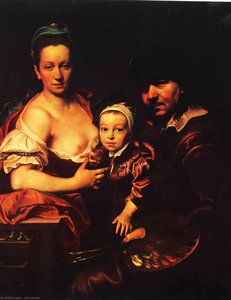 Self portrait
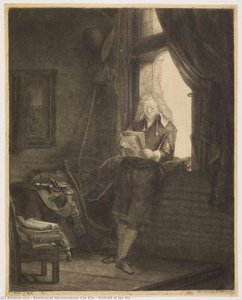
Throughout his career, Lievens consistently engaged with portraiture, but his approach differed markedly from that of Rembrandt. While Rembrandt sought to capture the inner life of his sitters—their psychological complexities and emotional states—Lievens often prioritized external representation and social status. His portraits are typically more formal and polished, emphasizing elegance, refinement, and the sitter’s position within society.
Self-Portrait, painted around 1629-30, offers a compelling glimpse into Lievens's early mastery of self-representation. The painting showcases his technical skill—the meticulous rendering of textures, the subtle play of light and shadow—but also reveals a certain self-assurance and ambition. Later portraits, commissioned by royalty and prominent citizens, demonstrate his ability to adapt his style to suit the tastes of his patrons while maintaining a distinctive artistic voice.
Rediscovered Works & Evolving Scholarship: New Perspectives on Lievens's Oeuvre
For centuries, Jan Lievens remained overshadowed by the towering figure of Rembrandt. However, recent scholarship and the rediscovery of previously lost works have begun to illuminate his unique contributions to Baroque art. The identification of paintings previously attributed to Rembrandt or other artists has expanded our understanding of Lievens’s stylistic range and artistic development.
The unearthing of drawings and canvases from his Antwerp period, for example, reveals a greater degree of experimentation and innovation than previously recognized. These works demonstrate his willingness to embrace Flemish Baroque techniques while retaining elements of his distinctive Dutch style. The recent auction of a long-lost drawing at TEFAF Maastricht—a testament to the ongoing rediscovery of his oeuvre—underscores the growing interest in Lievens’s work among collectors and scholars alike.
Legacy and Influence: Assessing the Place of Jan Lievens in Baroque Art History
While Lievens may not have achieved the same level of fame as Rembrandt, his contributions to Baroque art are undeniable. His dramatic compositions, masterful use of chiaroscuro, and willingness to embrace diverse stylistic influences make him a compelling figure in the history of Dutch painting. He bridged the gap between the early Caravaggisti style and the more refined aesthetic of Flemish Baroque, forging a unique artistic path that deserves greater recognition.
Today, Lievens’s works are held in prestigious collections around the world, including the Mauritshuis in The Hague and the Museo Thyssen-Bornemisza in Madrid. As scholarship continues to shed light on his life and art, Jan Lievens is finally emerging from the shadow of his more famous contemporary—a testament to his enduring talent and artistic vision. At ArtsDot.com, we are proud to offer high-quality reproductions of Lievens’s masterpieces, allowing collectors to experience the beauty and drama of his work firsthand.