Introduction: The Chronicler of Parisian Society
 jean georges béraud
Discover Jean-Georges Béraud (1849-1936), a master of Parisian life! His paintings capture elegant scenes, bustling cafes & vibrant portraits with Impressionistic flair.
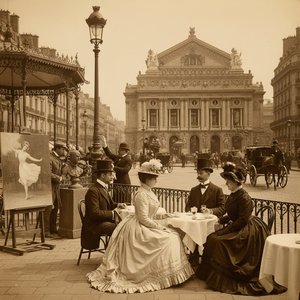
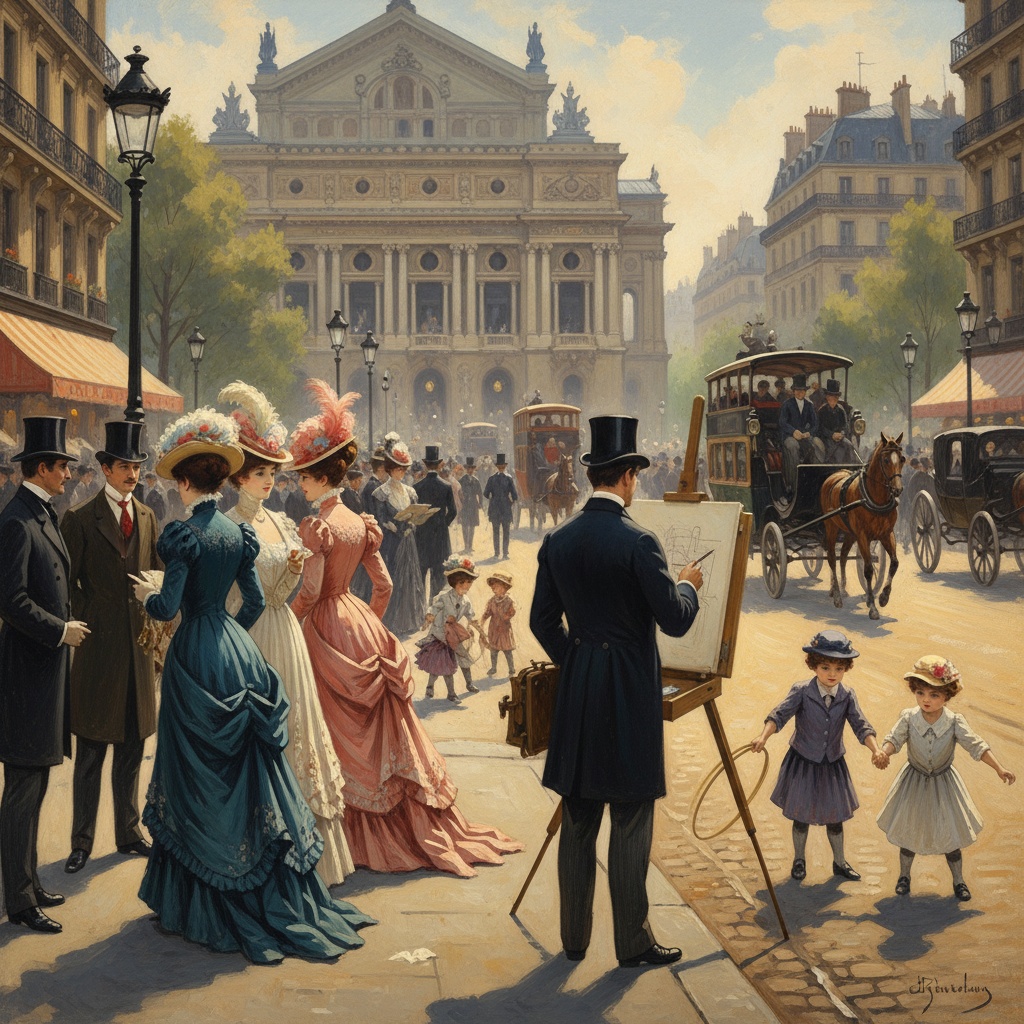
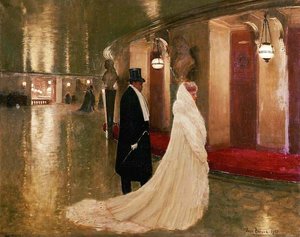
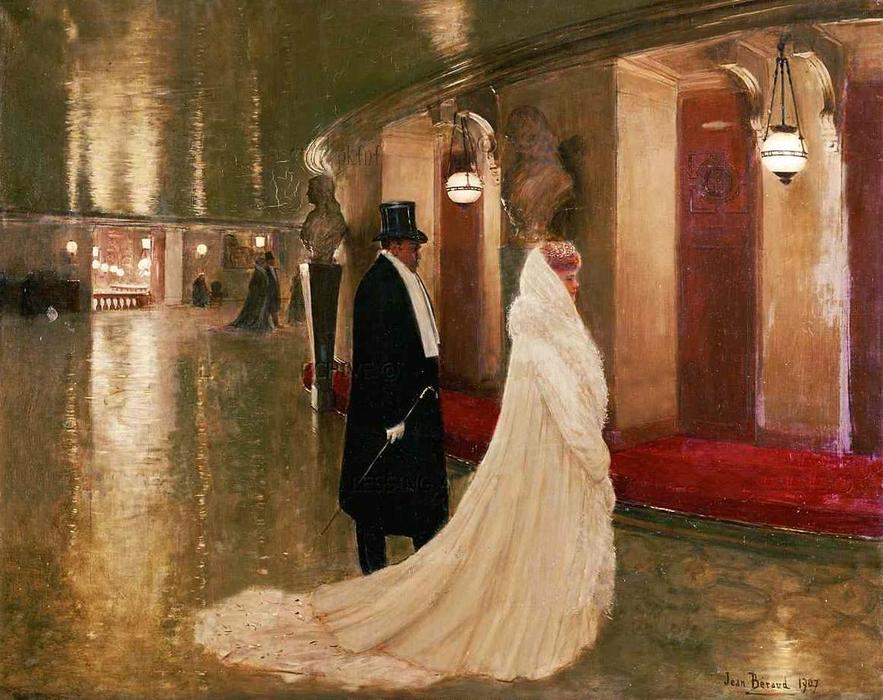
Jean-Georges Béraud (1849-1936) occupies a unique position within the pantheon of 19th-century French painters. He wasn’t a revolutionary like Manet or Monet, nor did he strive for the ethereal beauty of Renoir. Instead, Béraud dedicated his artistic life to meticulously documenting the vibrant, bustling reality of Parisian society during the Belle Époque – an era often romanticized but rarely captured with such astute observation and subtle wit. He was, in essence, a chronicler of modern life, painting not grand historical narratives, but the everyday dramas unfolding on the boulevards, in cafes, and within the elegant salons of the French capital.
From Academic Roots to Impressionistic Flair: Béraud’s Artistic Evolution
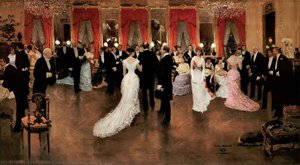
 Le Cafe de Paris
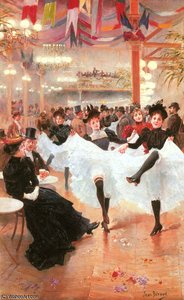
Explore Jean-Georges Béraud’s "Le Cafe de Paris," a vibrant 1890s Parisian ballroom scene in oil. Admire its realism, Impressionistic flair & opulent Belle Époque depiction.
Béraud's journey began with a classical foundation. Initially trained as a doctor, he soon gravitated towards painting, studying under Léon Bonnat, a prominent academic artist known for his realistic depictions of historical and religious subjects. However, the rigid constraints of academic style proved insufficient for Béraud’s burgeoning artistic vision. The Franco-Prussian War served as a catalyst, prompting him to embrace a more contemporary approach. While he never fully abandoned realism, Béraud gradually incorporated elements of Impressionism – looser brushstrokes, a heightened sensitivity to light and atmosphere, and a focus on capturing fleeting moments in time. This fusion resulted in a distinctive style characterized by its clarity, detail, and an almost photographic quality. He wasn’t interested in merely *representing* reality; he sought to capture its essence, its energy, and its underlying social currents.
A Window into the Belle Époque: Themes and Motifs in Béraud's Paintings
The Belle Époque (French pronunciation: [bɛlepɔk]) or La Belle Époque (French for 'The Beautiful Era') was a period of French and European history that began after the end of the Franco-Prussian War in 1871 and continued until the outbreak of World W...
The Belle Époque – “the beautiful era” – was a period of unprecedented optimism, economic prosperity, and technological advancement. But beneath the glittering surface lay complexities and contradictions. Béraud’s paintings offer a nuanced portrayal of this duality. His canvases are populated with elegantly dressed Parisians enjoying leisurely pursuits: attending concerts, dining in fashionable restaurants, or simply strolling along the Champs-Élysées. However, his work isn't merely celebratory. He subtly reveals the anxieties and alienation lurking beneath the veneer of sophistication. Recurring motifs – crowded spaces, fleeting glances, and a sense of isolation within a throng – speak to the challenges of modern urban life. The burgeoning café culture, for example, is depicted not just as a place of social interaction but also as a space where individuals are often lost in their own thoughts, disconnected from those around them.
Masterpieces of Modern Life: Examining Key Works by Jean-Georges Béraud
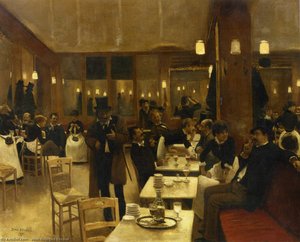 La brasserie
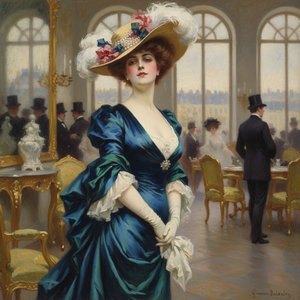
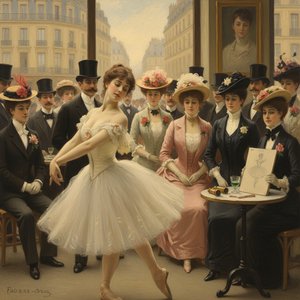
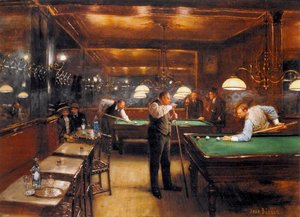
Consider “La Brasserie”, a quintessential example of Béraud’s ability to capture the energy and atmosphere of Parisian nightlife. The scene is alive with movement, light reflecting off polished surfaces, and a diverse cast of characters engaged in various conversations and activities. Similarly, “Le Cafe de Paris” (1890) offers a vibrant glimpse into a ballroom scene, showcasing the opulence and social rituals of the Belle Époque elite. The painting’s realism is striking, yet it's infused with an Impressionistic flair that captures the shimmering light and dynamic energy of the space. “A la salle Graffard” (1884) provides a more intimate view of Parisian society, depicting a lively gathering in a bustling restaurant. These works aren’t simply depictions of places; they are portraits of a time, capturing the spirit and sensibilities of an era.
Social Commentary and Satire: Unveiling Hidden Layers in Béraud’s Art
Social realism is work produced by painters, printmakers, photographers, writers, filmmakers and some musicians that aims to draw attention to the real socio-political conditions of the working class as a means to critique the power structures behind...
While often overlooked, Béraud's paintings contain subtle yet pointed social commentary. He possessed a keen eye for hypocrisy and pretension, gently mocking the foibles and vanities of Parisian society. His depictions of biblical scenes set in contemporary settings – a controversial practice at the time – served as veiled critiques of modern morality. He wasn’t overtly political, but his work subtly challenged conventional norms and exposed the contradictions inherent in Belle Époque culture. This satirical edge, combined with his masterful technique, made him both popular and provocative during his lifetime. He observed the changing social landscape with a detached yet critical eye, offering viewers a glimpse behind the façade of elegance and prosperity.
Béraud’s Legacy: Influence and Rediscovery
Despite achieving considerable success during his lifetime, Béraud's work fell into relative obscurity after his death. However, in recent decades, there has been a growing appreciation for his unique contribution to 19th-century French art. His paintings are now recognized as invaluable documents of the Belle Époque, offering a nuanced and insightful portrayal of Parisian life. His influence can be seen in the work of later artists who sought to capture the complexities of modern urban existence. Today, Béraud stands as a testament to the power of observation, the beauty of realism, and the enduring appeal of capturing the fleeting moments that define a time and place. Discover the timeless elegance and subtle wit of Jean-Georges Béraud – a master painter whose work continues to resonate with audiences today. Explore our collection of fine art reproductions at ArtsDot.com and bring the beauty of the Belle Époque into your home.