The Genesis of a Revolutionary: Orozco’s Early Life & Influences
 Wikipedia: José Clemente Orozco
José Clemente Orozco (November 23, 1883 – September 7, 1949) was a Mexican caricaturist and painter, who specialized in political murals that established the Mexican Mural Renaissance together with murals by Diego Rivera, David Alfaro Siqueiros, and ...
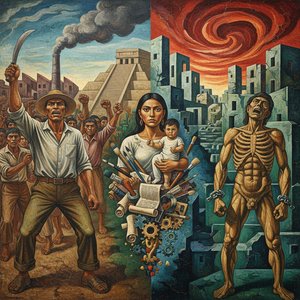
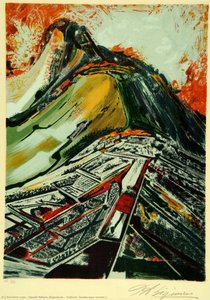
José Clemente Orozco, born in 1883 in the small town of Zapotlán el Grande (now Ciudad Guzmán), Jalisco, Mexico, emerged from a landscape steeped in both indigenous tradition and burgeoning political unrest. His artistic journey wasn't one of immediate acclaim but rather a slow burn ignited by witnessing the complexities – and often brutal realities – of post-colonial Mexican society. Unlike some contemporaries who enjoyed early formal patronage, Orozco’s path was forged through self-education and direct engagement with the world around him. A pivotal influence during his formative years was the work of José Guadalupe Posada, a printmaker whose satirical engravings fearlessly critiqued societal norms and political corruption. The immediacy and accessibility of Posada's art – displayed openly for all to see – profoundly impacted Orozco, instilling in him a desire to use art as a vehicle for social commentary. This early exposure fostered a commitment to representing the lives and struggles of ordinary Mexicans, a theme that would become central to his oeuvre.
Orozco’s formal training at the Academy of San Carlos in Mexico City provided technical grounding, but it was his experiences during the Mexican Revolution (1910-1920) that truly shaped his artistic vision. The violence and upheaval he witnessed firsthand left an indelible mark, fueling a deep sense of disillusionment with revolutionary ideals and a profound empathy for human suffering. This period wasn’t merely observed; Orozco actively participated, working as an illustrator for Constitutionalist armies, further solidifying his connection to the political landscape.
Beyond Representation: Orozco's Distinct Style & Symbolist Roots
 Tina Modotti
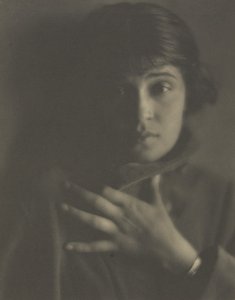
Tina Modotti (1896-1942): Italian photographer & revolutionary. Known for striking portraits, social realism documenting Mexican life, and her commitment to art as activism.
While often grouped with Diego Rivera and David Alfaro Siqueiros as one of “Los Tres Grandes” of Mexican muralism, José Clemente Orozco possessed a uniquely somber and complex artistic voice. Where Rivera celebrated the triumphs of the revolution with vibrant optimism, Orozco delved into its darker undercurrents – the pain, loss, and enduring inequalities that persisted even after victory. His style wasn’t simply about depicting events; it was about excavating their emotional core.
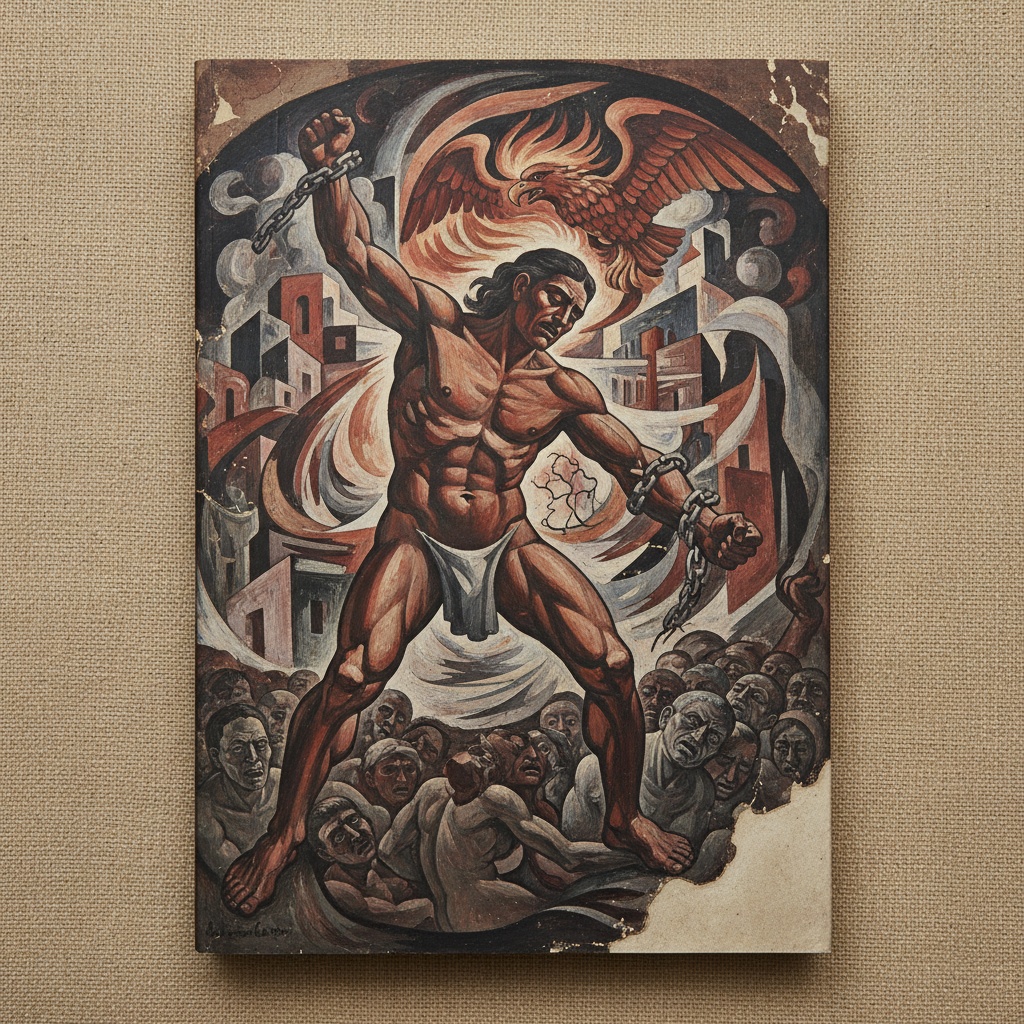
Orozco's artistic foundation lay in Symbolism, a movement characterized by its emphasis on subjective experience, dreamlike imagery, and the use of allegory to convey complex ideas. This influence is evident in his masterful manipulation of form and color, often employing distorted figures and dramatic chiaroscuro to evoke feelings of anguish, despair, and resilience. He wasn’t interested in photographic realism; instead, he sought to create a visceral emotional response through expressive abstraction. His early work demonstrates a clear Renaissance influence in composition and modeling, but this was always tempered by a distinctly modern sensibility – a willingness to break with convention and explore new visual languages.
Furthermore, Orozco’s skill as a cartoonist and lithographer is readily apparent in his murals. He possessed an extraordinary ability to distill complex narratives into powerful, easily understood images, making his art accessible to a broad audience—a crucial element of the muralist project's democratic ideals.
Murals as Manifestos: Social and Political Themes in Orozco’s Work
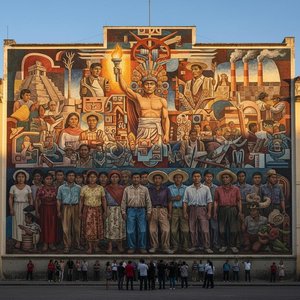
Social realism is work produced by painters, printmakers, photographers, writers, filmmakers and some musicians that aims to draw attention to the real socio-political conditions of the working class as a means to critique the power structures behind...
The murals of José Clemente Orozco weren’t merely decorative; they were powerful statements about Mexico’s past, present, and future. Commissioned by the post-revolutionary government to promote national unity and a new sense of identity, these large-scale artworks transformed public spaces into arenas for social and political discourse. However, unlike his contemporaries, Orozco didn't shy away from portraying the brutal realities that often contradicted official narratives.
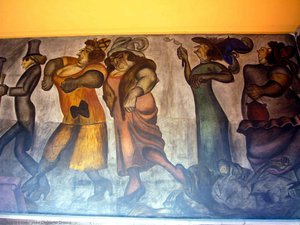
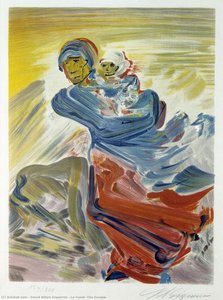
His murals at the National Preparatory School in Mexico City (1922-1924) are particularly striking examples of this commitment to unflinching honesty. Works like *Maternity* and *Man in Battle Against Nature* grapple with themes of birth, death, struggle, and the cyclical nature of history. He depicted not idealized heroes but ordinary people caught in the crossfire of political conflict, their faces etched with pain and determination. The series also showcases his exploration of pre-Hispanic mythology and symbolism, weaving ancient narratives into a contemporary context.
Orozco’s murals often served as critiques of both the excesses of the old regime and the shortcomings of the new government. He challenged viewers to confront uncomfortable truths about power, corruption, and social injustice, making his art a potent force for change—and sometimes, controversy.
Orozco, Rivera, and Siqueiros: The Mexican Mural Renaissance Trio
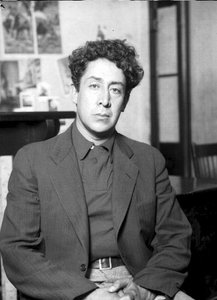 David Alfaro Siqueiros
Explore the revolutionary art of David Alfaro Siqueiros (1896-1974), a Mexican muralist whose powerful frescoes ignited social change & challenged conventions alongside Rivera & Orozco.
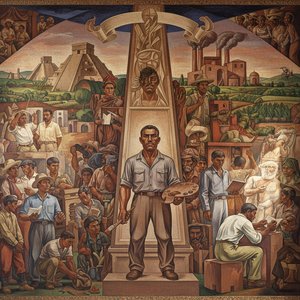
The 1920s witnessed the flourishing of the Mexican Mural Renaissance, a movement that revitalized fresco painting and transformed public spaces across Mexico. At its heart were three towering figures: Diego Rivera, David Alfaro Siqueiros, and José Clemente Orozco. While united by their commitment to social realism and nationalistic themes, each artist possessed a distinct style and perspective.
Diego Rivera, the most internationally renowned of the trio, embraced a bold, optimistic aesthetic, celebrating the triumphs of the revolution and the dignity of labor. David Alfaro Siqueiros, known for his dynamic compositions and innovative techniques, focused on themes of class struggle and revolutionary action. Orozco, in contrast, offered a more pessimistic and introspective vision, grappling with the darker aspects of human nature and the enduring consequences of conflict.
Despite their differences, these three artists shared a common goal: to create art that was accessible to all Mexicans, regardless of social class or education. They believed that murals could serve as powerful tools for educating the public about Mexico’s history and inspiring a sense of national pride. Their collaborative efforts—and sometimes, heated debates—shaped the course of Mexican art and left an indelible mark on the global artistic landscape.
A Legacy of Suffering and Hope: Orozco’s Enduring Impact on Art History
José Clemente Orozco's influence extends far beyond the walls of his murals. His unflinching portrayal of human suffering, coupled with his masterful technique and symbolic depth, continues to resonate with audiences today. He challenged conventional notions of beauty and heroism, forcing viewers to confront uncomfortable truths about power, inequality, and the complexities of the human condition.
His work profoundly impacted subsequent generations of artists, inspiring movements such as American Social Realism and influencing figures like Jackson Pollock, Philip Guston, and Ben Shahn. Orozco’s exploration of abstraction and his willingness to experiment with form paved the way for new artistic possibilities.
Today, Orozco's murals stand as powerful testaments to the enduring power of art to provoke thought, inspire action, and bear witness to the human experience. His legacy is not simply one of aesthetic innovation but also of moral courage—a commitment to using art as a vehicle for social justice and a reminder that even in the darkest of times, hope can endure.
Collecting Orozco Today: Exploring Reproductions & the Artist's Market
 The Return of the Fresco: Why Wall Murals Are the New Luxury Statement
Elevate your space with bespoke wall murals & frescoes. Explore the resurgence of this luxury art form. Expert design guidance & seamless installation – .
While original José Clemente Orozco murals are permanently installed in public spaces throughout Mexico and beyond, experiencing his art firsthand is often limited. Fortunately, high-quality reproductions offer a compelling way to bring his powerful imagery into your home or office. ArtsDot.com specializes in handmade oil paintings meticulously crafted by skilled artists, capturing the textures, colors, and emotional depth of Orozco’s originals.
When considering an Orozco reproduction, it's important to prioritize quality and authenticity. Look for reproductions painted on 100% cotton canvas using professional-grade oils, ensuring a lasting artwork that faithfully reflects the artist’s vision. Customization options allow you to select the perfect size and framing style to complement your space.
The market for original Orozco drawings and lithographs remains strong, with prices varying depending on rarity, condition, and provenance. However, reproductions offer an accessible entry point into appreciating this revolutionary artist’s work and engaging with his powerful message of social justice and human resilience. Explore the collection at ArtsDot.com to discover a range of Orozco masterpieces available for your enjoyment.