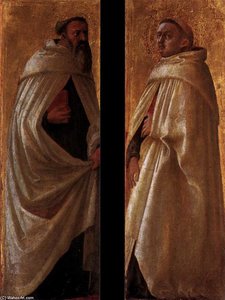
The Florentine Context: A Cradle of Renaissance Innovation
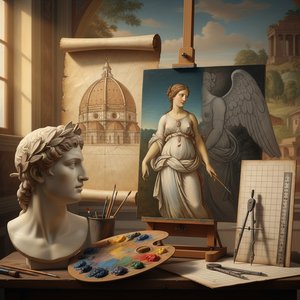
Renaissance art (1350 – 1620) is the painting, sculpture, and decorative arts of the period of European history known as the Renaissance, which emerged as a distinct style in Italy in about AD 1400, in parallel with developments which occurred in phi...
The Florence of the early 15th century was a city brimming with intellectual ferment, a place where the rediscovery of classical antiquity collided with burgeoning humanist ideals. This unique confluence provided fertile ground for artistic revolution, and it was within this vibrant milieu that Tommaso di Ser Giovanni di Simone – better known as Masaccio – emerged as a transformative figure. Unlike his contemporaries still steeped in the decorative elegance of the International Gothic style, Masaccio possessed an insatiable desire to represent the world with unprecedented realism. He wasn’t merely depicting religious narratives; he was striving for a tangible connection between the sacred and the earthly, a feat that demanded a radical departure from established artistic conventions. The patronage system flourishing under families like the Medici fueled this innovation, providing artists with opportunities to experiment and push the boundaries of what painting could achieve. Florence, in essence, wasn’t just *where* Masaccio painted; it was integral to *how* he painted – a city that demanded a new visual language reflecting its own burgeoning sense of self-awareness and intellectual ambition.
Breaking with Tradition: Masaccio’s Revolutionary Techniques
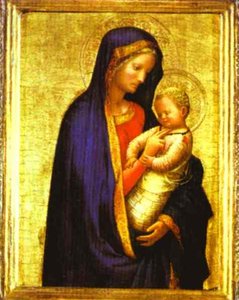
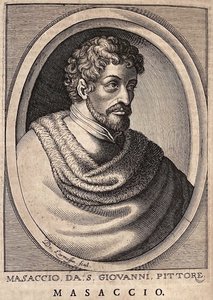 tommaso di ser giovanni di mone cassai
Masaccio (1401-1428) revolutionized Renaissance painting with groundbreaking use of linear perspective, chiaroscuro & naturalism. Explore the works of this Florentine master who paved the way for artists like Michelangelo. Key themes: humanism, reali
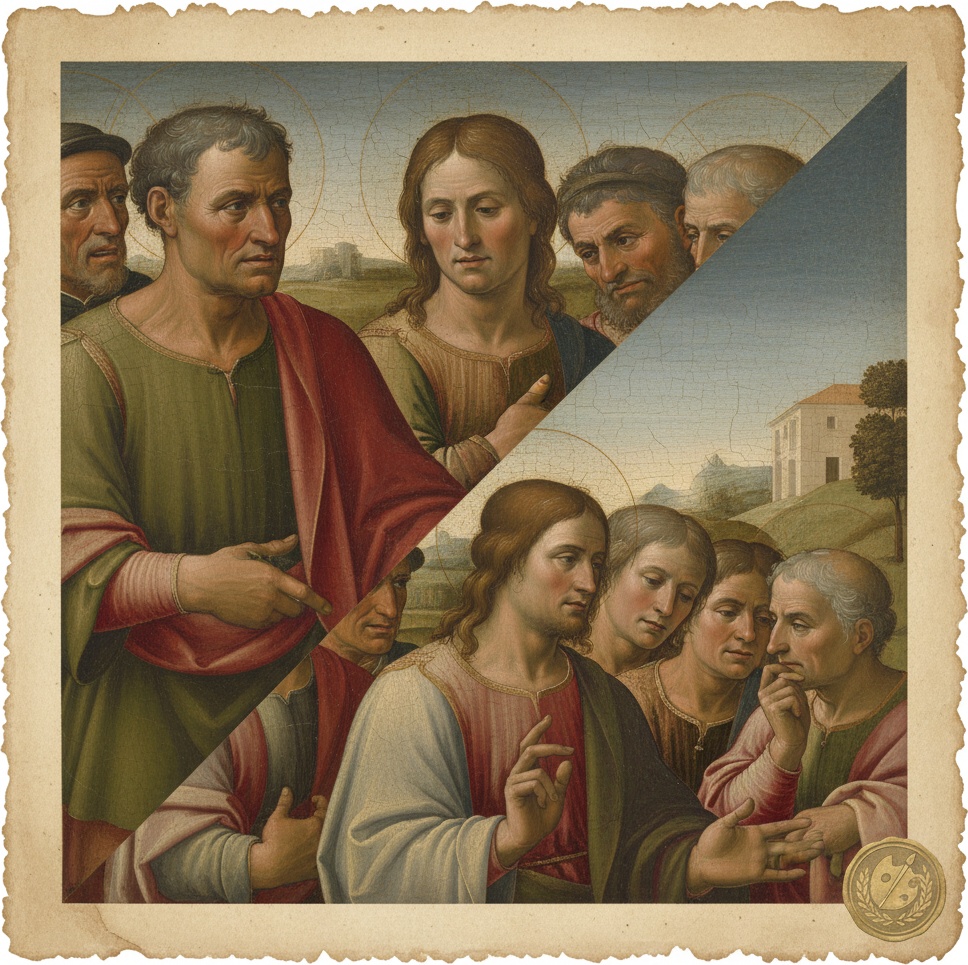
Masaccio's genius lay not in inventing entirely new concepts, but in the masterful application and synthesis of existing ideas. He absorbed the architectural principles of linear perspective, pioneered by Filippo Brunelleschi, transforming them from theoretical constructs into a powerful tool for creating illusionistic depth on a two-dimensional surface. This wasn’t simply about making paintings *look* realistic; it was about constructing a believable spatial environment that drew the viewer in, collapsing the distance between artwork and observer. Equally significant was his pioneering use of chiaroscuro, the dramatic interplay of light and shadow. By modeling forms with nuanced gradations of tone, Masaccio imbued his figures with a three-dimensionality previously unseen in painting. This technique wasn’t merely aesthetic; it served to emphasize volume, weight, and the very physicality of his subjects. But perhaps most strikingly, Masaccio rejected the stylized conventions of earlier art, opting instead for a naturalism that prioritized anatomical accuracy and expressive gestures. He observed the human form with meticulous detail, imbuing his figures with a sense of individual character and psychological presence.
Masterpieces in Perspective: Analyzing ‘The Holy Trinity’ & ‘Brancacci Chapel’ Frescoes
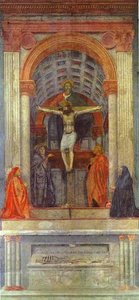 The Holy Trinity with the Virgin, St. John and Two Donors
Discover "The Holy Trinity" by Masaccio, a masterpiece of Early Renaissance art! Hand-painted reproduction captures its groundbreaking perspective & realism. Own a piece of history – explore now!
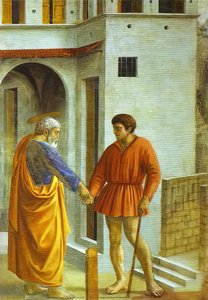
To truly appreciate Masaccio's revolutionary impact, one must examine his key works. The Holy Trinity, housed within Santa Maria Novella in Florence, stands as a testament to his mastery of linear perspective. The fresco depicts the traditional religious scene with an astonishing sense of depth; the architectural framework recedes convincingly into the background, creating a virtual chapel that extends beyond the physical wall. This wasn’t merely a technical feat—it was a theological statement, suggesting a direct connection between the earthly realm and the divine. The Brancacci Chapel, however, represents Masaccio's most sustained artistic achievement. Commissioned for the Santa Maria del Carmine church, these frescoes depict scenes from the life of Saint Peter with unparalleled realism and dramatic intensity. The *Expulsion from the Garden of Eden*, for example, is a harrowing depiction of human fallibility, rendered with raw emotion and anatomical precision. And then there’s the iconic *Tribute Money*, where Masaccio seamlessly integrates multiple perspectives within a single composition, creating a dynamic narrative that unfolds before the viewer's eyes. These works weren’t simply paintings; they were immersive experiences, designed to engage the observer on both an intellectual and emotional level.
Humanism and Emotion: The Psychological Depth of Masaccio's Figures
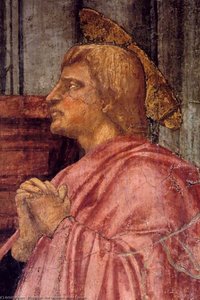
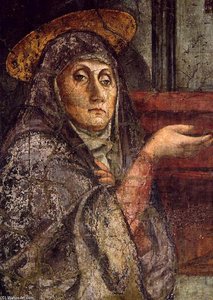
Beyond technical brilliance, Masaccio possessed a remarkable ability to imbue his figures with psychological depth. Unlike the stylized representations prevalent in earlier art, his characters are not merely symbols; they are individuals grappling with complex emotions. Observe the faces within the Brancacci Chapel frescoes – their expressions of grief, anger, and contemplation resonate across centuries. This newfound emphasis on human emotion was deeply rooted in the humanist philosophy that permeated Florentine society. Masaccio wasn’t simply depicting saints and biblical figures; he was exploring the universal experiences of humanity—joy, sorrow, faith, and doubt. This shift towards realism extended beyond physical appearance to encompass inner life, creating a sense of empathy and connection between the viewer and the subjects depicted. His figures are not distant icons but relatable individuals, rendered with a sensitivity that foreshadows the psychological complexities explored by Renaissance masters like Leonardo da Vinci.
A Lasting Legacy: Masaccio’s Influence on Renaissance Art and Beyond
Masaccio's tragically short life – he died at just twenty-six years old – belies his profound impact on the course of Western art. His innovations in linear perspective, chiaroscuro, and naturalism laid the foundation for the High Renaissance style that would flourish in the decades following his death. Artists like Fra Angelico, Paolo Uccello, and Piero della Francesca directly studied and emulated his techniques, building upon his breakthroughs to create their own masterpieces. More broadly, Masaccio’s emphasis on realism and psychological depth profoundly influenced generations of artists, shaping the way human figures were depicted for centuries to come. His work served as a model for artistic training, with aspiring painters flocking to Florence to study his frescoes in the Brancacci Chapel. Today, Masaccio is rightfully regarded as the first great Italian Renaissance painter – a visionary artist who not only transformed painting but also redefined our understanding of what art could be. Explore the enduring power of his work and discover why his legacy continues to inspire artists and captivate audiences worldwide. ArtsDot.com offers exquisite reproductions of Masaccio’s masterpieces, allowing you to bring the beauty and innovation of the Early Renaissance into your own home.