


The Quattrocento: A Rebirth Rooted in Classical Antiquity
The cultural and artistic events of Italy during the period 1400 to 1499 are collectively referred to as the Quattrocento (UK: KWAT-roh-CHEN-toh, -trə-, US: KWOT-roh-, Italian: [ˌkwattroˈtʃɛnto]), from the Italian word for the number '400', in tu...
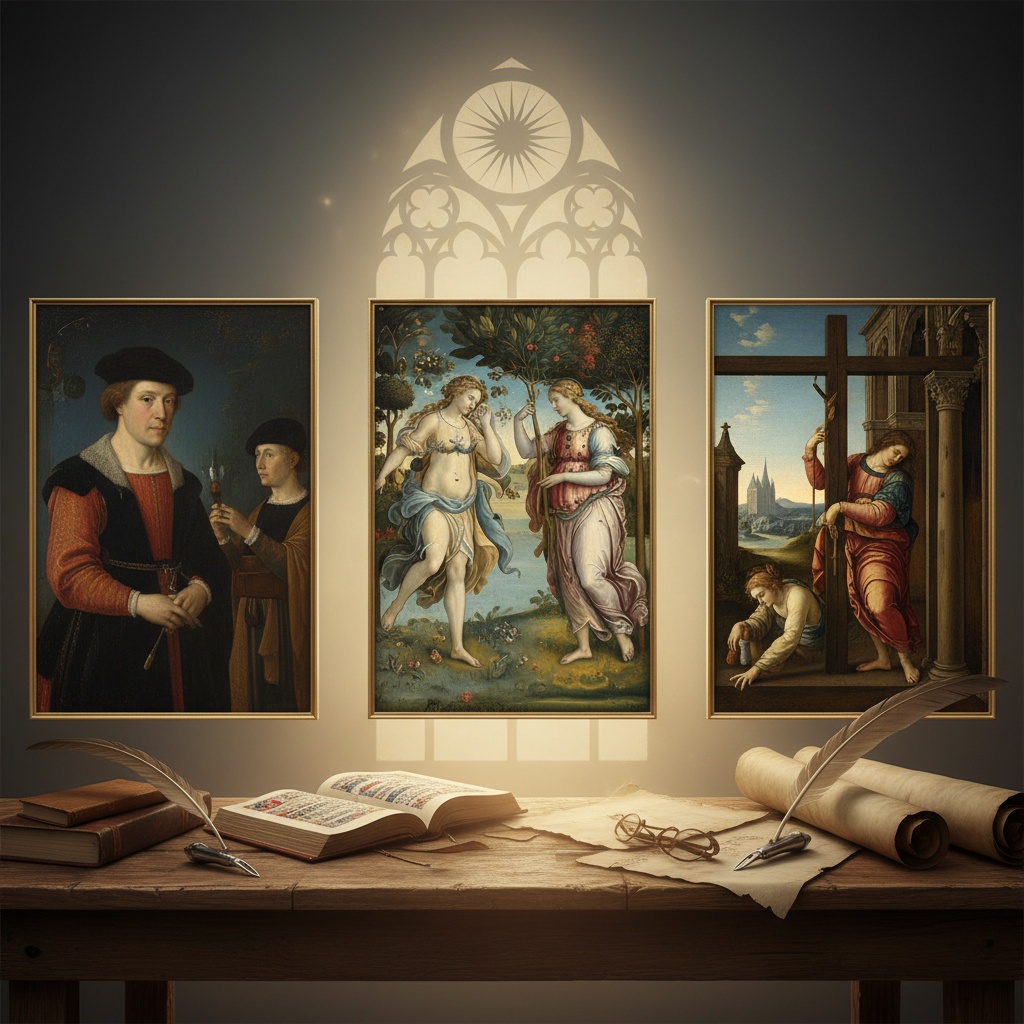
The early 15th century witnessed a remarkable cultural flowering in Italy, an era known as the *Quattrocento* – literally “four hundred,” referencing the year 1400. This period wasn’t merely a revival of classical art; it was a profound reimagining, born from a renewed fascination with the philosophies and aesthetics of ancient Greece and Rome. For centuries, the artistic landscape had been dominated by the stylized forms of Gothic art, often prioritizing spiritual symbolism over naturalistic representation. But a shift was underway, fueled by humanist scholars rediscovering lost texts and challenging medieval conventions. This wasn’t simply about copying Roman statues; it was about understanding the principles that underpinned their beauty – harmony, proportion, and the celebration of human potential. The city-state of Florence became the epicenter of this transformation, its wealthy merchant families eager to demonstrate their civic pride through patronage of ambitious artistic projects.
Humanism's Influence on Artistic Subject Matter & Style
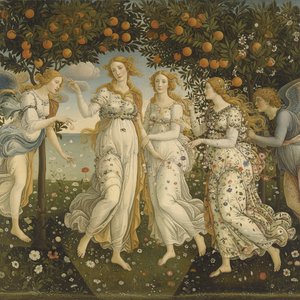
At the heart of the Quattrocento lay Humanism, a philosophical stance that emphasized human agency and intellectual pursuits. This profoundly impacted the art being created. Where medieval art often focused solely on divine narratives, Renaissance artists began to explore secular themes – portraits celebrating individual achievement, mythological scenes imbued with allegorical meaning, and historical events rendered with unprecedented realism. The rediscovery of classical literature also provided a wealth of new subject matter. Artists like Sandro Botticelli drew inspiration from Ovid’s *Metamorphoses*, depicting the birth of Venus or the graceful movements of the Three Graces. But Humanism wasn't just about *what* was depicted; it fundamentally altered *how*. Artists sought to portray human figures with anatomical accuracy, emotional depth, and a sense of individual character. This focus on the human form extended beyond mere physical likeness; it aimed to capture the inner life and intellectual capacity of the subject.
Revolutionizing Representation: Perspective, Chiaroscuro, and Realism
Humanism is a philosophical stance that emphasizes the individual and social potential, and agency of human beings, whom it considers the starting point for serious moral and philosophical inquiry. The meaning of the term "humanism" has changed accor...
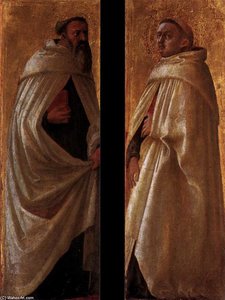
The pursuit of realism demanded new artistic techniques. Perhaps the most significant innovation was linear perspective – a mathematical system for creating the illusion of depth on a flat surface. Pioneered by Filippo Brunelleschi, this technique allowed artists to construct believable spatial environments, drawing the viewer into the scene with unprecedented accuracy. Equally important was the mastery of *chiaroscuro*, the dramatic use of light and shadow to model forms and create a sense of volume. Masaccio’s frescoes in the Brancacci Chapel stand as early examples of this technique, imbuing his figures with a sculptural presence. The interplay of light and shadow wasn't merely decorative; it served to emphasize form, texture, and emotional intensity. These advancements weren’t isolated developments; they were interconnected, each building upon the other to create a more convincing and immersive visual experience.
Florentine Masters: Brunelleschi, Donatello, Masaccio, and the Shaping of a New Era
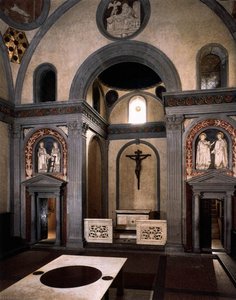
The Quattrocento produced a constellation of artistic geniuses who collectively redefined the possibilities of painting and sculpture. Filippo Brunelleschi, though primarily an architect – his dome for Florence Cathedral remains an engineering marvel – laid the groundwork for perspective with his studies of classical ruins. Donatello revolutionized sculpture by drawing inspiration from ancient Roman models, imbuing his figures with a sense of psychological realism rarely seen before. His *David*, a bronze statue celebrating civic virtue, embodies the humanist ideals of strength and intellect. However, it was Masaccio who arguably had the most immediate impact on painting. His frescoes in the Brancacci Chapel – particularly *The Tribute Money* and *The Expulsion from the Garden of Eden* – demonstrate a mastery of perspective, chiaroscuro, and anatomical accuracy that would influence generations of artists to come. These works weren’t simply beautiful; they were groundbreaking explorations of human emotion and spatial representation.
Beyond Florence: The Spread of Renaissance Ideals Across Italy
While Florence served as the initial catalyst for the Renaissance, its ideals quickly spread throughout Italy. Artists traveled between city-states, exchanging ideas and techniques. Piero della Francesca, working in Urbino and Arezzo, developed a distinctive style characterized by serene compositions, precise perspective, and luminous color palettes. His *Procession of the Queen of Sheba* exemplifies this approach, showcasing his mastery of spatial organization and atmospheric effects. The influence of Humanism also extended beyond painting and sculpture, impacting architecture, literature, and philosophy. Patrons in other cities – such as the Medici family in Florence or the Este court in Ferrara – commissioned ambitious artistic projects that reflected their own cultural aspirations.
The Enduring Legacy: How 15th-Century Innovations Continue to Inspire
The innovations of the Quattrocento weren’t merely stylistic flourishes; they represented a fundamental shift in how artists approached their craft and how viewers engaged with art. The emphasis on realism, perspective, and human emotion laid the foundation for the High Renaissance and beyond. Artists like Leonardo da Vinci, Michelangelo, and Raphael built upon the achievements of their predecessors, pushing the boundaries of artistic expression even further. Even today, the principles developed during this period – the importance of anatomical accuracy, the power of chiaroscuro, and the celebration of human potential – continue to inform contemporary art practices. At ArtsDot, we are dedicated to preserving and celebrating this rich artistic heritage, offering meticulously crafted reproductions that allow you to experience the beauty and innovation of the Renaissance in your own home. Explore our collection today and discover the timeless masterpieces that shaped the course of Western art.