The Dawn of Humanism: Historical Context & Philosophical Foundations
Humanism is a philosophical stance that emphasizes the individual and social potential, and agency of human beings, whom it considers the starting point for serious moral and philosophical inquiry. The meaning of the term "humanism" has changed accor...
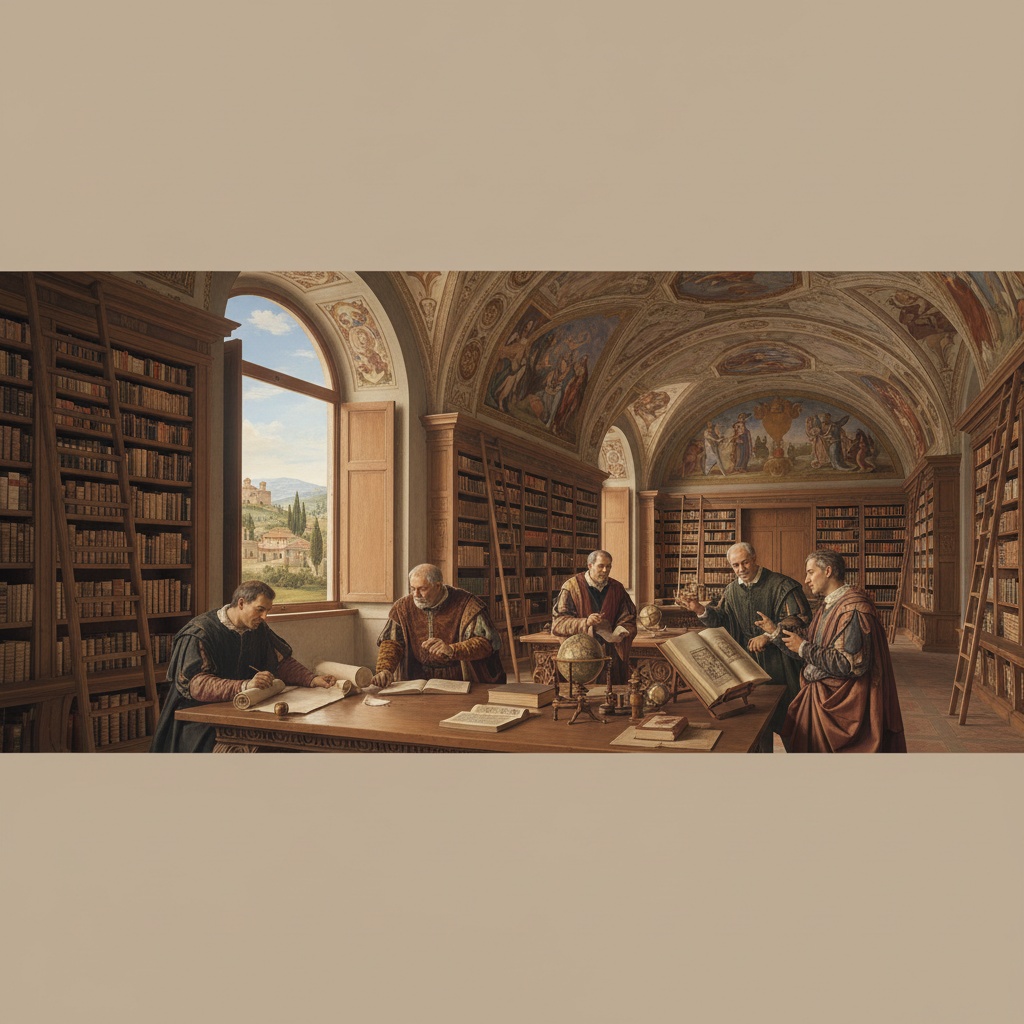
The Italian Renaissance, a period stretching roughly from the 14th to the 16th centuries, wasn’t merely a revival of classical art; it was a profound intellectual and cultural rebirth. Emerging from the societal upheavals of the Middle Ages – marked by plague, famine, and religious conflict – Italy found itself uniquely positioned to rediscover the wisdom of antiquity. This rediscovery, however, wasn't simply about replicating Greek and Roman forms. It sparked a new philosophical movement: Humanism. At its core, Humanism shifted focus from divine matters to the potential and agency of humankind. Scholars like Petrarch, often hailed as the “father of Humanism,” championed the study of classical texts not for theological validation but for their inherent beauty, ethical insights, and understanding of human experience. This emphasis on *studia humanitatis* – grammar, rhetoric, poetry, history, and moral philosophy – laid the groundwork for a new worldview that celebrated earthly life and individual achievement. The burgeoning merchant class in Italian city-states like Florence provided crucial patronage, fostering an environment where artists were no longer solely commissioned by the Church but also by wealthy families eager to demonstrate their cultural sophistication and civic pride.
Florence as the Epicenter: Artistic Innovation and Patronage
Florence, nestled in the heart of Tuscany, served as the crucible for this artistic revolution. The city’s economic prosperity, fueled by banking and trade, created a fertile ground for innovation. The Medici family, particularly Cosimo de' Medici, became renowned patrons of the arts, commissioning works from some of the most gifted artists of the era. Their support wasn’t merely financial; they actively cultivated a courtly atmosphere that encouraged experimentation and intellectual exchange. Artists like Donatello revolutionized sculpture with his realistic depictions of human form, drawing inspiration from classical models but imbuing them with a newfound psychological depth. Brunelleschi's groundbreaking dome for Florence Cathedral stands as a testament to Renaissance engineering prowess and a symbol of the city’s ambition. This period witnessed a shift in artistic status; artists were no longer considered mere craftsmen but intellectuals – individuals capable of profound creative vision. The competitive spirit among Florentine workshops further spurred innovation, leading to rapid advancements in technique and style.
Anatomy, Perspective, and Realism: The Pursuit of Scientific Accuracy in Renaissance Art
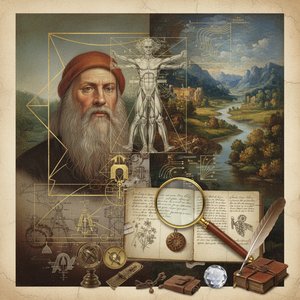
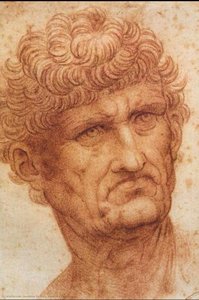
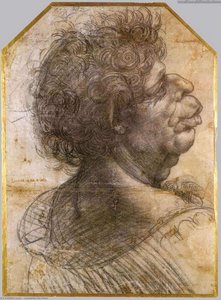
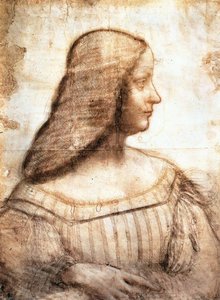
A defining characteristic of Renaissance art is its relentless pursuit of realism. This wasn’t simply about meticulous detail; it was rooted in a deep understanding of the natural world. Artists like Leonardo da Vinci embarked on detailed anatomical studies, dissecting human bodies to accurately depict musculature, bone structure, and movement. His drawings, such as those found in his notebooks, reveal an almost scientific obsession with the mechanics of the human form. Simultaneously, artists developed sophisticated techniques for representing depth and space. Linear perspective, pioneered by Brunelleschi and formalized by Alberti, allowed painters to create convincingly illusionistic scenes on a two-dimensional surface. This newfound ability to accurately represent three-dimensional reality wasn’t merely a technical achievement; it reflected the Humanist belief in the importance of observation and empirical knowledge. The use of *sfumato*, perfected by Leonardo, further enhanced realism through subtle gradations of light and shadow, creating an atmospheric effect that softened outlines and added depth.
Key Masters and Their Masterpieces: Leonardo, Michelangelo, and Raphael
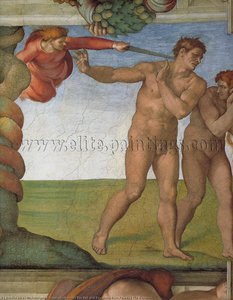 Genesis The Fall and Expulsion from Paradise The Expulsion
Michelangelo Buonarroti, born in Caprese Michelangelo in 1475, was a titan of the High Renaissance, renowned for sculpting masterpieces like David and Pietà alongside his unparalleled fresco artistry on the Sistine Chapel ceiling. His dedication to a...
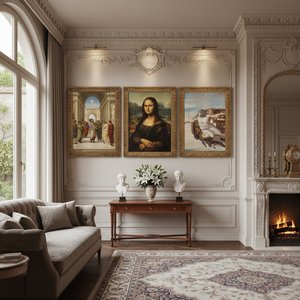
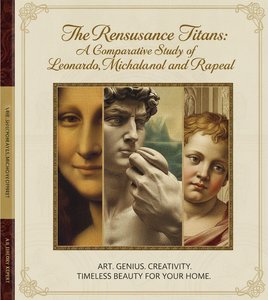
The High Renaissance – roughly the late 15th and early 16th centuries – saw the emergence of three artistic giants: Leonardo da Vinci, Michelangelo Buonarroti, and Raphael Sanzio. Leonardo, a true polymath, excelled in painting, sculpture, engineering, architecture, botany, geology, and anatomy. His *Mona Lisa* remains an enigma, captivating viewers with its subtle smile and psychological complexity. Michelangelo, renowned for his sculptures like *David* and the *Pietà*, possessed unparalleled skill in depicting the human form with anatomical accuracy and emotive power. His frescoes on the Sistine Chapel ceiling are a testament to his artistic vision and physical endurance. Raphael, celebrated for his harmonious compositions and graceful figures, embodied the classical ideals of beauty and balance. His *School of Athens* exemplifies the Renaissance synthesis of classical philosophy and Christian theology. These three masters, each with their unique style and approach, defined the High Renaissance aesthetic.
Beyond Painting: Sculpture, Architecture, and Fresco Techniques
While painting often takes center stage when discussing the Renaissance, sculpture and architecture were equally vital components of this artistic movement. Donatello’s bronze *David* marked a departure from medieval conventions, portraying a youthful hero with psychological depth and naturalism. Michelangelo's sculptures, such as his *Moses*, demonstrate an unparalleled mastery of anatomy and expressive form. In architecture, Brunelleschi’s dome for Florence Cathedral revolutionized engineering, while Alberti’s designs emphasized classical proportions and symmetry. Fresco painting, a technique involving applying pigment to wet plaster, became a dominant medium for large-scale decorative schemes. Artists like Signorelli employed dramatic foreshortening and dynamic compositions in their frescoes at Orvieto Cathedral. Correggio's innovative use of *chiaroscuro* created atmospheric effects and heightened the emotional impact of his ceiling paintings.
The Enduring Legacy: Humanism’s Influence on Western Art & Culture
 The Enduring Legacy of Renaissance Art: Innovation, Humanism & Mastery
Explore the enduring legacy of Renaissance art! Discover its historical context, humanist ideals, iconic masterpieces, and lasting influence on Western art with .
The Italian Renaissance wasn’t merely a historical period; it was a transformative moment that continues to resonate today. The emphasis on human potential, scientific observation, and artistic innovation laid the foundation for modern art and culture. Renaissance artists challenged medieval conventions, embracing realism, perspective, and anatomical accuracy. Their masterpieces continue to inspire awe and admiration centuries later. The Humanist ideals of individual achievement and civic virtue influenced political thought and social reform. The rediscovery of classical texts sparked a renewed interest in philosophy, literature, and history. ArtsDot.com offers a unique opportunity to bring the beauty and legacy of the Italian Renaissance into your home with high-quality reproductions of these iconic works, allowing you to experience firsthand the artistic brilliance of this remarkable era. Explore our collection today and discover the enduring power of Humanism.