



The Foundation of Permanence: Understanding the Structural Superiority of Wood Panels
In the grand tapestry of art history, the choice of support is never merely a matter of convenience; it is a fundamental decision that dictates the lifespan and character of the work. While the flexible canvas has become the ubiquitous standard of the modern era, there exists a profound, quiet strength in the tradition of oil on panel. Unlike the woven fibers of canvas, which are subject to the subtle undulations of humidity and the eventual fatigue of tension, the wooden panel offers an unyielding, steadfast foundation. This rigidity provides a stable stage for the artist’s most delicate maneuvers, ensuring that the surface remains remarkably consistent over centuries. The structural integrity of a well-constructed panel serves as a bulwark against the ravages of time. When an artist applies heavy layers of pigment or intricate glazes, the support must resist the slightest warping or movement. This stability is what allows for such breathtaking precision in the works of the Old Masters. To touch a historical panel is to feel a sense of permanence—a weightiness that transcends the ephemeral nature of fabric. It is this very quality of endurance that makes panel paintings the cherished treasures of museums worldwide, standing as silent witnesses to the passage of eras with their surfaces remarkably intact.A Renaissance Legacy: The Historical Evolution of Oil on Panel Technique
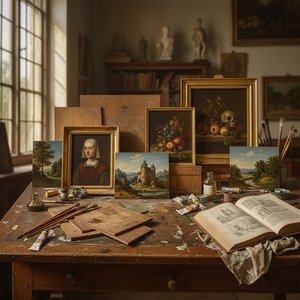
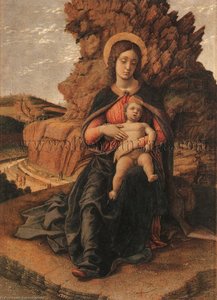
To journey through the history of oil on panel is to walk through the very corridors of the Renaissance. Before the widespread adoption of canvas, the wooden support was the primary vessel for human creativity. From the early triumphs of Northern European masters like Hubert van Eyck, whose Madonna with Canon Van der Paele showcases an almost supernatural realism, to the balanced grace of Raphael’s The Canigiani Madonna, the panel has been the essential companion to innovation. This period saw the refinement of techniques that allowed light to seemingly emanate from within the painting itself, a feat made possible by the smooth, non-absorbent nature of prepared wood. As the centuries progressed, the evolution of this medium reflected the changing aesthetic tides of Europe. The transition from tempera to oil allowed for greater fluidity and depth, yet the panel remained the preferred choice for works requiring intense detail and luminous clarity. Even as the Baroque era introduced more dramatic chiaroscuro—exemplified by the masterful light and shadow in Rembrandt’s Artist in His Studio—the rigid support continued to provide the necessary surface for such complex tonal transitions. This historical lineage is not merely a record of dates, but a testament to how a specific material can shape the very trajectory of artistic expression.Luminous Depth: Exploring the Unique Aesthetic Impact and Light Refraction of the Surface
There is a particular, ethereal quality to light when it interacts with an oil painting on panel that is difficult to replicate on any other substrate. Because the surface of a panel is exceptionally smooth, it allows the artist to apply incredibly thin, translucent glazes that act like layers of colored glass. When light penetrates these microscopic strata, it strikes the white ground of the prepared wood and reflects back through the pigment. This phenomenon creates a sense of internal radiance, an inner glow that gives skin tones their warmth and landscapes their atmospheric depth. This optical brilliance is what distinguishes a true masterpiece from a mere imitation. On canvas, the texture of the weave can occasionally interrupt the flow of light, creating a subtle diffusion. On panel, however, the light travels unimpeded, capturing every nuance of color and every delicate shift in value. This clarity allows for a level of micro-detail—the glint in an eye, the fine thread of a garment, or the soft mist of a morning sky—that feels almost hyper-real. It is this captivating interplay of light and surface that continues to enchant collectors and enthusiasts, offering a window into a world of unparalleled luminosity.Mastering the Layers: The Technical Artistry of Glazing and Impasto on Rigid Supports
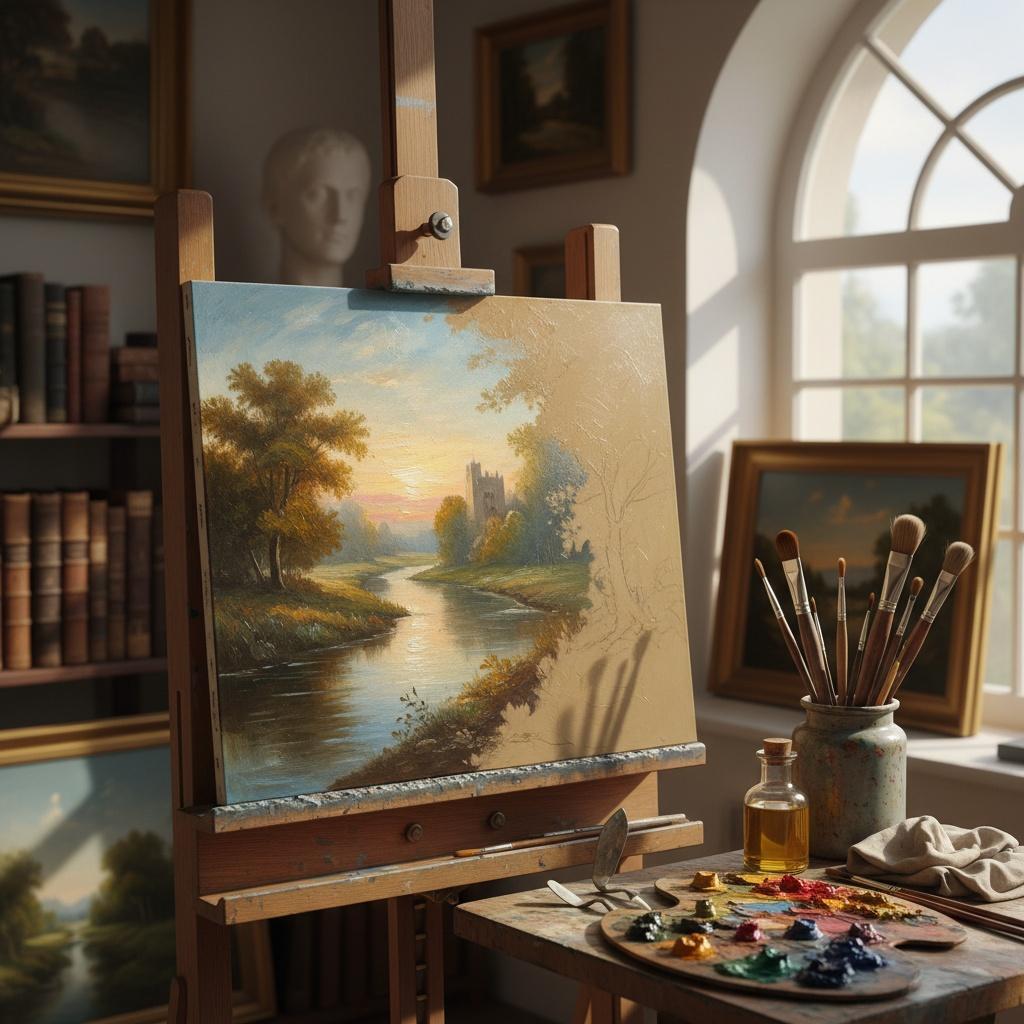
The technical mastery required to work on panel demands a disciplined approach to layering. Artists often employ a method of building up the image through successive stages, beginning with an underdrawing and moving into thin, fluid washes known as glazes. These layers are meticulously applied to build complexity without obscuring the underlying structure. However, the beauty of the medium lies in its versatility; while glazing provides depth, the rigid surface also permits the use of impasto—the thick, sculptural application of paint that creates a tactile, three-dimensional texture. This duality between the smooth and the textured is where the true soul of the painting resides. An artist might use a delicate glaze to render the soft porcelain of a face, only to follow it with a bold, energetic stroke of impasto to capture the heavy folds of a velvet cloak or the rugged bark of a tree. Because the panel does not flex, these thick ridges of paint remain securely anchored, preserving the artist's physical gesture for generations. It is this controlled tension between transparency and opacity, between smoothness and relief, that allows oil on panel to achieve such profound expressive power.Preserving the Masterpiece: Modern Conservation and the Longevity of Panel Paintings
In the contemporary era, the preservation of these historical treasures remains a paramount concern for curators and collectors alike. The primary challenge in conserving panel paintings lies in managing the natural movement of the wood itself. While panels are far more stable than canvas, they are still organic materials that respond to extreme fluctuations in environmental conditions. Modern conservation science focuses on maintaining a stable microclimate—controlling humidity and temperature—to ensure that the bond between the paint layers and the wooden support remains undisturbed. Beyond environmental control, the protection of the surface from atmospheric pollutants and light damage is essential for long-term survival. The application of high-quality varnishes, such as Damar, serves a dual purpose: it provides a protective shield against dust and moisture while also saturating the colors to maintain their original vibrancy. For those who cherish these works, understanding the chemistry of preservation is an act of reverence. By honoring the structural needs of the medium, we ensure that the luminous depth and technical brilliance of oil on panel continue to inspire awe in the hearts of future generations.At ArtsDot.com, we celebrate this enduring legacy by bringing the majesty of the Old Masters into the modern home. Whether through our meticulously handcrafted oil reproductions that capture every tactile brushstroke or our museum-quality Giclée prints, our mission is to preserve human creativity and make the timeless beauty of historical masterpieces accessible to a global audience of discerning art lovers.