The Sublime and the Scenery: Understanding Romanticism in the Scottish Highlands
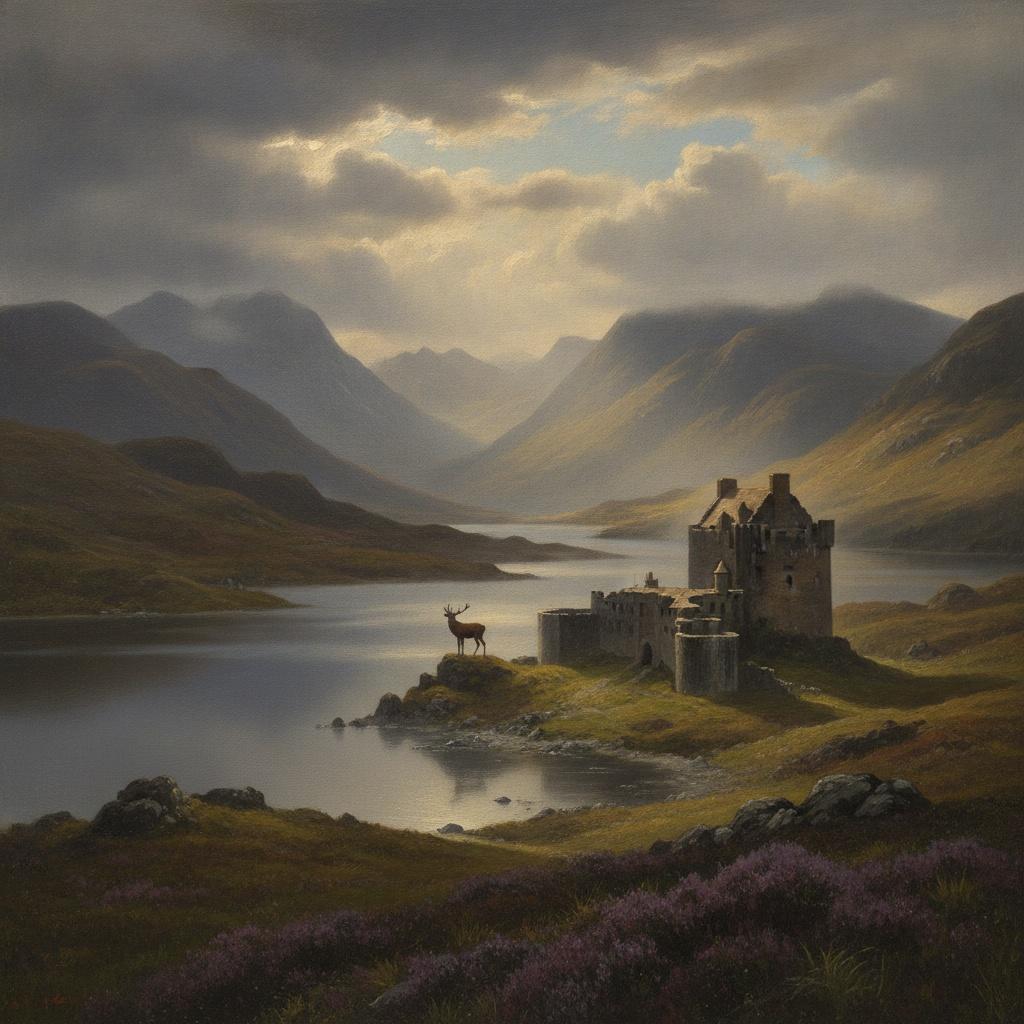
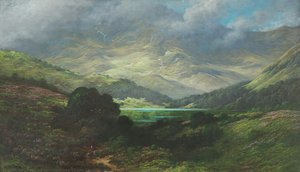
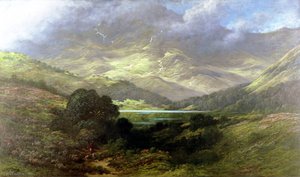
To gaze upon the rugged peaks of the Scottish Highlands through the lens of classical art is to encounter more than mere geography; it is to witness a profound dialogue between nature and the human soul. During the height of the Romantic movement, the Highlands became a primary stage for the expression of the Sublime—that specific aesthetic quality where beauty meets a sense of overwhelming, even terrifying, grandeur. Unlike the manicured gardens of the Enlightenment, the Scottish landscape offered artists a raw, untamed canvas characterized by dramatic verticality and an unpredictable temperament.
The Romantic painters sought to capture the emotional resonance of these glens and lochs, moving beyond simple topographical recording toward a deeper, more spiritual interpretation. In their work, a storm-tossed sky or a lonely, mist-shrouded mountain peak serves as a metaphor for the internal struggles of man. This era of art history transformed the Highlands from a perceived wasteland into a sacred site of inspiration, where the sheer scale of the terrain forced the viewer to confront their own insignificance in the face of eternal natural forces. It is this very tension—the delicate balance between awe and dread—that continues to draw collectors toward these evocative masterpieces.
Mist and Majesty: Analyzing Light and Atmosphere in Highland Landscapes
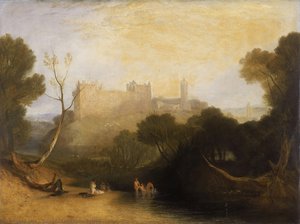
The true protagonist in any iconic Scottish landscape painting is often not the mountain itself, but the light that dances across its surface. The Highlands are defined by a mercurial atmosphere, where sunlight can pierce through heavy Atlantic clouds for mere seconds before being swallowed by shadow once more. For the master painters of the 19th century, capturing this fleeting luminosity was the ultimate technical challenge. They utilized subtle gradations of tone to replicate the way moisture-laden air softens distant ridges, creating a sense of aerial perspective that gives the canvas an almost infinite depth.
This mastery of atmosphere relies heavily on the interplay of light and shadow, often referred to as chiaroscuro in more dramatic compositions. By manipulating the way light hits a loch's surface or illuminates a patch of heather, artists could direct the viewer's eye through the composition, creating a narrative journey across the terrain. The presence of mist is particularly crucial; it acts as a compositional tool to obscure and reveal, lending an air of mystery and sanctity to the landscape. When viewing these works today, one can almost feel the dampness of the Highland air and the sudden, breathtaking clarity that follows a passing rain shower.
Mastering the Terrain: Technical Brilliance and Oil Painting Textures
The physical execution of these landscapes requires a sophisticated understanding of medium and texture. To convey the ruggedness of granite crags and the softness of mossy glens, artists frequently employed impasto techniques—the thick, sculptural application of oil paint. This method allows the light to catch the actual ridges of the paint on the canvas, mimicking the tactile reality of the earth itself. A well-executed Highland painting is not merely a visual experience but a haptic one; the visible brushstrokes provide a rhythmic energy that mirrors the wildness of the subject matter.
Furthermore, the chemistry of the oil medium plays a vital role in the longevity and depth of these works. The use of specific oils, such as safflower for lighter pigments to prevent yellowing, ensures that the pristine whites of a mountain cloud remain bright for generations. The layering process—building from thin, translucent glazes to thick, opaque highlights—creates a tonal range that a simple print can never replicate. It is this structural complexity, where every stroke contributes to the illusion of three-dimensional space, that distinguishes a true masterpiece from a mere reproduction.
From Canvas to Collection: Preserving the Legacy of Landscape Art
As we move through the centuries, the preservation of these atmospheric visions becomes a matter of cultural stewardship. The legacy of the Highland masters lives on not only in museum archives but in the private collections of those who recognize the enduring power of the Romantic tradition. Protecting such works requires an appreciation for the science of art conservation, including the use of Damar varnish to shield the surface from environmental pollutants and the importance of acid-free mounting to prevent degradation.
For the modern enthusiast, acquiring these works is an opportunity to bring a piece of history into the contemporary era. Whether through the careful curation of original pieces or the acquisition of museum-grade reproductions, the goal remains the same: to maintain the integrity of the artist's original vision. The enduring appeal of these landscapes lies in their ability to provide a window into a world of timelessness, offering a sense of permanence and grandeur that transcends the fleeting nature of modern life.
Curating the Highlands: Integrating Iconic Landscapes into Modern Interiors
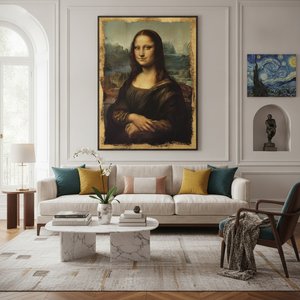
Integrating the dramatic energy of the Scottish Highlands into a contemporary interior design scheme requires a thoughtful approach to scale and color. A large-format landscape, perhaps even a multi-panel triptych, can serve as a powerful focal point in a room, commanding attention and establishing a sophisticated atmosphere. When selecting art for a modern space, consider the existing color palette; the deep greens, earthy ochres, and slate blues found in Highland paintings can be harmonized with neutral tones to create a sense of calm, or contrasted with bold, modern furniture to create a striking architectural statement.
For those seeking to enhance their environment with the prestige of the Old Masters, professional consultation can be invaluable. Expert advisors can assist in determining how light and composition will interact with your specific wall space, ensuring that the chosen artwork complements the room's architecture. By treating these paintings as foundational elements of interior design rather than mere decoration, collectors can transform a house into a curated gallery of historical significance and profound beauty.
At ArtsDot.com, we are dedicated to making these monumental moments in art history accessible to the discerning collector. Our collection focuses on the canonical masterpieces that have shaped our cultural understanding of the world. We specialize in high-quality, hand-painted oil reproductions, where skilled artists recreate the texture, brushwork, and soul of the original works on premium cotton canvas. Whether you are looking to commission a custom piece from a personal photograph or seeking a faithful reproduction of a Romantic landscape, our mission is to provide museum-grade art that preserves the majesty of the past for your modern home.