The Curated Canvas: Integrating Art History into Modern Interior Design
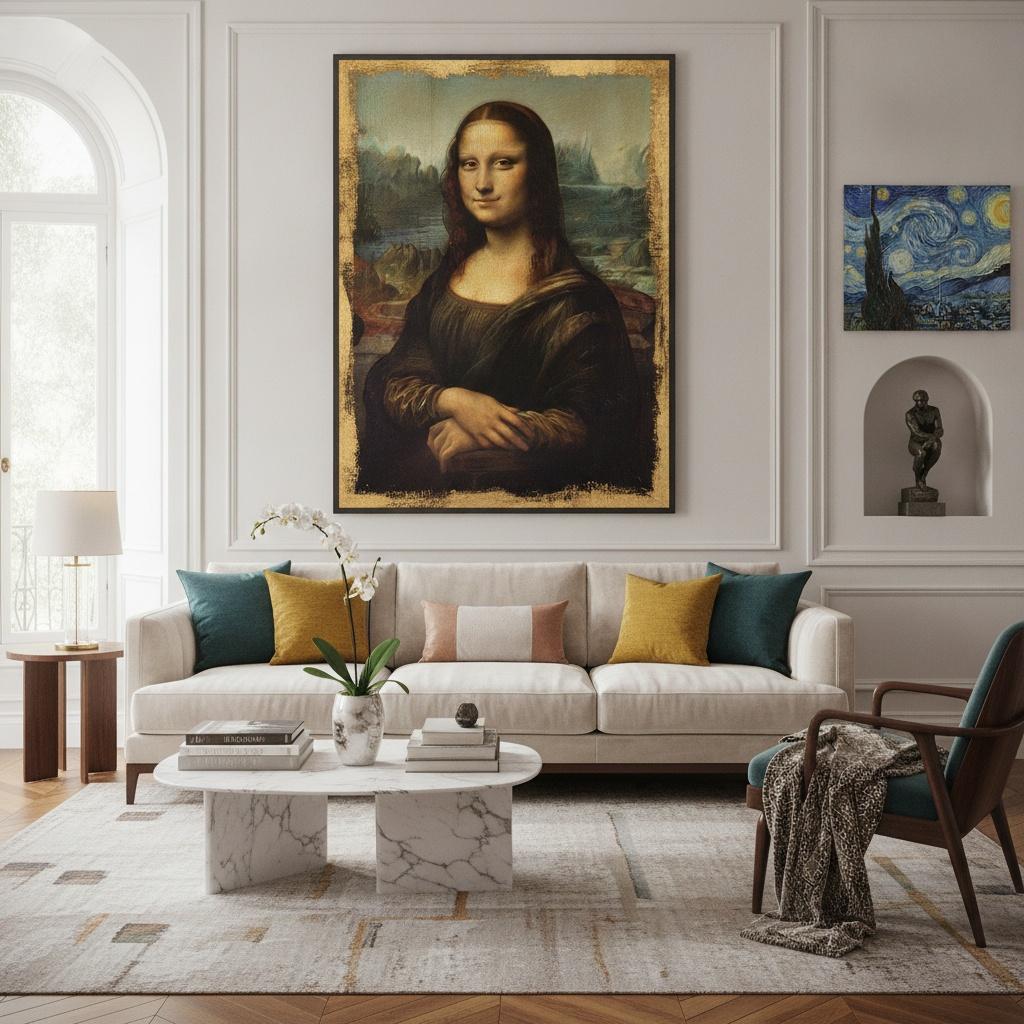
To walk through a well-appointed home is to embark on a silent dialogue with the past. The art of interior design, at its most profound level, is not merely about the arrangement of furniture or the selection of textiles, but about the curation of atmosphere and the infusion of soul into a physical space. When we introduce iconic fine art reproductions into a contemporary setting, we are doing far more than decorating; we are anchoring our modern lives to the enduring weight of human achievement. A single, well-placed reproduction of a canonical masterpiece acts as a temporal bridge, connecting the sleek lines of 21st-century architecture with the profound emotional legacies of centuries gone by.
This integration requires a delicate balance between the bold presence of the artwork and the surrounding environment. The discerning collector understands that art should not merely occupy a wall but should command the narrative of the room. By selecting pieces that resonate with the architectural rhythm of a space, one can create a sense of continuity and purpose. Whether it is a large-scale landscape providing a window into a lost era or a subtle portrait offering a moment of quiet introspection, these masterworks serve as the intellectual heartbeat of the home, transforming a mere living space into a curated gallery of personal taste and historical reverence.
From Impressionism to Post-Impressionism: Selecting Movements for Atmospheric Depth
The choice of an art movement is perhaps the most critical decision in defining the emotional temperature of a room. Consider the luminous, light-drenched world of Impressionism, where artists like Claude Monet captured the ephemeral beauty of a single moment. A reproduction such as Madame Monet in Japanese Costume brings with it the spirit of Japonisme—a cultural fusion that introduces softness, color, and a sense of rhythmic movement into an interior. These works are ideal for spaces intended to feel airy, bright, and revitalizing, as their broken brushstrokes and vibrant palettes mimic the natural play of sunlight.
In contrast, the Post-Impressionist movement offers a more structured, often more intense emotional experience. The works of Paul Cézanne, such as his Basket of Apples, introduce a sense of permanence and geometric stability through deliberate form and rich, earthy tones. For a study or a formal dining room, the structural integrity of Post-Impressionism can provide a grounding influence. Similarly, the intimate, domestic tranquility found in Jean-Edouard Vuillard’s paintings can wrap a room in a sense of warmth and nostalgia. By understanding the historical context and the psychological impact of these movements, a collector can strategically use art to dictate whether a room feels like an energetic sanctuary or a contemplative retreat.
The Tactile Dimension: The Aesthetic Superiority of Hand-Painted Oil Reproductions
In an age dominated by the flat, digital perfection of prints and posters, there is a profound, almost visceral longing for the tactile reality of the handmade. A true masterpiece reproduction is defined not by its image, but by its texture. When one examines a high-quality, hand-painted oil reproduction on 100% cotton canvas, the eye discovers a depth that no computer-generated print can replicate. The visible brushstrokes—the impasto technique where paint is applied thickly to create relief—capture light and shadow in a way that breathes life into the composition.
This physical dimension is what provides the "soul" of the artwork. In a hand-painted piece, the artist’s hand is present in every stroke, creating subtle variations and a tonal range that feels organic rather than mechanical. There is a rhythmic complexity in the way oils are layered, a process that allows for a richness of color that seems to glow from within the canvas. For the enthusiast who seeks authenticity, the choice between a flat Giclée print and a textured oil painting is the difference between observing a window and feeling the warmth of the sun through it. The presence of real pigment and the structural integrity of the paint layers ensure that the artwork possesses a sculptural quality, making it a centerpiece of true substance.
Curating a Legacy: Strategic Placement and Scale for Iconic Masterpieces
The impact of a masterpiece is profoundly influenced by its relationship to scale and placement. A common error in art curation is the underestimation of the power of scale; a small painting on an expansive, empty wall can appear lost, while a piece that is too large may overwhelm a delicate space. The most successful installations utilize the architecture of the room to frame the art. For instance, wide walls or grand staircases are ideal candidates for multi-panel layouts, where a single composition is split across three or five canvases. This "multi-panel" trend creates a modern, architectural rhythm that guides the viewer's eye through the space.
Placement also involves considering the viewer's journey. A painting intended for quiet contemplation, such as an intimate portrait, should be placed at eye level in a low-traffic area, allowing for prolonged engagement. Conversely, more dynamic works, like those capturing movement or tension, can serve as focal points in high-traffic corridors or entryways, setting an immediate tone of sophistication upon arrival. By treating the walls of a home as a curated landscape, one can use scale to create hierarchy, ensuring that certain pieces act as anchors while others serve as supporting accents within a cohesive visual narrative.
Preserving the Vision: Expert Care and Longevity for Fine Art Collections
To possess a fine art reproduction is to become a steward of history, a responsibility that necessitates an understanding of preservation. The longevity of an oil painting depends heavily on its environment and the quality of its materials. True museum-grade reproductions are crafted with scientific precision, utilizing flexible gesso to prevent cracking and specific oils, such as safflower, to ensure that whites remain pure and do not yellow over time. A final protective layer of Damar varnish serves as a shield against the invisible threats of dust, moisture, and atmospheric pollutants.
However, even the most expertly crafted work requires mindful care from its owner. To protect your investment, it is essential to avoid placing artworks in direct sunlight, which can cause pigments to fade, or in areas with extreme humidity fluctuations that might affect the tension of the canvas. Using acid-free matting and ensuring an air gap between the art and the glass of a frame can prevent moisture buildup and degradation. By adhering to these principles of preservation, the collector ensures that the vibrant colors and profound textures of their collection remain as striking for future generations as they are on the day of their arrival.
At ArtsDot.com, we specialize in bringing these historical moments into the modern home through unparalleled craftsmanship. Whether you seek a bespoke hand-painted oil reproduction or wish to transform a personal memory into a classical masterpiece, our dedication to academic excellence and museum-quality standards ensures that your collection is nothing short of legendary.