The Alchemy of Carbon: Understanding Graphite's Geological and Artistic Origins
 Graphite
Graphite () is a crystalline allotrope (form) of the element carbon. It consists of many stacked layers of graphene, typically in excess of hundreds of layers. Graphite occurs naturally and is the most stable form of carbon under standard conditions....
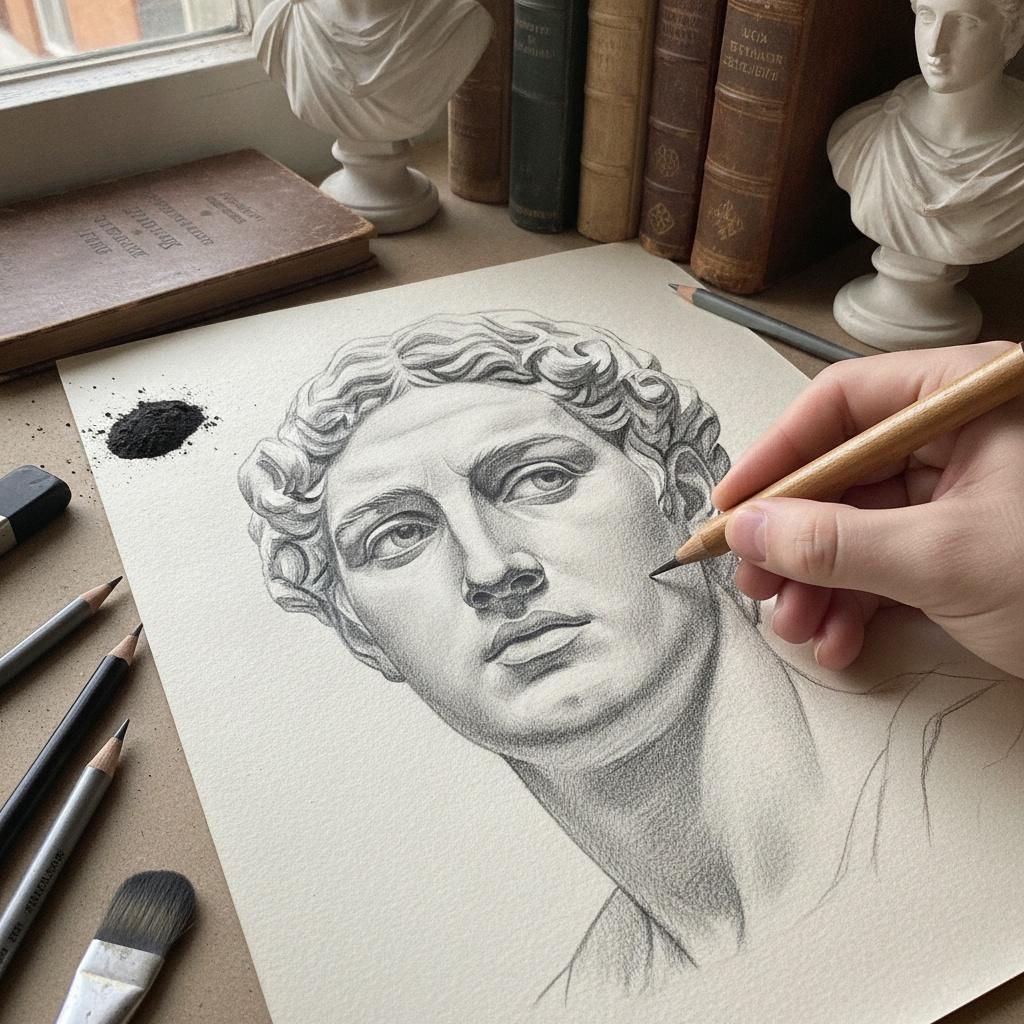
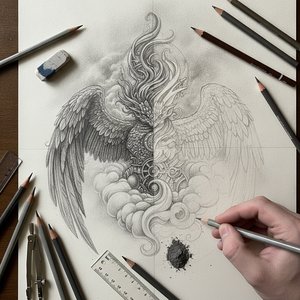
To hold a piece of graphite is to grasp a fragment of the earth’s ancient, geological memory. At its most fundamental level, graphite is a crystalline allotrope of carbon, a stable form of the element that exists in many layers of graphene stacked upon one another. This molecular architecture allows the layers to slide with effortless grace, which is precisely why the medium possesses such unparalleled smoothness on paper. Unlike the heavy, dramatic presence of charcoal or the permanent authority of ink, graphite offers a subtle, silvery spectrum that invites the artist into a delicate dance of light and shadow. Its history is one of unassuming origins blossoming into profound artistic expression; once used merely for marking sheep in 16th-century England, it has since become the primary language of precision.
The evolution of this medium is a tale of human innovation meeting natural resource scarcity. While the pure deposits of Borrowdale provided early artists with exceptional materials, the eventual depletion of these veins spurred the invention of modern graphite leads. In 1795, Nicolas-Jacques Conté revolutionized production by mixing powdered graphite with clay and firing it, a breakthrough that allowed for the creation of varying degrees of hardness. This democratization of the medium meant that the artist was no longer beholden to the whims of nature but could instead choose from a calibrated spectrum of tools. This transition from raw mineral to a refined scientific instrument transformed drawing from a preparatory necessity into an independent art form, capable of capturing the very essence of the human condition through the simple application of carbon.
The Spectrum of Light: Navigating Graphite Grades from 9H to 9B
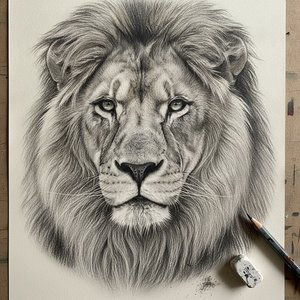 Mastering Graphite Pencil: The Ultimate Expert Guide to Achieving Depth, Texture, and Hyper-Realistic Detail
The Foundation of Precision: Selecting Your Graphite Grades and Essential Tools Every great masterpiece begins not with a stroke, but with a deliberate choice. For the aspiring artist, understanding the alchemy of graphite is the first step toward tr...
For the aspiring student or the seasoned collector, understanding the technical nuances of graphite grades is the first step toward true mastery. Every great masterpiece begins not with a stroke, but with a deliberate choice of instrument. The nomenclature of graphite—ranging from the ethereal lightness of 9H to the profound, velvety darkness of 9B—is far more than a labeling convention; it is a map of tonal possibilities. The "H" grades, characterized by their hard lead and high clay content, are the architects of the drawing. They produce fine, precise lines that sit atop the paper's surface, ideal for initial structural studies, delicate textures, and the subtle mapping of light.
As one moves toward the center of the spectrum, the "B" grades introduce a softer, more buttery texture. These pencils, rich in graphite and low in clay, allow for the accumulation of darker, more saturated tones. A 2B or 4B pencil is the workhorse of the portraitist, capable of rendering the soft transition of skin or the deep recesses of a shadow. However, navigating this spectrum requires an understanding of pressure and layering; to rely solely on dark pencils is to risk a muddy, indistinct composition. True technical mastery lies in the ability to layer hard, light strokes with soft, dark ones, building a structural foundation that can support the weight of profound darkness without losing the clarity of the initial design.
Chiaroscuro and the Soul of the Line: Mastering Contrast and Depth
Chiaroscuro (disambiguation)Chiaroscuro, meaning "light-dark" in Italian, is the use of contrast between light and dark in art. Chiaroscuro may also refer to: == Comics == Chiaroscuro (comics), various comics, including: Chiaroscuro (2000 AD), a 2000 AD horror comic series Chia...
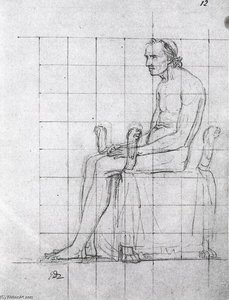
The true magic of graphite is realized through the application of Chiarosculturo—the Italian concept of "light-dark." This technique is not merely about creating contrast; it is about using the interplay of light and shadow to sculpt form out of a two-dimensional plane. In the hands of a master, a simple line ceases to be a boundary and becomes a vessel for emotion. When we examine the works of Renaissance masters like Albrecht Dürer, we see how the meticulous application of line and shadow can transform a portrait into a living presence. Through the careful manipulation of value, an artist can breathe life into a face, capturing the weathered texture of skin or the intellectual weight behind a gaze.
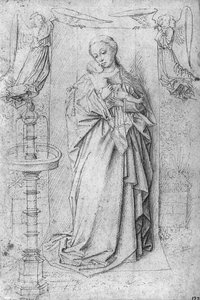
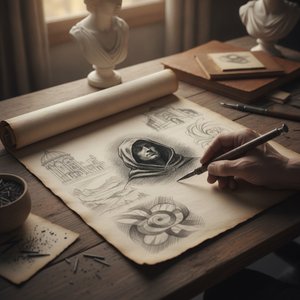
Mastering this contrast requires a disciplined eye for the subtle shifts in tone that define volume. It is in the transition from the brightest highlight to the deepest shadow where the "soul" of the drawing resides. This process demands an intense study of light—an exercise in seeing rather than merely looking. By utilizing the full range of graphite, an artist can create a sense of three-dimensional weight, making objects appear to emerge from the paper into the viewer's space. This is where the medium transcends mere representation and enters the realm of the profound, using the starkness of black and white to evoke complex human experiences, much like the evocative, monochromatic sketches found in the historical archives of the Kupferstichkabinett.
From Sketch to Masterpiece: The Evolution of Observational Drawing Techniques
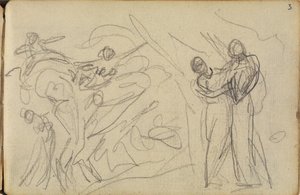 Sketch 160
George Romney’s "Sketch 160" captures dynamic figures in a loose pencil study. Explore expressive sketching & raw energy of this Victorian-era artwork – a unique piece for art collectors.
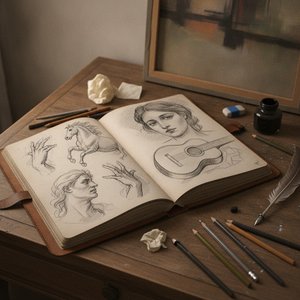
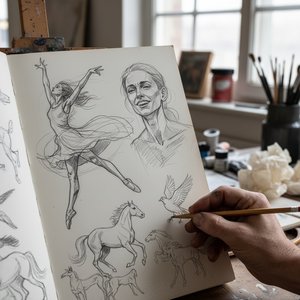
The journey from a raw, energetic sketch to a finished, hyper-realistic masterpiece is an evolutionary process that mirrors the artist's own growth. Early studies, such as George Romney’s dynamic pencil sketches, often capture a sense of raw energy and movement through loose, expressive marks. These preliminary stages are vital; they are the "living, breathing ecosystem" of creativity, where the artist explores composition, gesture, and the fundamental relationship between subject and space. In these moments, the artist is not concerned with perfection but with the capture of life itself—the fleeting tension in a limb or the subtle shift in a posture.
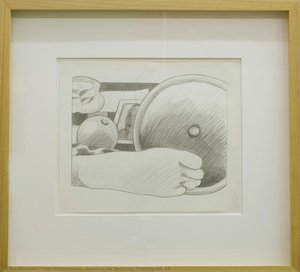
As the drawing progresses, the technique shifts from the gestural to the observational. The focus moves toward the meticulous rendering of detail and texture. This stage requires a transition from the broad strokes of the "sketch" to the controlled precision of the "drawing." We see this evolution in the works of contemporary artists like Oscar Farmer or Oliver Le Broquent, who utilize the intimacy of the pencil to distill complex emotions into deceptly simple forms. The challenge for the student is to maintain the initial energy of the sketch while imposing the rigorous discipline of academic draughtsmanship. It is a delicate balance between the spontaneous and the calculated, where every added layer of graphite serves to refine the truth of the subject.
Preserving the Mark: Technical Mastery in Contemporary Pencil Artistry
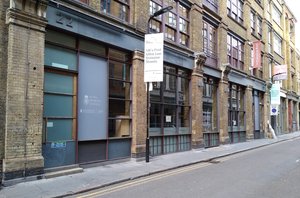 Royal Drawing School
The Soul of the Line: Discovering the Royal Drawing School In the heart of Shoreditch, where the industrial grit of London meets a burgeoning contemporary spirit, lies a sanctuary dedicated to the most fundamental of artistic acts: the act of seeing....
In our modern era, the practice of observational drawing remains a sanctuary for those seeking truth in an increasingly digital world. Institutions like the Royal Drawing School continue to champion the fundamental act of seeing, emphasizing that the slow, deliberate movement of graphite across paper is an essential human endeavor. Today's masters of the medium are not merely replicating reality; they are using the technical properties of graphite—its ability to be smudged, layered, and etched—to explore new frontiers of texture and depth. The contemporary pencil artist must be part scientist, understanding the chemistry of the medium, and part poet, understanding its emotional resonance.
To preserve this legacy, one must respect both the material and the method. The longevity of a graphite work depends on the careful management of the paper's tooth and the prevention of smudging through proper layering and fixatives. As we look toward the future of art, where technology and tradition intersect, the fundamental skill of graphite mastery remains unchanged. Whether one is admiring a centuries-old print in Berlin or commissioning a custom, hand-painted oil reproduction that captures the spirit of a historical masterpiece, the core principles of light, shadow, and precision remain the eternal pillars of fine art. At ArtsDot.com, we celebrate this enduring legacy by bringing the world's most iconic works to life through the dedicated hands of master artists, ensuring that the profound beauty of the Old Masters continues to inspire generations to come.