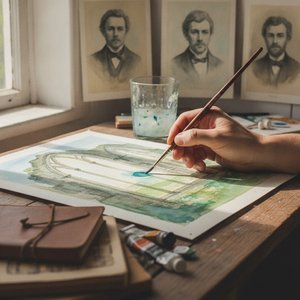
The Alchemy of Pigment: Understanding Transparency and Light in Watercolor
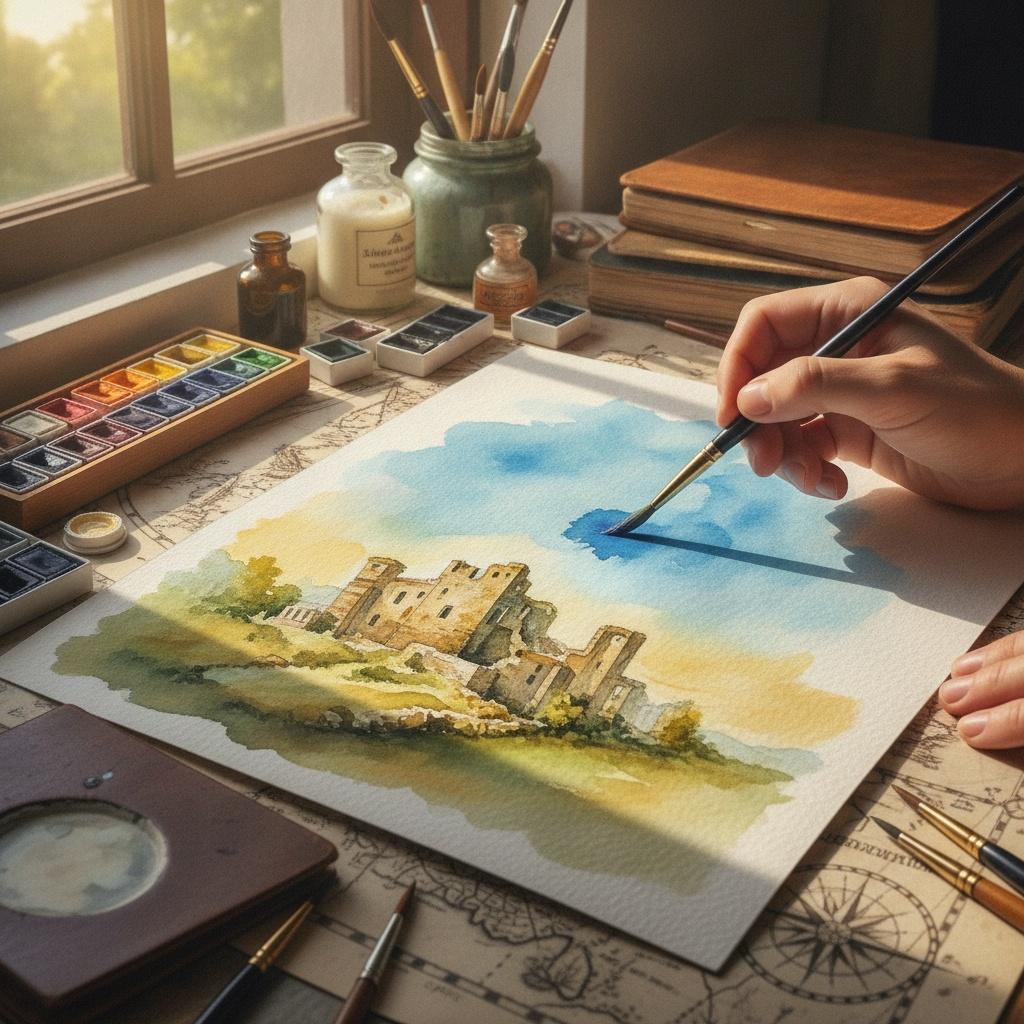
To understand watercolor is to enter into a delicate dialogue with light itself. Unlike the opaque, commanding presence of oil paint, which builds a physical topography of pigment upon the canvas, watercolor operates through a principle of luminous surrender. At its most fundamental level, the medium is an exercise in controlled fluidity—a dance between pigment, water, and the pristine white of the paper beneath. The true magic of this medium lies in its inherent transparency; when a wash of color is applied, the light does not merely strike the surface and stop. Instead, it penetrates the thin veil of pigment, reflects off the white fibers of the paper, and travels back to the viewer’s eye, carrying with it an inner radiance that few other mediums can replicate.
This luminosity is achieved through the careful management of layers, or washes. Each subsequent layer must be applied with a profound respect for what lies beneath, allowing the previous colors to shimmer through the new. This creates a sense of depth that feels atmospheric rather than structural. When an artist masters this alchemy, they are not merely painting a subject; they are capturing the very essence of air and atmosphere. The challenge, however, is immense, as the medium demands a high degree of precision and foresight. Once a pigment is introduced to the paper, its movement is dictated by the moisture it inhabits, making every brushstroke a permanent decision in the pursuit of capturing that fleeting, ethereal glow.
A Chronological Journey: From Medieval Illuminations to the Golden Age of British Landscapes
 Ephemeral Visions: Exploring the History & Emotional Resonance of Watercolor Painting
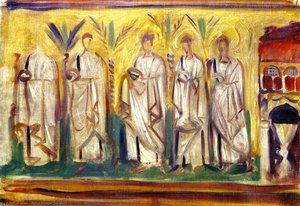
A History Rooted in Antiquity: From Manuscript Illumination to Early Modern Practice Wikipedia: Watercolor painting Watercolor (American English) or watercolour (Commonwealth English; see spelling differences), also aquarelle (French: [akwaʁɛl]; from...
The lineage of watercolor is as profound and enduring as the landscapes it so often depicts. While many associate the medium with the spontaneous sketches of the nineteenth century, its roots are deeply embedded in the sacred traditions of antiquity. Long before it was a celebrated independent art form, watercolor found its voice within the meticulous world of medieval manuscript illumination. Monks and scribes, working in quiet devotion, utilized vibrant hues derived from finely ground minerals and organic matter, bound with gum arabic to bring religious texts to a state of visual splendor. In these illuminated manuscripts, the medium served as a vessel for the divine, where every delicate stroke was an act of spiritual reverence.
As history progressed through the Renaissance, the role of watercolor shifted toward the scientific and the preparatory. The great masters, such as Albrecht Dürer, utilized the medium’s precision to document the intricate details of the natural world, creating botanical studies that were as much scientific investigations as they were works of art. However, it was during the eighteenth and nineteenth centuries that watercolor truly ascended to its modern status. In England, a particular flowering occurred, fueled by the Romantic movement's obsession with the sublime beauty of nature. This era saw the rise of a distinctly British aesthetic, characterized by soft atmospheric perspectives and a celebration of the picturesque. Watercolor became the primary language for documenting the changing landscapes of a nation, evolving from a tool for documentation into a powerful medium capable of expressing profound emotional resonance and national identity.
Masters of the Wash: Analyzing the Techniques of Turner, Sargent, and the Impressionist Influence
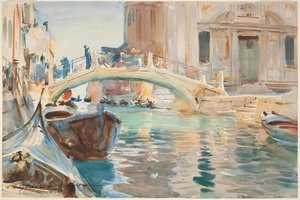 San Giuseppe di Castello
San Giuseppe di Castello: A Hidden Venetian Gem Discover a captivating artistic haven in the heart of Venice – San Giuseppe di Castello. This museum offers a unique and intimate experience for art lovers, particularly those drawn to the delicate beau...
The history of watercolor is punctuated by individual geniuses who pushed the boundaries of what the medium could express. Perhaps no artist embodies the revolutionary potential of watercolor more than J.M.W. Turner. His works were not merely landscapes; they were elemental experiences. Turner utilized the fluidity of the medium to dissolve solid forms into swirling mists, light, and storm, pushing the limits of abstraction long before the term was popularized. Through his mastery of the wash, he captured the terrifying grandeur of the sea and the ephemeral quality of sunlight breaking through clouds, proving that watercolor could possess a weight and drama previously reserved for oil painting.
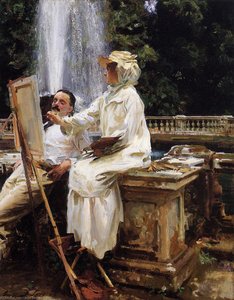
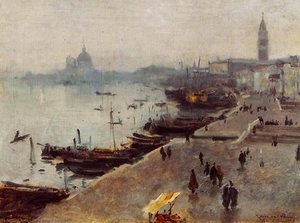
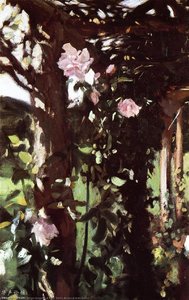
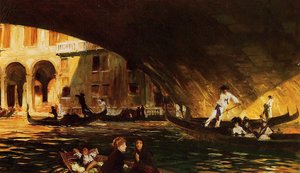
In a different vein, the American master John Singer Sargent brought a vibrant, modern energy to the medium. His Venetian watercolors, often celebrated in collections such as those found at San Giuseppe di Castello, demonstrate an unparalleled sensitivity to light and color. Sargent’s technique was characterized by a brilliant economy of stroke—capturing the dappled shade beneath a cypress tree or the rosy glow of a sunset with remarkable confidence. This approach resonated deeply with the burgeoning Impressionist movement, which championed the capture of fleeting moments. Later artists, such as Jill Christine Ibrom, continued this legacy by blending the meticulous detail of the Victorian style with the light-drenched sensibilities of Monet and Renoir. These masters collectively transformed watercolor from a medium of study into a medium of profound, atmospheric expression, where the brushstroke itself becomes a vehicle for emotion.
The Science of Fluidity: Essential Methods for Controlling Water, Paper, and Pigment
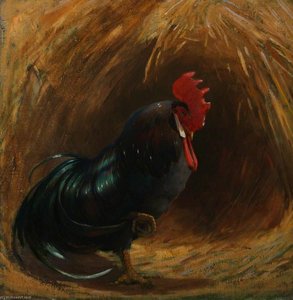 lindsay grandison macarthur
Lindsay Grandison MacArthur (1866 – 1945): A Watercolorist Capturing the Soul of Nature Lindsay Grandison MacArthur (1866 – 1945) stands as a remarkable figure in American watercolor painting, recognized for her ability to translate the grandeur and ...
To master watercolor is to master the science of moisture. The artist must navigate a complex triad of variables: the viscosity of the pigment, the volume of water on the brush, and the absorbency of the paper. One of the most fundamental techniques is the "wet-on-wet" method, where pigment is applied to a pre-moistened surface. This allows colors to bleed and bloom into one another, creating soft, indeterminate edges that are perfect for depicting skies, water, or distant mountains. It requires immense control; too much water, and the composition dissolves into chaos; too little, and the desired softness is lost.
Conversely, the "wet-on-dry" technique offers the artist precision and structure. By applying pigment to dry paper, one can achieve sharp edges and fine details, essential for botanical illustrations or architectural renderings, as seen in the works of Lindsay Grandison MacArthur. This method also allows for the building of glazes—thin, transparent layers that gradually deepen the tonal range of a piece. Furthermore, the artist must understand the "resist" techniques, such as using masking fluid or even simple wax to preserve the white of the paper, much like the highlights in a classical portrait. The ability to manipulate these states of moisture is what separates a mere sketch from a true watercolor masterpiece, allowing for a sophisticated interplay between defined form and atmospheric diffusion.
Preserving the Ephemeral: The Art of Collecting and Protecting Watercolor Masterpieces
 Watercolor Wonders: 10 Masterpieces That Redefined Art History | ArtsDot
Introduction Imagine a world painted with light itself – delicate washes blooming across paper, capturing fleeting moments and profound emotions with an intimacy few mediums can achieve. For centuries, watercolor was often relegated to the realm of s...
For the connoisseur and the collector, watercolor presents a unique set of responsibilities. Because the medium relies so heavily on the pristine state of the paper and the delicate layers of pigment, it is inherently more sensitive to environmental factors than oil painting. Light, moisture, and acidity are the primary adversaries of the watercolorist's work. Prolonged exposure to direct sunlight can cause pigments to fade—a process known as lightfastness degradation—while fluctuations in humidity can lead to warping or the growth of mold within the paper fibers.
To preserve these ephemeral visions for future generations, professional conservation standards must be observed. Collectors should ideally house watercolors in acid-free mats and behind UV-protective glass to create a stable micro-environment. Furthermore, the use of high-quality, archival mounting techniques ensures that the paper remains flat and free from structural stress. At
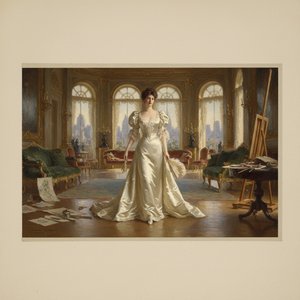
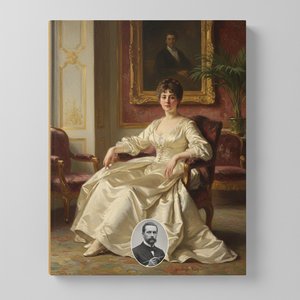
ArtsDot.com, we understand this reverence for art history. We specialize in providing museum-quality reproductions that honor the technical brilliance of the masters. Whether you seek a hand-painted oil reproduction that captures the tactile impasto of a great landscape or a high-fidelity Giclée print of a delicate Sargent wash, our mission is to bring the majesty of the Old Masters into your home with the utmost care and academic integrity. From custom commissions that transform personal memories into classical masterpieces to large-scale murals for architectural spaces, we ensure that the light and transparency of watercolor's greatest era can be cherished indefinitely.