The Essence of Botanical Realism: A Symphony of Nature and Precision
To gaze upon a masterpiece of botanical realism is to enter into a silent, profound dialogue with the natural world. It is an art form that transcends mere decoration, seeking instead to capture the very breath of life held within a petal or the structural integrity of a stem. Unlike the sweeping, emotive gestures of Impressionism, botanical realism demands a disciplined devotion to truth. It is a genre where the artist acts as both poet and scientist, translating the ephemeral beauty of a blooming flower into a permanent, tactile reality. This pursuit of precision creates a symphony of textures—the velvet softness of a rose, the waxy sheen of a tropical leaf, and the delicate translucency of a morning dewdrop—all rendered with such fidelity that the viewer feels an almost visceral connection to the subject.
At its heart, this style celebrates the intricate architecture of life. Every vein in a leaf and every subtle gradient of color serves as a testament to the complexity of our ecosystem. There is a meditative quality to this level of detail; it invites the observer to slow down, to linger on the minute details that are often overlooked in the rush of daily existence. In these paintings, nature is not merely depicted; it is unveiled, layer by exquisite layer, revealing a world of hidden wonders that exist just beneath the surface of our perception.
Victorian Botanicals: The Legacy of Marianne North and the Golden Age of Discovery
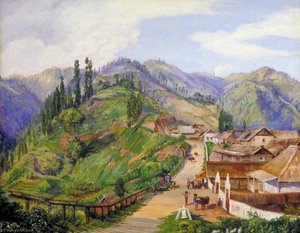
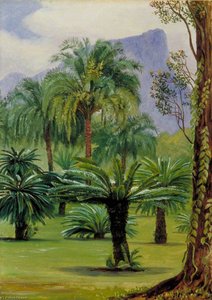
The history of botanical art is inextricably linked to the era of great exploration, a time when the boundaries of the known world were being expanded by intrepid travelers and naturalists. Perhaps no figure embodies this romantic intersection of adventure and artistry more than Marianne North. A true pioneer of the Victorian era, North traveled extensively across the globe, from the lush landscapes of Borneo to the vibrant terrains of South Africa and Tasmania, documenting flora that was previously unknown to European eyes.
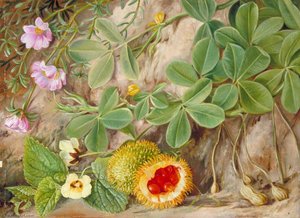
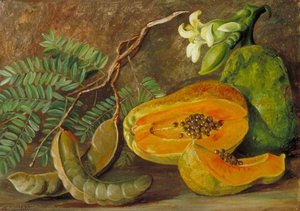
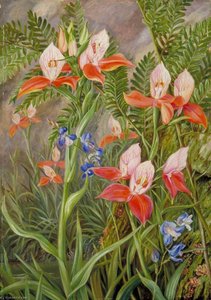
Her works, such as A Cultivated Crinum, Painted in Borneo and Foliage, Flowers and Fruit of an African Tree, are more than mere illustrations; they are vibrant, oil-painted chronicles of discovery. Unlike the sterile, white-background studies typical of scientific herbariums, North’s approach embraced the context of the environment. She captured the layered textures of tropical thickets and the sun-drenched vitality of Australian shrubs, such as her Berry Bearing Tasmanian Shrubs. Her legacy lies in this ability to infuse scientific accuracy with a profound sense of place and atmosphere, creating a visual record that remains as breathtakingly relevant today as it was in the nineteenth century. Through her eyes, we do not just see a plant; we experience the very spirit of the landscapes she traversed.
The Art of Observation: Technical Mastery in Floral Oil Painting
Achieving the profound depth found in botanical realism requires more than just a keen eye; it demands an extraordinary command of oil painting techniques. The mastery lies in the manipulation of light and the strategic application of pigment to create the illusion of three-dimensional form on a two-dimensional canvas. Artists utilize various methods, such as glazing—the application of thin, transparent layers of color—to build up a luminous depth that mimics the natural translucency of organic matter. This technique allows light to pass through the paint layers and reflect back, creating a glow that seems to emanative from within the flower itself.
Furthermore, the use of impasto, or thick, textured brushstrokes, can be employed to give physical weight to certain elements, such as the rugged bark of a tree or the heavy center of a sunflower. The interplay between smooth, blended transitions and deliberate, visible textures creates a dynamic visual tension that keeps the eye moving across the composition. This technical rigor ensures that the painting possesses a "soul"—a tactile quality that distinguishes a true oil reproduction from a flat digital print. It is through this meticulous layering of oils and the careful selection of pigments—such as using safflower oils for whites to prevent unwanted yellowing—that the artist preserves the pristine integrity of the botanical subject for generations.
Botanical Art in Modern Interiors: Bringing the Garden Indoors
In the contemporary home, where urban life often distances us from the rhythms of the earth, botanical art serves as a vital bridge to the natural world. Integrating these classical works into modern interior design offers a way to infuse a space with timeless elegance and organic warmth. A large-scale botanical mural or a series of multi-panel paintings can transform a sterile room into a sanctuary of tranquility. The structured beauty of floral realism complements various design aesthetics, from the sophisticated minimalism of a modern gallery-style apartment to the rich, layered textures of a traditional manor.
The versatility of botanical art allows for creative "remixing" within an interior scheme. One might choose a single, striking centerpiece to anchor a room, or use a collection of smaller works to create a curated gallery wall that tells a story of global flora. Because these pieces are rooted in natural color palettes—deep forest greens, soft petal pinks, and earthy ochres—they possess an inherent ability to harmonize with existing decor. By bringing the garden indoors, we do more than decorate; we cultivate an environment of peace, reminding ourselves of the enduring beauty that exists in every bloom and every leaf.
Preserving the Bloom: The Longevity and Care of Fine Art Reproductions
To possess a fine art reproduction is to become a steward of history. Because these works are often created using traditional methods—hand-painted on 100% cotton canvas with professional-grade varnishes like Damar—they are built to endure. However, the preservation of such beauty requires an understanding of the chemistry of art. To ensure that the vibrant pigments and delicate glazes remain as striking as the day they were painted, one must protect them from the most common environmental aggressors: direct sunlight and extreme humidity.
Properly framing a piece is also essential for long-term conservation. Using acid-free matting creates a necessary air gap between the artwork and the glass, preventing moisture buildup that could lead to foxing or pigment degradation. For those who prefer the modern look of an extended wrap, ensuring the canvas is stretched on properly braced stretcher bars will prevent warping over time. When treated with respect and housed in a stable environment, these botanical masterpieces serve as lasting legacies, allowing the timeless beauty of nature to flourish within your collection for decades to come.
At ArtsDot.com, we are dedicated to making this level of fine art accessible to collectors worldwide. From bespoke hand-painted oil reproductions that capture every brushstroke of the Old Masters to custom commissions that transform your personal memories into museum-quality treasures, our mission is to preserve human creativity for a modern audience. Whether you are seeking a single botanical study or a large-scale architectural fresco, our master artists bring academic excellence to every canvas, ensuring that the elegance of the past continues to illuminate the homes of the future.