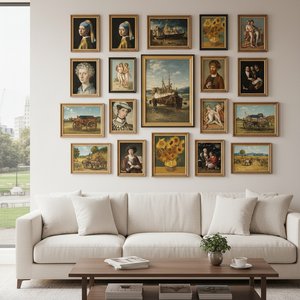
The Tactile Dimension: Defining Physical and Visual Texture in Fine Art
 Texture (visual arts)
In the visual arts, texture refers to the perceived surface quality of a work of art. It is an element found in both two-dimensional and three-dimensional designs, and it is characterized by its visual and physical properties. The use of texture, in ...
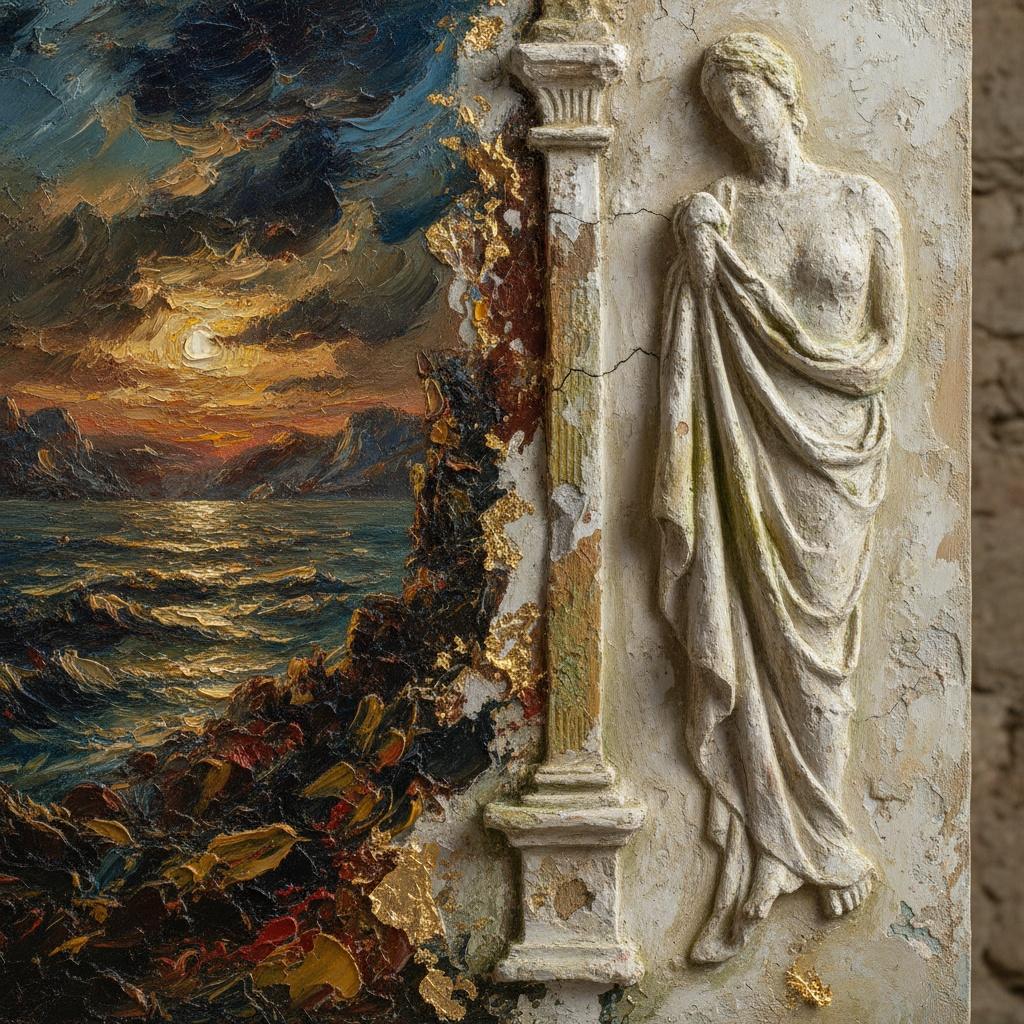
To encounter a masterpiece is to engage in a silent, sensory dialogue that extends far beyond the mere observation of color or composition. In the realm of fine art, texture serves as one of the most fundamental elements, acting as the bridge between the artist's intention and the viewer's perception. When we speak of texture, we navigate two distinct yet intertwined worlds: the physical and the visual. Physical texture, often referred to as actual or tactile texture, refers to the tangible, three-dimensional variations found on a solid surface. It is the roughness of a weathered canvas, the grain of wood, or the raised ridges of dried pigment that one might feel if permitted to touch the work. This physical presence imbue an artwork with a sense of materiality, transforming a flat plane into a sculptural object.
Conversely, visual texture—or implied texture—is a masterful illusion created by the artist to deceive the eye. Through delicate shading, precise line work, and subtle tonal shifts, a painter can evoke the softness of silk, the coldness of marble, or the ephemeral lightness of mist on a summer morning without ever leaving the surface smooth. The interplay between these two forms of texture is what gives a painting its soul. While visual texture captures the essence of the subject, physical texture provides the structural weight that anchors the work in reality. Understanding this distinction allows the true enthusiast to appreciate how an artist manipulates the very surface of their medium to communicate depth, weight, and atmosphere.
The Sculptural Canvas: The Emotional Resonance of the Impasto Technique
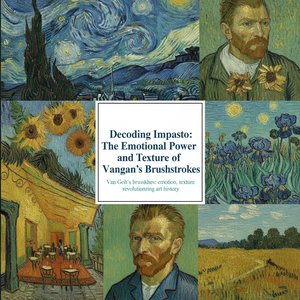
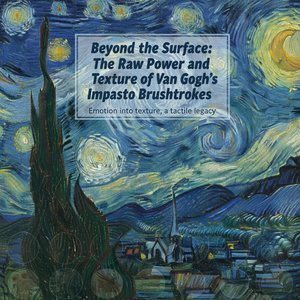 Beyond the Surface: The Raw Power and Texture of Van Gogh's Impasto Brushstrokes
The Sculptural Canvas: Defining the Impasto Technique Impasto - MoMA --- title: Impasto | MoMA author: Robert Kastler; Jonathan Muzikar; Kurt Heumiller url: https://www.moma.org/collection/terms/impasto hostname: moma.org description: An Italian word...
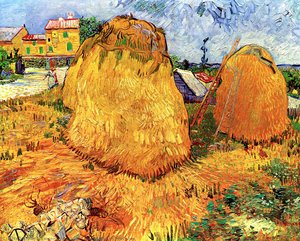
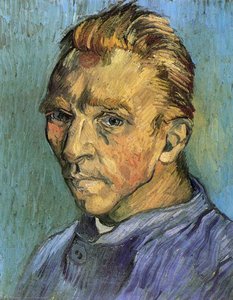
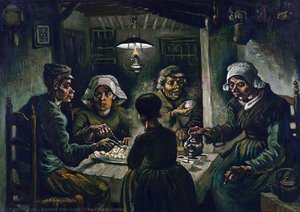
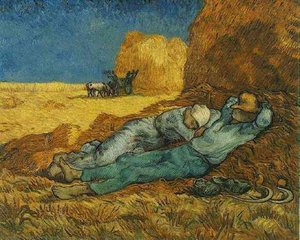
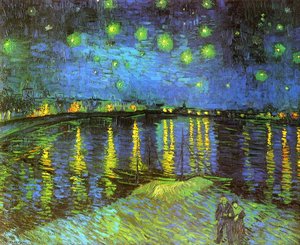
There is a profound intimacy found in the impasto technique, a method where paint is applied in thick, heavy layers that transcend the boundaries of two-dimensional representation. Derived from the Italian word for "mixture," impasto transforms the canvas into a sculptural landscape. When we observe the works of masters like Vincent van Gogh, we are not merely viewing a depiction of a night sky; we are witnessing a physical struggle rendered in pigment. The heavy, rhythmic strokes of impasto carry the residue of the artist's movement, capturing a specific moment in time through the very thickness of the paint. Each ridge and valley created by the brush or palette knife catches the light, creating a dynamic surface that changes as the viewer moves around the piece.
This technique serves as a powerful vehicle for emotional expression. The visceral energy of thick, swirling paint can convey turbulence, passion, or even spiritual ecstasy. In the hands of a Post-Impressionist, the paint becomes more than a medium; it becomes an extension of the artist's psyche. The physical relief of the impasto creates shadows within the painting itself, adding a layer of complexity that a flat surface could never achieve. To stand before such a work is to feel the pulse of the creator, as the heavy application of color provides a sense of urgency and raw, unadulterated emotion that resonates deeply within the observer.
Beyond the Surface: How Post-Impressionists Reimagined Form and Materiality
 Post-Impressionism
Post-Impressionism (also spelled Postimpressionism) was a predominantly French art movement which developed roughly between 1886 and 1905, from the last Impressionist exhibition to the birth of Fauvism. Post-Impressionism emerged as a reaction agains...
The transition from Impressionism to Post-Impressionism marked a revolutionary departure from the purely optical concerns of capturing fleeting light. While the Impressionists sought to dissolve form into atmosphere, the Post-Impressionists—including luminaries such as Paul Cézanne and Georges Seurat—began to question the limitations of naturalism. They sought something more profound: an expression of inner emotion, symbolic meaning, and a deeper engagement with structure. This movement was characterized by a newfound interest in materiality and the deliberate use of texture to redefine how we perceive the world around us.
Paul Cézanne, for instance, approached the canvas with a relentless pursuit of capturing the essence of form through a method that felt almost architectural. He did not simply paint what he saw; he wrestled with how objects resonated within the space between observation and memory. By utilizing structured brushstrokes and focusing on the solidity of objects, he moved away from the ephemeral and toward the permanent. His landscapes are not merely picturesque vistas but studies in volume and geometric stability. This era of art history taught us that texture could be used to impose order upon chaos, using the physical weight of paint to build a world that is as much about structural truth as it and is about visual beauty.
Light and Relief: The Interplay of Shadow, Texture, and Viewer Perception
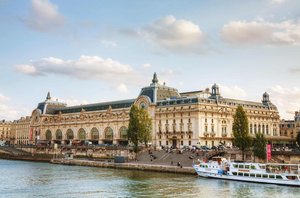 Musée d'Orsay
A Sanctuary of Light: Unveiling the Musée d'Orsay Nestled along the banks of the Seine in the heart of Paris, the Musée d’Orsay is far more than a mere repository for historical artifacts; it is an immersive journey through time and artistic revoluti...
The perception of texture is inextricably linked to the behavior of light. Light acts as the ultimate revelator in art, illuminating the peaks and casting shadows into the troughs of a textured surface. On a smooth, glazed surface, light may glide across the work, creating a sense of calm and stillness. However, on a highly textured or impasto-heavy surface, light becomes an active participant in the composition. Strong, directional lighting can accentuate the relief of the paint, creating pronounced contrasts that emphasize the ruggedness of the brushwork.
This interplay is crucial for the viewer's engagement with the work. A highly textured surface creates a visually active effect, where the eye is constantly drawn to the shifting highlights and deep shadows. This movement prevents the eye from resting too easily, encouraging a deeper, more contemplative exploration of the painting's surface. In museums like the Musée d'Orsay or the Musée de l'Orangerie, one can see how the masters utilized this phenomenon to create atmosphere. Whether it is the shimmering reflections in Monet’s water lilies or the heavy, undulating skies of Van Gogh, the way light interacts with the physical texture of the paint is what breathes life into the masterpiece, making the art feel as though it is breathing alongside the viewer.
Preserving the Master's Touch: Bringing Texture into the Modern Interior
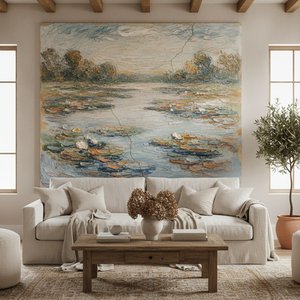 The Tactile Soul of Impressionism: Elevating Interiors with the Depth of Impasto and Plaster Art
The Poetry of Paint: Understanding the Emotional Resonance of Impasto To truly encounter a masterpiece is to move beyond the mere observation of color and enter into a silent dialogue with the artist’s very touch. For those of us who have spent decad...
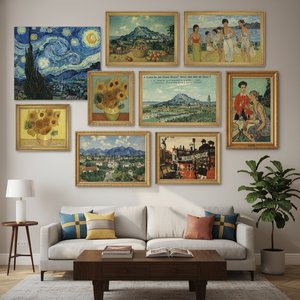
In the modern era, the desire to surround oneself with the depth and history of the Old Masters remains a powerful impulse for collectors and enthusiasts alike. The challenge, however, lies in finding ways to bring this tactile richness into contemporary living spaces without losing the authentic essence of the original works. This is where the art of high-quality reproduction becomes essential. A true hand-painted oil reproduction, such as those curated by ArtsDot.com, offers much more than a mere visual likeness; it offers the physical soul of the painting.
Unlike mass-produced prints or digital posters, which are flat and lack depth, a professional oil reproduction captures the visible brushstrokes and the sculptural quality of the impasto technique. These works are meticulously crafted on 100% cotton canvas, using layers of pigment that mimic the original's texture and tonal range. For those looking to transform their homes with the grandeur of a museum-grade piece, these reproductions provide an opportunity to experience the heavy, rhythmic energy of Post-Impressionism or the structured elegance of the classics. Whether through a large-scale multi-panel set for a grand hallway or a custom "remixed" portrait that brings a personal memory into the style of a master, bringing texture into your interior is about more than decoration—it is about inviting the profound, tactile history of human creativity into your daily life.