


The Unyielding Foundation: A Historical Survey of Wood as an Artistic Support
 Panel painting
A panel painting is a painting made on a flat panel of wood, either a single piece or a number of pieces joined together. Until canvas became the more popular support medium in the 16th century, panel painting was the normal method, when not painting...
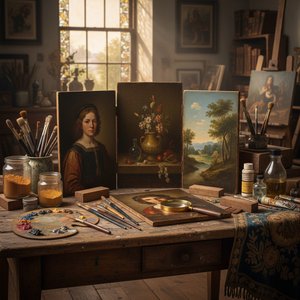
To walk through the hallowed halls of a great museum is to encounter more than mere images; it is to engage in a silent, profound dialogue with the very bones of history. Long before the expansive embrace of canvas became the ubiquitous standard of the modern era, the wooden panel reigned supreme as the foundational support for human expression. This choice of support was never merely a matter of convenience; it was a fundamental decision that dictated both the lifespan and the very character of a masterpiece. From the earliest surviving fragments in ancient Greece to the monumental altarpiements of the Middle Ages, wood provided a stability that allowed for the most meticulous of details.
The history of panel painting is one interwoven with religious devotion and technical innovation. In the Byzantine tradition, wood was the essential stage for Icons, providing a sacred permanence that flexible cloth could never offer. As we look back toward the 6th century BC or the Imperial Roman period, we see that while many ancient works have succumbed to time, the surviving fragments—such as the Fayum mummy portraits—remind us of a time when the artist sought to capture the eternal on a surface that refused to yield. This unyielding foundation allowed for a sense of profound, quiet strength, creating an anchor in an increasingly digital and ephemeral world.
Technical Mastery: The Structural Advantages of Panel over Canvas
 Oil painting
Oil painting is a painting method involving the procedure of painting with pigments combined with a drying oil as the binder. It has been the most common technique for artistic painting on canvas, wood panel, or copper for several centuries. The adva...
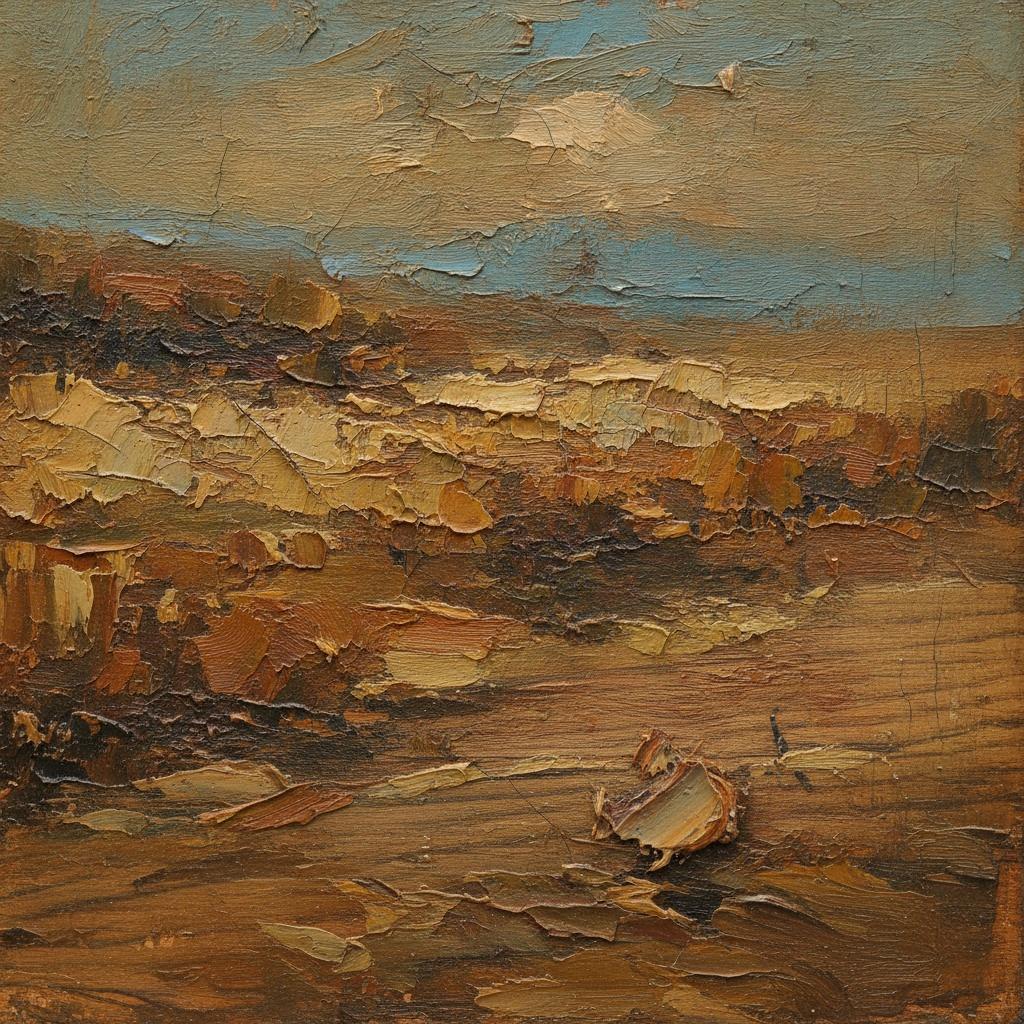
While we often envision the grand, sweeping canvases of the Renaissance or the textured expanses of Impressionism stretched across heavy frames, there exists a more intimate, concentrated form of genius found in oil on panel. The technical distinction between these two supports is significant. Unlike the flexible fibers of canvas, which are subject to the subtle undulations of humidity and the eventual fatigue of tension, the wooden panel offers an unyielding, steadfast foundation. This rigidity serves as a stable stage for the artist’s most delicate maneuvers, ensuring that the surface remains remarkably consistent over centuries.
Because the surface does not yield or stretch like canvas, every brushstroke feels more permanent, and every layer of pigment more dense. There is a certain structural integrity to these works; they possess a unique, concentrated energy. In the hands of a master, the wood allows for a level of precision that feels almost supernatural—capturing the glint of light on a silk sleeve or the haunting depth of a shadow with surgical accuracy. This stability was the high-tech medium of its time, allowing artists to push the boundaries of what could be rendered with clarity and permanence.
Luminous Depth: How the Rigid Surface Enhances Oil Glazing and Detail
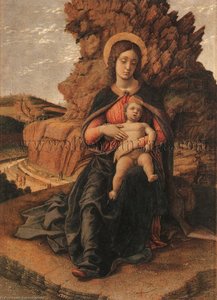
 The Canigiani Madonna, Oil on panel, 131 x -
The Canigiani Madonna: A Glimpse of Renaissance Grace Raphael’s “Canigiani Madonna,” painted around 1507, is more than just a religious depiction; it's a window into the heart of High Renaissance ideals. Housed within the esteemed Alte Pinakothek in ...
The true magic of oil on panel lies in its ability to facilitate a luminous depth that canvas simply cannot replicate. The smooth, unyielding nature of a prepared wood surface provides the perfect stage for sfumato and fine glazes. Artists could build incredibly thin, translucent layers of pigment, allowing light to pass through the paint, reflect off the white ground, and return to the viewer’s eye with a glow that seems to emanate from within the very fibers of the substrate.
This technique is what gives Renaissance masterpieces their ethereal quality. When we observe works like Raphael’s Canigiani Madonna, we are witnessing the mastery of form and color enabled by this medium. The ability to apply delicate glazes without the fear of the paint settling into the weave of a fabric allows for a clarity of detail that is piercingly sharp. Every layer of oil is a calculated pursuit of truth, creating a window into a world of serene beauty where light and shadow dance with unparalleled grace.
From Altarpieces to Intimate Portraits: Iconic Masterpieces on Panel
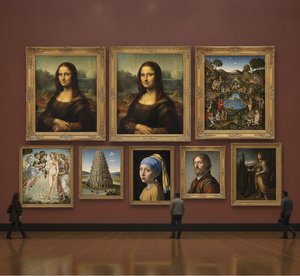 10 Iconic Oil on Panel Masterpieces That Redefined Art History
Introduction To step into the presence of a true masterpiece is to engage in a silent, profound dialogue with history. While we often envision the grand, sweeping canvases of the Renaissance or the textured expanses of Impressionism stretched across ...
The versatility of the panel medium allowed it to traverse the spectrum from the monumental to the miniature. In the Northern Renaissance, wood panels were used to create massive, complex altarpiears that served as the spiritual heart of cathedrals. Yet, the same medium was equally at home in the creation of intimate, psychological portraits. Consider the Trompe-l'œil brilliance of Carel Fabritius’s The Goldfinch. This small, exquisite work uses the density of the panel to create an illusion so potent it almost transcends the physical plane.
Whether it is the religious fervor found in the Ghent Altarpiece or the social commentary in Daumier’s Les Joueurs d'échec, the panel has always been a preferred medium for those seeking to capture the divine and the human alike. These works served as windows to new worlds, carrying the cultural revolutions of their eras directly into the homes of the elite and the altars of the faithful. At ArtsDot.com, we celebrate this diversity, offering hand-painted reproductions that allow you to bring this concentrated energy and historical weight into your own contemporary space.
Preserving the Eternal: The Longevity and Durability of the Medium
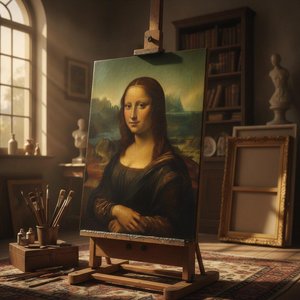 Mastering the Surface: A Historical and Technical Guide to the Art of Oil on Panel Painting
The Unyielding Foundation: A History of Wood as an Artistic Support Oil on Panel: A Historical Survey of Technique, Support, and Aesthetic Impact The Enduring Appeal of Wood: A Historical Overview of Panel Painting Wikipedia: Panel painting A panel p...
In our hyper-digital, fast-scrolling world, there is something deeply grounding about the tactile reality of a panel painting. These works are built for endurance. The very characteristics that make them beautiful—the density of the pigment and the strength of the support—are what have allowed them to survive through centuries of political shifts and environmental changes. The wood provides a sense of continuity, acting as an anchor for human history.
To preserve such beauty, the chemistry of art is paramount. Just as historical masters used specific oils and resins to protect their work, our artisans at ArtsDot.com utilize modern advancements to ensure longevity. We use flexible gesso to prevent cracking and finish every hand-painted oil reproduction with a coat of Damar varnish, protecting the surface from dust, moisture, and atmospheric pollutants for generations. Whether you are seeking a museum-quality reproduction of a Renaissance treasure or a custom "remix" of a personal memory, we strive to maintain the academic excellence and structural integrity that defines the great masters of the past.