



The Unyielding Foundation: A History of Wood as an Artistic Support
 Oil on Panel: A Historical Survey of Technique, Support, and Aesthetic Impact
The Enduring Appeal of Wood: A Historical Overview of Panel Painting Wikipedia: Panel painting A panel painting is a painting made on a flat panel of wood, either a single piece or a number of pieces joined together. Until canvas became the more popu...
In the grand, sweeping tapestry of art history, the choice of support is never merely a matter of convenience; it is a fundamental decision that dictates both the lifespan and the very character of a masterpiece. Long before the expansive embrace of canvas became the ubiquitous standard of the modern era, the wooden panel reigned supreme as the foundational support for human expression. To look upon a historical panel is to encounter a sense of profound, quiet strength. Unlike the flexible fibers of canvas, which are subject to the subtle undulations of humidity and the eventual fatigue of tension, the wooden panel offers an unyielding, steadfast foundation.
The story of the panel is one interwoven with religious devotion and technical innovation. From the earliest surviving fragments in ancient Greece to the monumental altarpieces of the Middle Ages, wood provided a stability that allowed for the most meticulous of details. This rigidity served as a stable stage for the artist’s most delicate maneuvers, ensuring that the surface remained remarkably consistent over centuries. When we stand before these works today, we are not merely looking at images; we are touching the enduring legacy of a medium that sought to capture the eternal on a surface that refused to yield.
From Tempera to Oil: The Technical Revolution of the Northern Renaissance
 Oil painting
Oil painting is a painting method involving the procedure of painting with pigments combined with a drying oil as the binder. It has been the most common technique for artistic painting on canvas, wood panel, or copper for several centuries. The adva...
The transition from the brittle nature of egg tempera to the luminous depth of oil paint represents one of the most significant shifts in the history of Western art. For centuries, particularly within the Byzantine and Gothic traditions, tempera was the standard. While it allowed for vibrant color, its rapid drying time and lack of blending capabilities presented a formidable challenge to those seeking to capture soft transitions or atmospheric depth. It was in Northern Europe, during the 15th century, that a quiet revolution began to unfold.
As artists experimented with various drying oils—such as linseed, walnut, and poppy seed oil—they unlocked a new dimension of light and color. This era, often associated with the Early Netherlandish masters, saw the gradual refinement of oil-based paints, allowing for richer hues, greater flexibility, and the use of translucent layers. This shift was not an overnight transformation but a meticulous evolution of technique. The ability to layer thin glazes over a prepared surface allowed artists to achieve a jewel-latex precision, creating works that seemed to glow from within, as if the light itself were trapped beneath the pigment.
Structural Integrity and Aesthetics: The Unique Advantages of Panel Painting
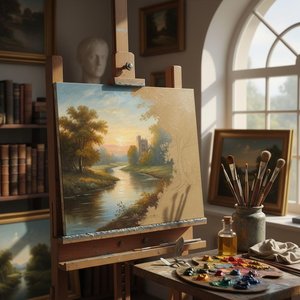 Mastering the Surface: The Timeless Elegance and Technical Brilliance of Oil on Panel Painting
The Foundation of Permanence: Understanding the Structural Superiority of Wood Panels In the grand tapestry of art history, the choice of support is never merely a matter of convenience; it is a fundamental decision that dictates the lifespan and cha...
The aesthetic impact of oil on panel is inextricably linked to its structural superiority. Because wood does not expand and contract with the same volatility as woven fabric, it allows for a level of precision that is almost supernatural. This stability is what permits the breathtaking detail found in the works of the Old Masters, where a single hair from a brush might define the texture of a velvet robe or the glint in a subject's eye. The inherent grain of the wood was often not ignored but subtly incorporated into the composition, influencing the depiction of landscape elements or the flow of drapery.
Furthermore, the panel allows for a unique density of paint application. While canvas excels at large-scale, sweeping gestures, the panel invites an intimacy that is focused and intense. It provides a surface where heavy layers of pigment can be applied without the fear of the support sagging or warping under the weight. This creates a sense of permanence—a weightiness that transcends the ephemeral nature of fabric. To encounter a well-preserved panel is to experience a window into the soul of the creator, rendered with a clarity that has remained remarkably intact through the passage of eras.
Mastering the Layers: Glazing, Impasto, and Pigment Application on Rigid Surfaces
 Oil on Panel Masters: 10 Paintings That Revolutionized Art |
Introduction Imagine standing before a canvas—not vast and imposing, but intimate, focused, rendered with an almost jewel-like precision on wood. For centuries, the oil on panel technique wasn’t merely a medium; it was a portal to another world, a te...
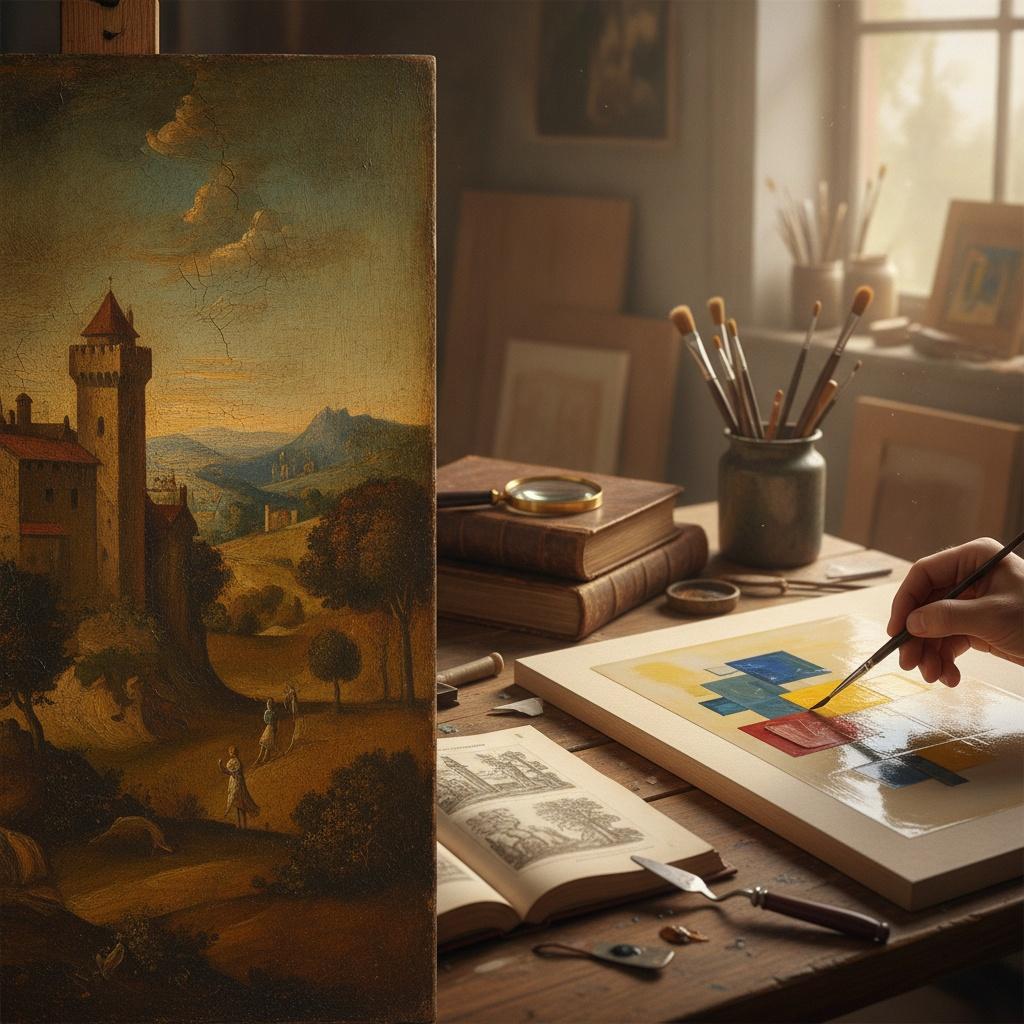
To master the surface of a panel is to understand the delicate chemistry of light and medium. The technique often begins with a meticulously prepared ground, a layer of gesso that creates a smooth, white, and absorbent base. Upon this stage, the artist performs a complex dance of impasto and glazing. The impasto technique involves applying thick, textured paint to catch the light, creating physical relief on the surface, while glazing involves the application of thin, transparent layers of oil-rich pigment.
This layering process is where the true magic of oil on panel resides. By stacking translucent glazes, an artist can manipulate how light penetrates the paint film and reflects back to the viewer's eye, creating a sense of depth and luminosity that is impossible to achieve with single-layer applications. This method allows for a wider range from light to dark, enabling the subtle gradations of shadow known as sfumato. Whether it is the soft, smoky transitions in a Da Vinci portrait or the intense, saturated colors of a Northern European altarpiece, the technique relies on the artist's ability to control the drying time and transparency of each successive layer.
Preserving the Legacy: The Longevity and Durability of Oil on Panel
 Oil on Panel: A Historical Survey of Technique, Support & Aesthetic Evolution
The Dawn of Panel Painting: From Ancient Origins to Medieval Innovations Wikipedia: Renaissance art Renaissance art (1350 – 1620) is the painting, sculpture, and decorative arts of the period of European history known as the Renaissance, which emerge...
The enduring appeal of oil on panel lies in its capacity for preservation. A well-constructed panel, made from stable woods such as oak, poplar, or walnut and joined with precision, serves as a bulewark against the ravages of time. The structural integrity of the support ensures that the intricate glazes and heavy pigments remain bonded to their foundation, resisting the cracking and flaking that can plague more flexible supports.
Modern preservation efforts continue to marvel at how these surfaces remain remarkably intact. When finished with a protective coat of Damar varnish, the painting is shielded from dust, moisture, and atmospheric pollutants. This protection ensures that the pigments remain vibrant for generations, allowing us to witness the same brilliance today that the artist intended centuries ago. It is this very quality of endurance—this refusal to fade or falter—that makes panel paintings the cherished treasures of museums worldwide, standing as silent, magnificent witnesses to the history of human creativity.
At ArtsDot.com, we share this profound reverence for the technical brilliance of the Old Masters. We specialize in bringing these historical marvels into the modern home through museum-quality, hand-painted reproductions. Our master artists, each a specialist in their respective genres, use traditional techniques to recreate the texture, depth, and soul of these iconic works on premium surfaces. Whether you seek a breathtaking oil on canvas or wish to explore the intimate precision of a panel-style composition, our collection offers a portal to the past, meticulously crafted for the discerning collector.