




The Rise of Emotional Realism: Beyond Technical Skill
Contemporary art is a term used to describe the art of today, generally referring to art created from the 1970s onwards. Contemporary artists work in a globally influenced, culturally diverse, and technologically advancing world. Their art is a dynam...
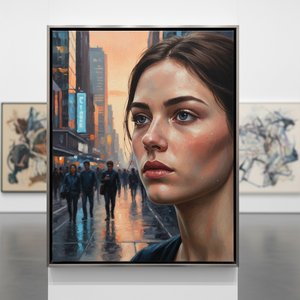
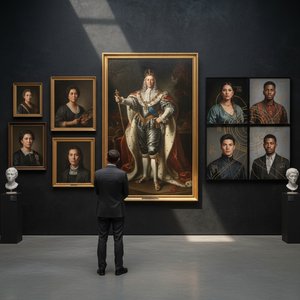
For centuries, portraiture served as a testament to status, power, and lineage. Yet, the 21st century has witnessed a subtle but profound shift in its purpose – a move beyond mere representation towards an exploration of inner life. This is the realm of emotional realism, a current within contemporary art that prioritizes presence, vulnerability, and truth over technical perfection. It’s not simply about *how* accurately an artist depicts a likeness, but rather *what* they reveal beneath the surface. While photorealism strives for objective imitation, emotional realism seeks subjective resonance, inviting viewers into a shared space of feeling. This isn't a rejection of skill – quite the opposite; it demands a mastery of technique to convey nuance and subtlety, but that skill is deployed in service of psychological depth rather than optical fidelity. The most compelling works aren’t simply seen; they are *felt*, evoking empathy and prompting introspection.
Historical Precursors: From Caravaggio to Klimt – Seeds of Intimacy
The roots of this approach extend far back into art history, though rarely explicitly labeled as such. Consider the dramatic chiaroscuro of Caravaggio, whose paintings weren’t merely depictions of biblical scenes but visceral explorations of human emotion—the anguish of grief, the weight of faith, the raw physicality of existence. His figures aren't idealized; they are profoundly *human*, flaws and all. Fast forward to the Symbolist movement, and we find artists like Gustav Klimt delving into the psychological states of his subjects. While known for opulent ornamentation, Klimt’s portraits – such as “Reclining Girl (Juliet); Two Studies of Hands” – reveal a delicate sensitivity to inner life, a sense of longing and vulnerability that transcends mere physical representation. Rembrandt van Rijn, with his masterful use of light and shadow, similarly captured the interiority of his sitters, offering glimpses into their thoughts and emotions. These artists understood that true portraiture wasn’t about capturing an image but revealing a soul – a principle that resonates deeply within contemporary emotional realism.
Contemporary Masters: Defining Voices in Portraiture (Domi, Desiderio, Whitehurst)
Today, several artists are leading the charge in this movement. Max Domi's poignant work centers on family portraits and memory, imbued with a quiet intensity that speaks to universal experiences of love, loss, and connection. His canvases aren’t grand statements; they are intimate glimpses into personal histories, rendered with remarkable sensitivity. Vincent Desiderio similarly explores the complexities of familial relationships, often depicting sleep scenes or moments of quiet contemplation. His realism is unflinching, capturing raw emotion without sentimentality. Camelia Whitehurst offers a unique blend of realism and dreamlike imagery, creating surreal scenes that explore themes of identity and transformation. Her portraits are captivating narratives, inviting viewers to question the boundaries between reality and imagination. These artists, each with their distinct style, share a common commitment to emotional truth—a willingness to delve beneath the surface and reveal the complexities of the human experience.
The Psychology of the Gaze: Connecting with Subject and Viewer
Central to emotional realism is the power of the gaze. It’s not merely about *being* looked at, but about the reciprocal exchange between subject and viewer. A skilled artist understands how subtle shifts in expression—a slight furrow of the brow, a fleeting glance, the dilation of pupils—can convey volumes. This connection isn't accidental; it’s carefully cultivated through meticulous observation and masterful technique. The eyes, often referred to as “the windows to the soul,” become focal points, drawing viewers into the emotional world of the sitter. Gerhard Richter’s “S. with Child” exemplifies this power—the newborn’s gaze is both innocent and knowing, inviting a profound sense of empathy and connection. This ability to forge a direct link between subject and viewer is what distinguishes emotional realism from other forms of portraiture.
Materials & Methods: Achieving Depth Through Tonal Nuance and Texture
The pursuit of emotional depth often dictates the artist’s choice of materials and methods. Many practitioners favor oil paint for its versatility and ability to create rich, nuanced textures. The layering process—building up thin glazes over time—allows for subtle shifts in tone and color, creating a sense of atmosphere and depth. Edward Povey's work exemplifies this approach; his distinctive palette, reminiscent of altarpieces, underscores the vulnerability and mortality of his subjects. Others embrace monochrome palettes, stripping away distraction to focus on gesture and emotional nuance. Lee Wilde’s practice demonstrates how the absence of color can amplify intimacy and invite reflection. Regardless of the specific medium, the emphasis is always on achieving a sense of authenticity—visible brushstrokes, textures that mimic skin, and a commitment to capturing the subtleties of light and shadow.
Collecting Emotional Realism: Investing in Narrative and Lasting Impact
As with any art form, collecting emotional realism requires discernment. Look beyond technical skill and seek works that resonate with you on a deeper level—paintings that evoke empathy, prompt introspection, or tell compelling stories. Consider the artist’s background, their unique approach to portraiture, and their place within the broader contemporary art landscape. Investing in emotional realism isn't simply about acquiring an object; it’s about supporting artists who are pushing boundaries and exploring the complexities of the human experience. These works have a lasting impact—they aren’t fleeting trends but enduring testaments to our shared humanity. At ArtsDot, we offer a curated selection of handmade oil paintings and museum-quality prints, allowing you to bring these captivating narratives into your home. Explore our collection today and discover the power of emotional realism.