
Early Life & Artistic Foundations: Shaping a Vision
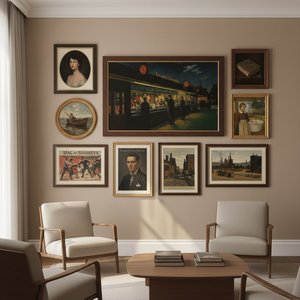
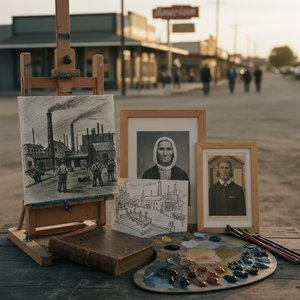
Norman Percevel Rockwell’s story isn't simply that of a painter; it’s the chronicle of an American ideal, meticulously rendered onto canvas and magazine covers for nearly half a century. Born in New York City in 1894, his early life wasn’t marked by immediate artistic prodigy, but rather a determined pursuit of passion. Though often romanticized as a natural talent, Rockwell's beginnings were rooted in diligent study – first at the Chase Art School, then the National Academy of Design and finally the Art Students League. These formative years weren’t solely about mastering technique; they instilled a deep appreciation for narrative storytelling, a quality that would become the hallmark of his work. His initial commissions for publications like St. Nicholas Magazine provided crucial early experience, honing his ability to capture childhood scenes with both charm and authenticity. Even then, a nascent talent for portraying relatable moments – the mischievous grin, the quiet contemplation – was evident. This period wasn’t merely about building a portfolio; it was about cultivating an understanding of what resonated with the American public, a sensitivity that would define his career trajectory.
The Saturday Evening Post Years: Capturing Americana's Essence
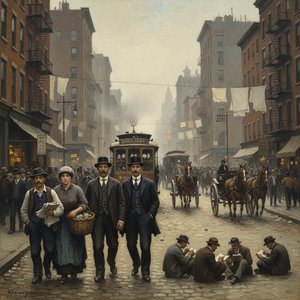
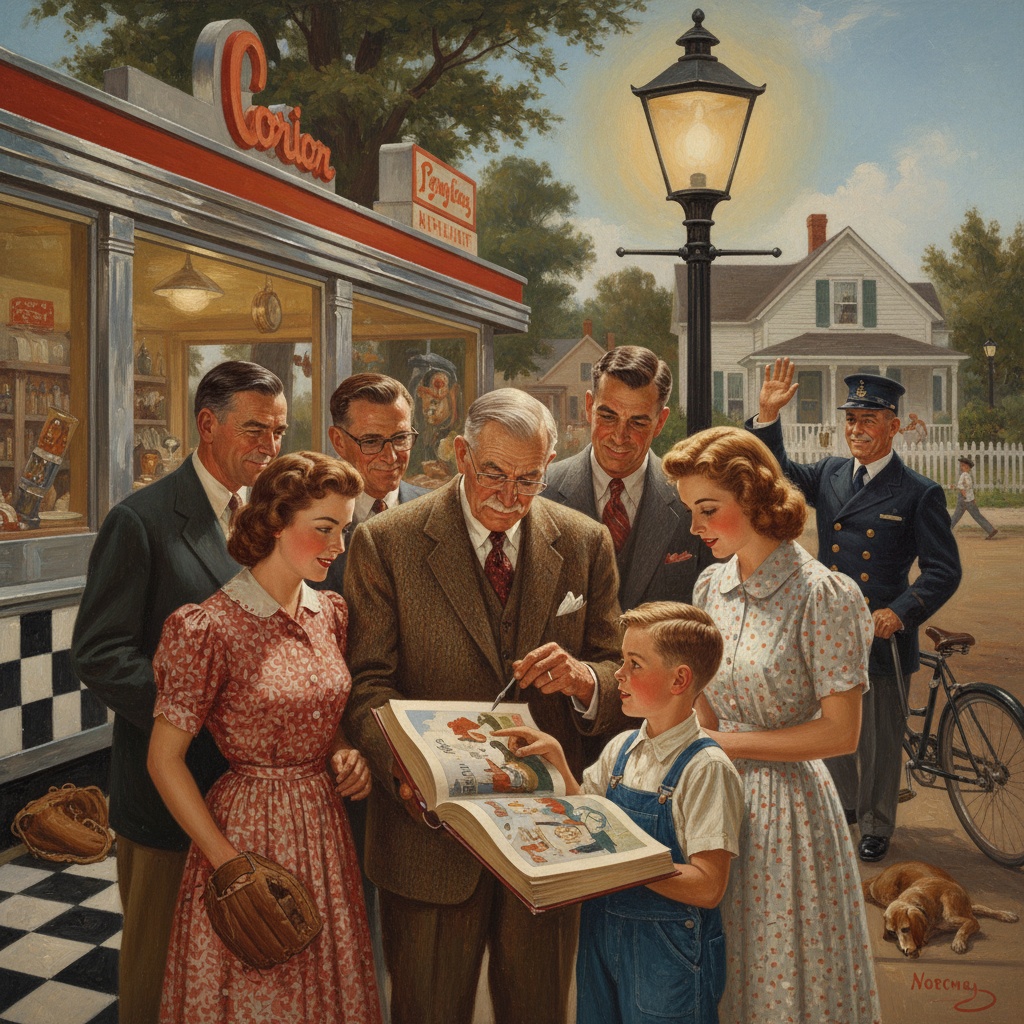
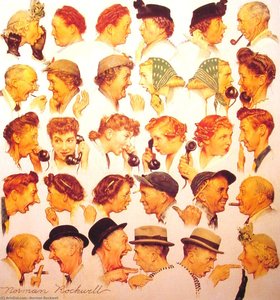
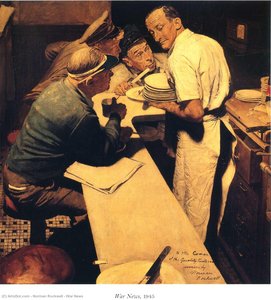
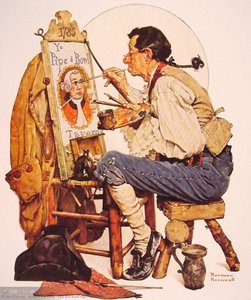
Rockwell’s association with The Saturday Evening Post, beginning in 1916, is arguably the most iconic chapter of his artistic life. For nearly five decades, his illustrations graced the cover of this beloved magazine, becoming synonymous with a particular vision of American life – one steeped in small-town values, familial warmth, and quiet heroism. These weren’t simply pretty pictures; they were carefully constructed narratives that tapped into the collective consciousness of a nation. Consider “Pride of Parenthood” (1956), a deceptively simple scene depicting a father admiring his children asleep. It's not just about parental love; it’s about the aspirations, anxieties, and quiet joys inherent in raising a family. Similarly, “New Television Antenna” (1949) isn’t merely a depiction of technological advancement; it’s a commentary on community, shared experiences, and the evolving landscape of American leisure. Rockwell possessed an uncanny ability to distill complex emotions into accessible imagery, making him not just an illustrator but a visual chronicler of his time. He didn't invent Americana; he reflected it back to itself, idealized perhaps, but with a profound understanding of its core values.
Beyond Nostalgia: Rockwell’s Social Commentary & Narrative Depth
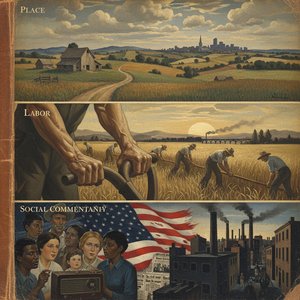
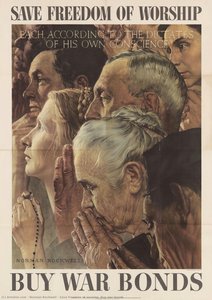
To dismiss Rockwell as merely a purveyor of sentimental nostalgia is to overlook the significant depth and evolving social consciousness within his work. While his early paintings often celebrated idyllic scenes, he wasn't afraid to tackle difficult subjects, particularly in the latter part of his career. The “Four Freedoms” series (1943), commissioned during World War II, transformed Franklin D. Roosevelt’s ideals into powerful visual statements – Freedom from Want, Freedom from Fear, Freedom of Speech, and Freedom of Worship. These weren't abstract concepts; Rockwell depicted them through relatable scenes of everyday Americans, imbuing them with a sense of urgency and moral weight. Perhaps the most poignant example of his social commentary is “The Problem We All Live With” (1964), depicting Ruby Bridges, a six-year-old African American girl escorted to school by federal marshals amidst racial hostility. This painting, raw in its emotional power, directly confronted the issue of segregation and became an enduring symbol of the Civil Rights Movement. It demonstrated Rockwell’s willingness to move beyond comfortable depictions and engage with the complexities of his nation's struggles.
Techniques and Style: Realism, Detail, and Emotional Resonance
Rockwell’s mastery wasn’t solely about subject matter; it was also deeply rooted in technique. His meticulous realism, achieved through careful observation and painstaking detail, is immediately apparent in his work. He didn't shy away from portraying imperfections – the wrinkles on a face, the worn fabric of clothing – adding to the authenticity and relatability of his scenes. He often employed a complex layering process, building up tones and textures with oil paints to create a sense of depth and luminosity. While influenced by earlier illustrators like Joseph Christian Leyendecker and Jennie Augusta Brownscombe, Rockwell developed a distinctive style characterized by its clarity, warmth, and emotional resonance. He wasn’t interested in abstract expressionism or avant-garde experimentation; his focus was on storytelling, and he utilized every artistic tool at his disposal to convey that narrative effectively. The careful composition of his paintings – the placement of figures, the use of light and shadow – all contributed to a sense of dramatic tension and emotional impact. He understood the power of visual cues to guide the viewer’s eye and evoke specific feelings.
Rockwell’s Enduring Legacy & Cultural Impact
Norman Rockwell's influence extends far beyond the realm of illustration; he has become an enduring symbol of American culture, representing a particular vision of its values, aspirations, and struggles. His work continues to resonate with audiences today, not simply for its nostalgic charm but for its profound understanding of the human condition. Museums like the Smithsonian American Art Museum and the New Britain Museum of American Art showcase his paintings alongside other iconic works of American art, solidifying his place in the canon. The sheer volume of his output – over 4,000 original works – speaks to a relentless dedication to his craft and a deep-seated belief in the power of storytelling. His images have been reproduced countless times on posters, calendars, and other merchandise, ensuring their continued accessibility and relevance. While once dismissed by some critics as overly sentimental, Rockwell is now recognized for his ability to capture the essence of American life with both honesty and compassion. His legacy isn’t just about painting pretty pictures; it's about illuminating the complexities of a nation through the power of narrative realism. At ArtsDot, we are proud to offer high-quality reproductions of Rockwell’s masterpieces, allowing you to bring his iconic vision into your home and experience the enduring power of his art firsthand.