Introduction: Ovidio Murguía de Castro – A Pioneer Bridging Spanish Tradition & Ecuadorian Identity
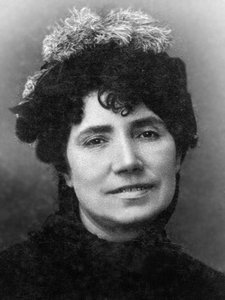 ovidio murguía de castro
Discover Ovidio Murguía de Castro (1871-1900), a Spanish artist known for evocative landscapes & scenes of Lestrange, Spain. Explore auction records & artwork prices.
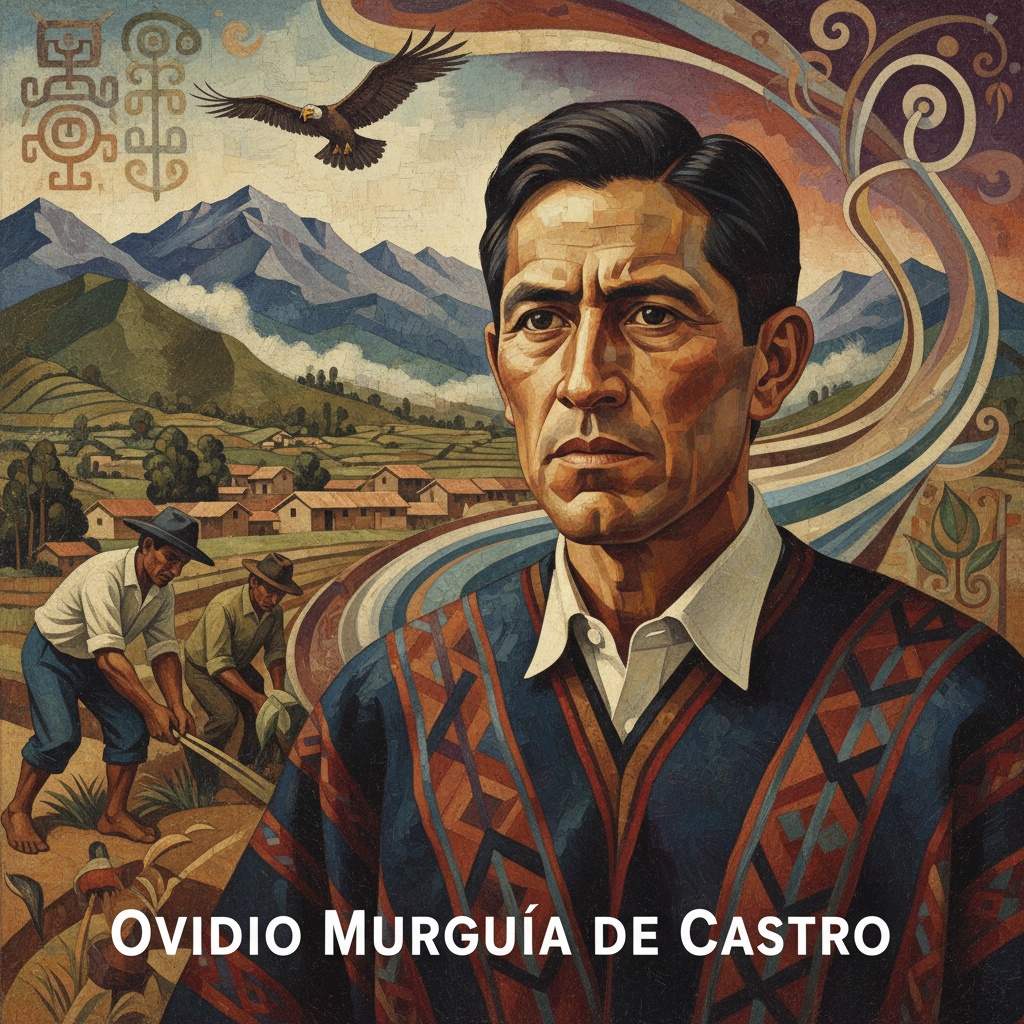
Ovidio Murguía de Castro (1871-1900) occupies a fascinating, yet often overlooked, position within the narrative of Latin American Modernism. Born in Spain but deeply connected to Ecuador through family and artistic sensibility, his brief career represents a compelling synthesis of European academic training and an emerging national consciousness. He wasn’t merely replicating styles; Murguía de Castro was actively engaged in forging a visual language that responded to the specific social and political realities of late 19th-century Ecuador, particularly its indigenous populations. His paintings offer more than just aesthetic beauty—they are windows into a world grappling with identity, colonialism's lingering effects, and the burgeoning desire for authentic representation.
Early Life and Artistic Formation: Influences from Spain and the Academic Landscape
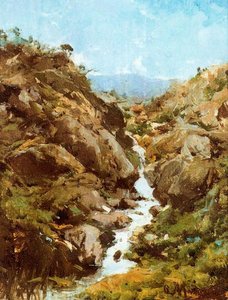 Regato between stones
Admire 'Regato between stones' by Ovidio Murguía de Castro – a captivating Spanish landscape painting from 1900. Explore evocative realism & the beauty of Lestrange, Spain.
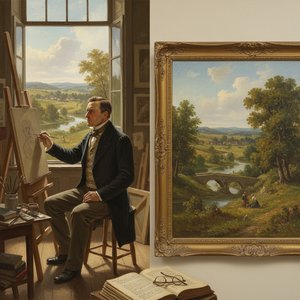
Murguía de Castro’s artistic journey began within the established traditions of Spanish painting. He received formal training in Madrid, a center of European art at the time, absorbing the techniques and conventions of Realism prevalent during that period. This academic foundation is readily apparent in his early works – precise draftsmanship, careful attention to detail, and a mastery of light and shadow characterize pieces like “Regato between stones” (1890s). However, even within these seemingly conventional landscapes, hints of a unique sensibility emerge. The scenes aren’t simply picturesque; they possess a quiet intensity, a sense of place deeply rooted in the Spanish countryside, foreshadowing his later focus on Ecuadorian locales. His family ties were also crucial: his mother was Rosalía de Castro, the celebrated Galician poet whose work championed regional identity and social justice – an influence that would profoundly shape Murguía’s artistic vision.
The Emergence of Social Realism in Ecuador: Context, Themes, and Murguía’s Early Works
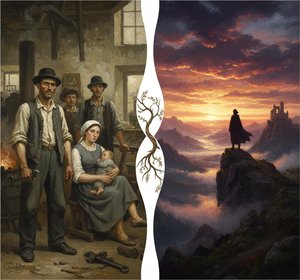
Social realism is work produced by painters, printmakers, photographers, writers, filmmakers and some musicians that aims to draw attention to the real socio-political conditions of the working class as a means to critique the power structures behind...
Upon relocating to Ecuador, Murguía de Castro encountered a vastly different social landscape. The country was undergoing significant political and economic changes following independence, yet deep inequalities persisted. This context fueled the rise of Social Realism as an artistic movement—a desire to depict the lives of ordinary people, particularly the working class and marginalized communities, with unflinching honesty. While not strictly adhering to a single stylistic dogma, Murguía’s work increasingly reflected this commitment to social commentary. His paintings began to move beyond idyllic landscapes towards scenes that subtly acknowledged the hardships faced by Ecuadorians. This shift wasn't about overt political statements; rather, it was a nuanced exploration of daily life, revealing the dignity and resilience of those often overlooked.
Representing Indigenous Life: Murguía's Unique Perspective & Critique of Societal Norms
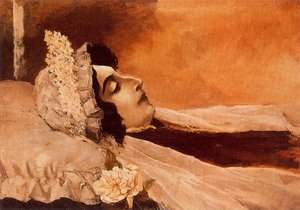
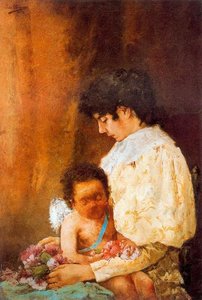 Portrait of Gala Murguia
Admire 'Portrait of Gala Murguia' by ovidio murguía de castro. A captivating Spanish painting from 1900, showcasing evocative realism & a glimpse into early 20th-century Spain.
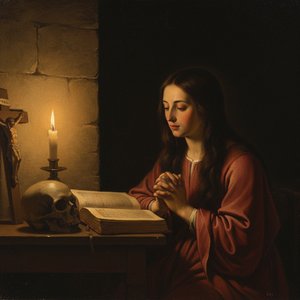
Murguía de Castro’s most significant contribution lies in his sensitive portrayal of indigenous Ecuadorian communities. Unlike many artists of the time who exoticized or romanticized these cultures, he sought to depict them with respect and authenticity. His paintings capture not just their physical appearance but also their inner lives—their labor, their traditions, and their quiet strength. “Portrait of Gala Murguia” (1900), for example, while a traditional portrait in form, offers a glimpse into the complexities of identity within a rapidly changing society. The subject’s gaze is direct and unwavering, challenging conventional notions of representation. This focus on individual dignity extended to his broader depictions of indigenous life, subtly critiquing the societal norms that often marginalized these communities. He wasn't simply documenting; he was advocating for recognition and respect.
Legacy and Influence: Murguía’s Place in Ecuadorian Art History and Modernism
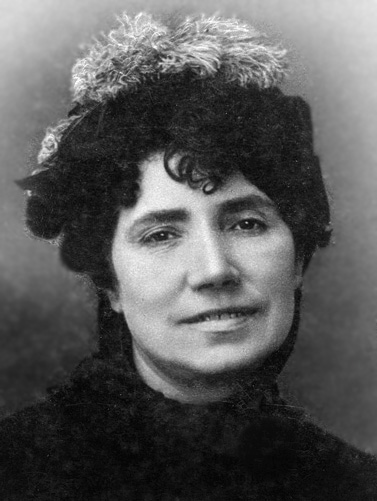 Wikipedia: Rosalía de Castro
María Rosalía Rita de Castro (Galician pronunciation: [rosaˈli.ɐ ðɪ ˈkastɾʊ]; 23 February 1837 – 15 July 1885), was a Galician poet and novelist, considered one of the most important figures of the 19th-century Spanish literature and modern lyricism....
Though his career was tragically cut short at the age of 29, Ovidio Murguía de Castro left an indelible mark on Ecuadorian art history. His work paved the way for subsequent generations of artists who sought to explore themes of national identity and social justice. He stands as a crucial link between European academic traditions and the burgeoning Modernist movements in Latin America. His paintings, while relatively few in number, are now highly prized by collectors and institutions alike, representing not only artistic skill but also a profound commitment to humanism. The influence of his mother, Rosalía de Castro, is palpable – a shared dedication to portraying the realities of life with empathy and integrity. ArtsDot.com offers discerning collectors the opportunity to appreciate and acquire high-quality reproductions of Murguía’s captivating works, ensuring that his legacy continues to inspire and resonate for years to come. His paintings are a testament to the power of art to challenge perceptions, foster understanding, and celebrate the richness of human experience. Exploring his oeuvre is not merely an aesthetic pursuit; it's a journey into the heart of Ecuadorian identity.