
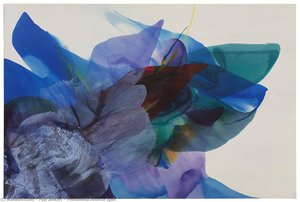
The Genesis of ‘Phenomena’: Jenkins’ Early Influences & Artistic Formation
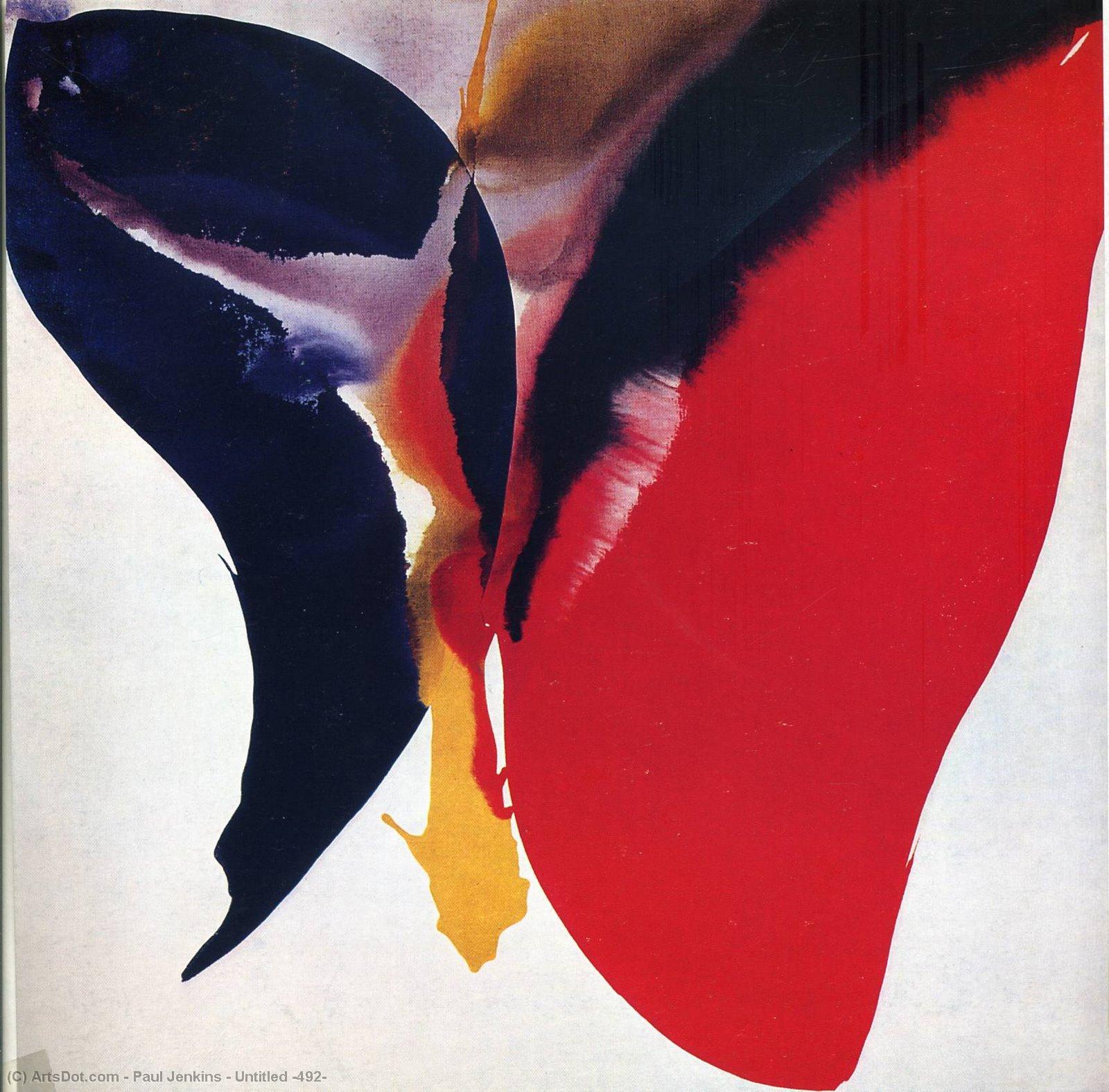 Paul Jenkins
Paul Jenkins: Pioneering abstract expressionist known for flowing pigments & ‘phenomena’ titles. Explore his layered, lyrical works blending European & American influences.
Paul Jenkins, a name synonymous with the lyrical currents within abstract expressionism, didn't emerge from a vacuum. His artistic trajectory was shaped by a confluence of experiences – a childhood steeped in the visual richness of Kansas City’s Nelson-Atkins Museum, formative years witnessing the raw energy of post-war America, and ultimately, a deliberate relocation to Paris that proved pivotal. The young Jenkins wasn't merely *exposed* to art; he absorbed it. Frequent visits to the Nelson-Atkins ignited an early fascination with Asian art, particularly its emphasis on suggestion and evocative space – qualities that would later define his own aesthetic. This initial attraction was coupled with a practical understanding of materials gained during summers working in a ceramics factory. He observed artisans not just creating forms but mastering timing, controlling the unpredictable dance between intention and chance as glazes melted and interacted. These early lessons—the power of suggestion, the importance of material properties, and the delicate balance of control—formed the bedrock of his future explorations.
The post-war American art scene presented a stark contrast to the more traditional influences of Jenkins’ youth. Enrolling at the Art Students League in New York from 1948 to 1952, he found himself immersed in the burgeoning abstract expressionist movement. Encounters with figures like Jackson Pollock and Mark Rothko were transformative. However, Jenkins wasn't interested in simply replicating their styles; rather, he sought a path that allowed him to translate intangible emotions into visual form. He admired Pollock’s all-over compositions and Rothko’s luminous color fields but recognized the need for his own distinct voice—a voice that would ultimately be defined by fluidity, layering, and an almost alchemical approach to paint.
Abstract Expressionism & Color Field Painting: Defining Jenkins' Place in Post-War Art
Abstract expressionism in the United States emerged as a distinct art movement in the aftermath of World War II and gained mainstream acceptance in the 1950s, a shift from the American social realism of the 1930s influenced by the Great Depression an...
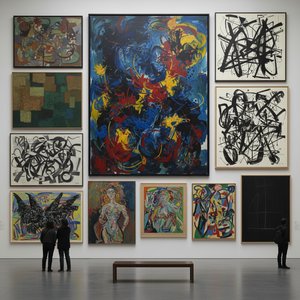
To categorize Paul Jenkins neatly as either an abstract expressionist or a color field painter feels somewhat limiting. He existed comfortably within both realms, absorbing the energy of New York while simultaneously forging his own path. Abstract expressionism, born from the anxieties and upheavals of World War II, prioritized spontaneous gesture and emotional intensity. Jenkins shared this commitment to expressing inner states but diverged in his deliberate rejection of overt brushwork. Where Pollock’s canvases were defined by action painting—the physical act of applying paint—Jenkins sought a more meditative process. He wasn't interested in recording the *event* of painting, but rather in creating an atmosphere, a visual echo of feeling.
This is where his connection to color field painting becomes apparent. Emerging as a distinct style in the 1940s and 50s, color field emphasized large expanses of flat color, prioritizing consistency of form over gestural marks. Artists like Barnett Newman and Clyfford Still explored the emotional resonance of pure color, creating immersive experiences for the viewer. Jenkins shared this focus on color’s inherent power but infused it with a dynamism that set him apart. His canvases weren't simply fields of color; they were swirling, layered compositions that seemed to breathe and evolve before your eyes. He blended European influences—a sensitivity to form and composition—with the American emphasis on scale and emotional directness.
The Ivory Knife and the Fluid Canvas: A Unique Technique for Lyrical Abstraction
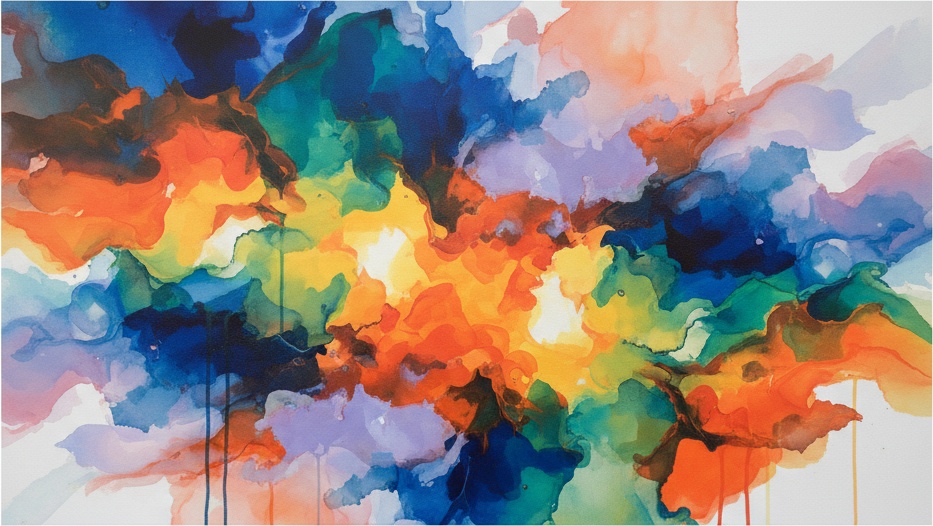
Perhaps the most defining characteristic of Jenkins’ work is his unconventional technique. Rejecting the paintbrush altogether, he employed an ivory knife to manipulate acrylic paint across the primed canvas. This wasn't a random act; it was a carefully considered decision rooted in his desire for control and nuance. As he himself explained, working on unprimed canvas resulted in unpredictable inkblot-like effects, whereas priming allowed him to *guide* the flow of pigment, coaxing forms into existence. The ivory knife became an extension of his hand, allowing him to create gem-like veils of transparent color that seemed to float and interact with one another.
This technique wasn’t merely about avoiding brushstrokes; it was about embracing chance while maintaining a degree of control. Jenkins would pour paint onto the canvas, tilting and rotating it to allow the colors to mingle and blend. The knife then became an instrument for shaping these flows, creating subtle gradations and luminous layers. The result is a sense of depth and movement that’s both captivating and ethereal. His process wasn't about imposing form *onto* the canvas but rather revealing forms that were already latent within the paint itself—a delicate dance between intention and serendipity.
Cosmic Themes and Mystical Undercurrents in Jenkins’ Work
Beyond technique, Jenkins’ work is imbued with a sense of cosmic mystery. Many of his paintings bear titles like “Phenomena,” suggesting an exploration of forces beyond the visible realm. This fascination wasn't accidental; it stemmed from a lifelong interest in Eastern religions and philosophy, particularly the ancient Chinese divination text *I Ching*. He saw parallels between the unpredictable patterns revealed through the *I Ching* and the spontaneous flows of color on his canvases.
The influence of Carl Jung’s psychoanalytic theories is also evident. Jenkins sought to tap into the collective unconscious, believing that abstract forms could evoke universal archetypes and emotions. His paintings aren't representations of specific objects or places; they are visual metaphors for inner states—a journey into the depths of the psyche. This exploration of inward reflection lends his work a profound sense of depth and resonance, inviting viewers to connect with something larger than themselves.
Jenkins’ ‘Phenomena’ Series: A Deep Dive into Key Masterpieces & Their Evolution
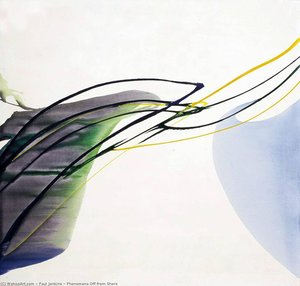 Phenomena Off from Shore
Experience Paul Jenkins’ ‘Phenomena Off from Shore’ (1965). A layered abstract expressionist masterpiece blending European & American influences, known for its flowing pigments and lyrical style.
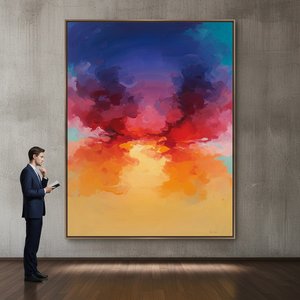
The ‘Phenomena’ series, arguably Jenkins’ most iconic body of work, encapsulates all the elements that define his unique style. Beginning in the early 1960s, these paintings are characterized by their luminous layers of acrylic color, swirling compositions, and evocative titles. ‘Phenomena Off from Shore’ (1965), for example, exemplifies this aesthetic—a dynamic interplay of blues, greens, and whites that suggests the vastness and mystery of the ocean. The colors aren't simply applied; they seem to flow and merge, creating a sense of depth and movement.
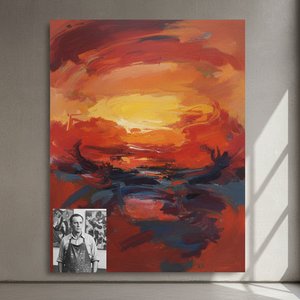
Other key works within the series, such as “Untitled (385)” – often referred to as ‘Phenomena Uranus’—demonstrate his ability to evoke cosmic themes. The swirling colors and organic forms suggest nebulae and distant galaxies, inviting viewers to contemplate the immensity of the universe. As the series evolved, Jenkins continued to refine his technique, experimenting with new color combinations and compositions. ‘Untitled (878)’, with its intense orange and red textures, showcases a more chaotic energy, yet still retains the lyrical quality that defines his work. Each ‘Phenomena’ painting is a unique exploration of form, color, and emotion—a testament to Jenkins’ mastery of abstraction.
Collecting Paul Jenkins: Investment Potential & Aesthetic Considerations
For discerning art collectors, Paul Jenkins represents a compelling opportunity. While firmly established within the canon of abstract expressionism, his work often remains undervalued compared to contemporaries like Pollock or Rothko. This presents a chance to acquire museum-quality paintings with significant investment potential. His ‘Phenomena’ series, in particular, is highly sought after, and prices have been steadily increasing in recent years.
However, collecting Jenkins shouldn't be solely about financial gain. His work possesses an inherent aesthetic beauty that transcends market trends. The luminous layers of color, the dynamic compositions, and the evocative titles create a visual experience that’s both captivating and emotionally resonant. When considering a purchase, it’s important to assess not only the provenance and condition but also the painting's overall impact—does it speak to you? Does it evoke a sense of wonder or contemplation? At ArtsDot, we offer expert guidance in navigating the art market, ensuring that your investment is both financially sound and aesthetically rewarding. Explore our collection of Paul Jenkins paintings today and discover the lyrical power of abstraction.