
The Allure of Imperfection: Why Restore Old Photographs?
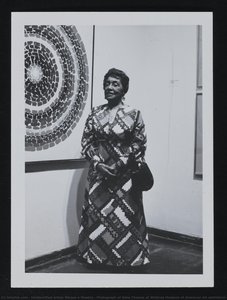 Photograph of Alma Thomas at Whitney Museum of American Art exhibition opening
Vintage photograph of Alma Thomas at a Whitney Museum exhibition. Capture a moment in art history with this unique black & white image – a beautiful reproduction.
There’s a peculiar magic held within the faded edges and subtle imperfections of old photographs—a whisper of time, a tangible connection to lives lived before our own. These aren't merely images; they are fragments of history, echoes of moments that would otherwise be lost to the relentless current of years. Yet, these fragile portals often arrive clouded by the very passage of time they represent: graininess obscures faces, colors leach away like forgotten dreams, and physical damage threatens to erase them entirely. The impulse to restore isn’t simply about achieving technical clarity; it's a deeply human desire to reconnect with our past, to honor those who came before us, and to safeguard the stories embedded within these visual relics. It speaks to a fundamental need for continuity, a yearning to hold onto something precious in the face of inevitable change.
For generations, photographs have been entrusted as keepers of memory, yet their inherent fragility makes them vulnerable. Early photographic processes—daguerreotypes, calotypes, even the later wet plate collodion and gelatin silver prints—were groundbreaking for their time but lacked the robustness we now take for granted. The materials themselves were often unstable, susceptible to fading, scratching, and deterioration. Consequently, the photographs passed down through families are frequently imperfect, bearing the visible marks of age and handling. These imperfections aren’t necessarily flaws; they are intrinsic to the medium, adding a layer of authenticity and character that digital perfection can rarely replicate. However, when these imperfections threaten to obscure the image entirely, intervention becomes not just desirable but essential.
Digital Resurrection: The Art & Science of Photo Restoration
Image restoration may refer to: Conservation and restoration of photographs Digital photograph restoration Image restoration by artificial intelligence Iterative reconstruction == See also == Image restoration theory
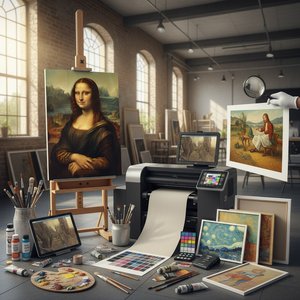
The modern miracle of digital restoration offers a powerful first step in this process—a delicate dance between technology and artistry. High-resolution scanning captures every nuance of the original photograph, revealing details previously hidden by age or damage. Specialized software then becomes the tool for meticulously removing dust, scratches, and blemishes. Algorithms intelligently analyze color imbalances, attempting to restore faded hues based on historical data and contextual clues. Sharpening filters can enhance details without introducing unwanted artifacts, while noise reduction tools minimize graininess, bringing clarity back to obscured features.
However, digital restoration is not a purely objective process. It requires careful judgment and restraint. Over-processing can strip away the photograph’s unique character, creating an artificial image that lacks authenticity. The goal isn't to create a perfect replica but rather to reveal the underlying detail and restore the photograph to its original condition as closely as possible—a subtle enhancement, not a complete reinvention. Skilled technicians understand this delicate balance, employing techniques that preserve the integrity of the image while addressing its flaws. This is where the true artistry begins, laying the groundwork for the next stage: transforming the digitally restored image into a lasting work of art.
From Pixels to Paintstrokes: Commissioning an Oil Painting Reproduction
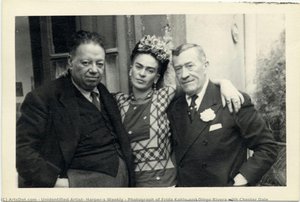 Photograph of Frida Kahlo and Diego Rivera with Chester Dale
A rare Harper's Weekly photo of Frida Kahlo, Diego Rivera & Chester Dale. Capturing a pivotal moment in art history, this black & white image showcases modernist figures.
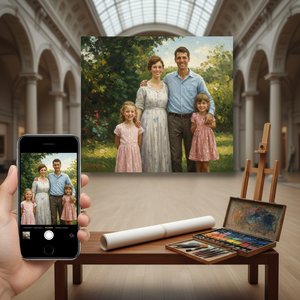
While digital restoration can breathe new life into a photograph, it often lacks the warmth, texture, and emotional depth of traditional art forms. This is where the expertise of a professional oil painter becomes invaluable. A talented artist doesn’t merely replicate an image; they interpret it, breathing new life into the photograph through nuanced brushwork and a keen understanding of light and shadow. The process begins with careful study of the restored digital image, paying attention to subtle details such as facial expressions, clothing textures, and background elements.
The artist then recreates the image on canvas using high-quality oil paints—a medium renowned for its rich colors, excellent blending capabilities, and enduring quality. This isn't simply copying pixels; it’s about reconstructing form, capturing emotion, and adding an artistic sensibility that elevates the photograph beyond its original limitations. The choice of brushwork is critical, influencing the overall aesthetic and emotional impact of the painting. A loose, impressionistic style can evoke a sense of nostalgia and warmth, while a more detailed and realistic approach can create a timeless portrait. The artist’s skill lies in seamlessly blending the historical context of the photograph with their own artistic vision.
Choosing a Style: Renaissance, Impressionism, and Beyond – Tailoring the Aesthetic
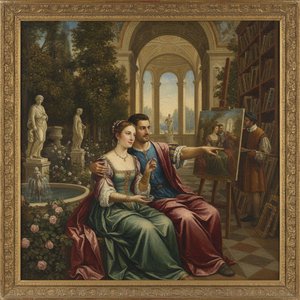
The style in which an oil painting is rendered dramatically alters its overall aesthetic. A portrait originally captured in a simple snapshot can be transformed into a Renaissance masterpiece, evoking a sense of timeless grandeur and sophistication—imagine the subject adorned with period clothing, set against a backdrop of classical architecture. Alternatively, an impressionistic style can create a softer, more romantic feel, with loose brushwork and vibrant colors reminiscent of Monet or Renoir. Modern styles offer a bolder and more contemporary look, with abstract elements and unconventional compositions.
The choice of style should reflect the subject matter, the client’s preferences, and the desired emotional impact. A family portrait might benefit from a classic Renaissance approach, emphasizing dignity and heritage. A landscape photograph could be beautifully rendered in an impressionistic style, capturing the fleeting beauty of light and atmosphere. The artist can also combine different styles to create a unique and personalized artwork—a subtle nod to the past blended with a contemporary sensibility.
Preserving Memories for Generations: Materials, Techniques, and Longevity
The enduring quality of an oil painting depends not only on the artist’s skill but also on the materials used. Professional artists typically employ high-quality oil paints—renowned for their rich pigments and archival properties—and 100% cotton canvas, providing a stable and durable surface. The canvas is carefully stretched and primed to ensure optimal adhesion and prevent warping. Multiple layers of paint are applied, building depth and texture with each stroke.
The application of varnish is crucial for protecting the painting from dust, UV damage, and discoloration. Archival varnishes—specifically designed to resist yellowing over time—ensure that the colors remain vibrant for generations. Furthermore, proper framing adds an extra layer of protection and enhances the overall aesthetic appeal. A skilled artist understands these nuances, utilizing techniques that not only create a beautiful artwork but also ensure its longevity. Ultimately, commissioning an oil painting reproduction is an investment in preserving cherished memories—a timeless tribute to those we love and a lasting legacy for future generations.