The Rise of Lawrence: From Prodigy to Royal Portraitist
Sir Thomas Lawrence’s ascent was nothing short of meteoric. Born in Bristol in 1769, he wasn't merely a talented artist; he was a phenomenon. While many aspiring painters endured years of rigorous academic training, Lawrence bypassed convention, his gift blossoming almost spontaneously. Early anecdotes speak of a young boy captivating visitors with both recited poetry and remarkably skilled pastel portraits – a dual talent that foreshadowed the charm and technical prowess that would define his career. His father, recognizing (and perhaps capitalizing on) this ability, presented Tommy as a source of entertainment and income to those passing through the Black Bear Inn in Devizes. This unconventional start, however, didn’t hinder Lawrence; it fueled an ambition and self-reliance that propelled him towards London at the tender age of eighteen. The city, already captivated by artists like Reynolds and Gainsborough, proved receptive to this new talent. His initial success wasn't simply about skill—it was about a captivating presence, a natural ability to flatter his sitters, and an understanding of the burgeoning social landscape. By 1789, securing a commission from Queen Charlotte herself cemented Lawrence’s position as the portraitist *du jour*, marking the beginning of a reign that would define the aesthetic of the Regency era.
Capturing Likeness & Character: Lawrence's Artistic Technique
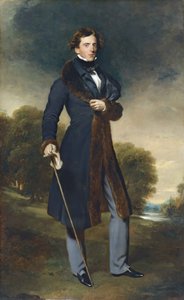
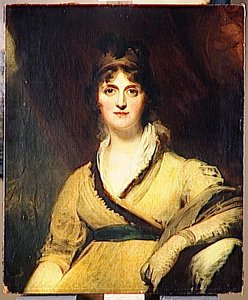
Lawrence wasn’t simply reproducing faces; he was crafting images imbued with personality and status. His technique, though rooted in observation, transcended mere imitation. He possessed an extraordinary ability to capture not just physical resemblance but also the *essence* of his subjects – their confidence, their wit, their social standing. This mastery stemmed from a meticulous approach to layering paint, building up tones and textures with remarkable finesse. Unlike some contemporaries who favored a more direct, impasto style, Lawrence employed a subtle glazing technique, creating luminous skin tones and an almost ethereal quality in his portraits. He studied the Old Masters – Raphael, Titian, and van Dyck – absorbing their compositional strategies and color palettes. However, he wasn’t merely copying; he adapted these influences to suit the tastes of his era, prioritizing elegance and refinement over stark realism. His brushwork, though visible upon close inspection, blended seamlessly to create a sense of idealized beauty. The result was portraits that weren't just accurate representations but carefully constructed narratives about power, wealth, and social grace.
Power Dynamics on Canvas: Representing the Elite of Regency England
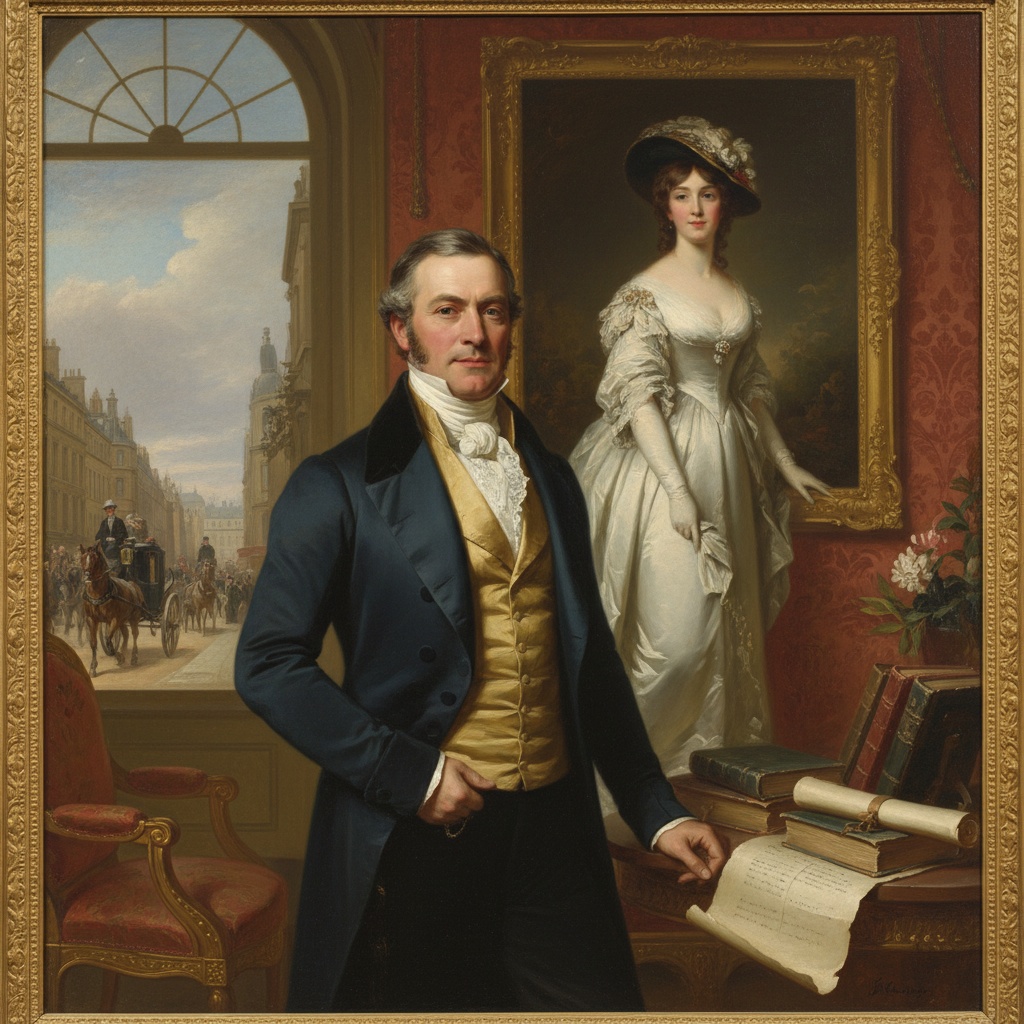
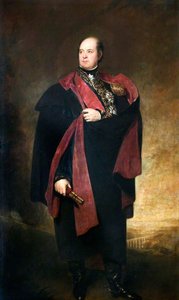
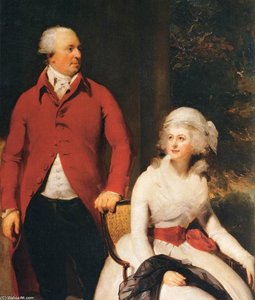
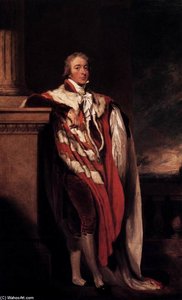
The Regency period (roughly 1811-1820) was a time of immense social change and political upheaval. Lawrence’s portraits became visual embodiments of this era's complex power dynamics. His sitters weren’t randomly selected; they were the aristocracy, the landed gentry, the rising merchant class – individuals who shaped British society. Through his art, he documented their influence, their wealth, and their aspirations. Consider his portrait of Mr & Mrs John Julius Angerstein, a depiction not just of a couple but of burgeoning financial power and social ambition. The classical setting, reminiscent of the Grand Manner, subtly elevated their status, associating them with the nobility of ancient Rome. Similarly, portraits like Thomas Moore (1779–1852), Poet weren’t simply celebrations of literary talent; they were statements about cultural influence and intellectual prestige. Lawrence understood that a portrait wasn't just an image; it was a carefully curated symbol of identity, designed to project power and solidify social standing. He became adept at navigating the delicate balance between flattery and realism, ensuring his sitters appeared both attractive and authoritative.
The Grand Manner and Lawrence’s Neoclassical Influences
Lawrence wholeheartedly embraced the principles of the Grand Manner, a style that prioritized idealized beauty, classical allusions, and narrative storytelling. This wasn't about simply painting someone as they were; it was about elevating them to a higher plane of existence through artistic convention. He drew heavily from Neoclassical aesthetics – the emphasis on symmetry, balance, and restrained emotion. His compositions often featured carefully chosen backgrounds inspired by ancient architecture or idyllic landscapes, subtly reinforcing his sitters’ connection to tradition and refinement. The influence of artists like Raphael is particularly evident in Lawrence's use of flowing drapery, graceful poses, and luminous color palettes. However, he wasn’t a slavish imitator; he infused the Grand Manner with a distinctly Regency sensibility – a sense of lightness, elegance, and understated glamour. This fusion of classical ideals and contemporary tastes proved immensely popular, establishing Lawrence as the leading portraitist of his day. He understood that portraying wealth and status required more than just accurate likenesses; it demanded an artistic language that conveyed nobility and sophistication.
Beyond the Brushstroke: Scandal, Debt, and the Artist's Persona
Despite his professional success, Lawrence’s personal life was often tumultuous. His love affairs – particularly those with Sally Siddons and Maria Siddons – were notorious scandals that fueled gossip columns and literary speculation. These relationships, marked by passion, betrayal, and financial strain, reveal a complex and vulnerable side to the celebrated artist. Furthermore, Lawrence struggled with chronic debt throughout his career, despite earning substantial sums from his commissions. This financial instability stemmed from a lavish lifestyle, an extravagant taste for art collecting, and perhaps a lack of business acumen. His relentless pursuit of social acceptance and artistic recognition came at a considerable personal cost. Yet, these struggles arguably contributed to the intensity and emotional depth of his portraits. He understood the fragility of reputation, the allure of wealth, and the complexities of human desire – themes that subtly permeate his work. Lawrence wasn’t simply painting his sitters; he was reflecting on the very society he inhabited, with all its contradictions and imperfections.
Lawrence's Enduring Legacy: A Reassessment of a Regency Master
While Lawrence’s reputation waned during the Victorian era – overshadowed by a preference for moralizing realism – his artistry has experienced a significant reassessment in recent decades. Scholars now recognize him not just as a skilled portraitist but as a keen observer of social dynamics, a master of artistic technique, and a pivotal figure in Regency art history. His portraits offer invaluable insights into the lives and aspirations of the elite during a period of profound change. The ability to capture both likeness and character remains his defining achievement. Today, collectors prize Lawrence’s works for their beauty, elegance, and historical significance. ArtsDot.com offers exquisite handmade oil paintings reproducing these masterpieces, allowing you to experience the artistry and grandeur of Sir Thomas Lawrence firsthand. Whether you are drawn to the captivating portraits of literary figures like Thomas Williams (1737–1802), or the stately depictions of aristocratic couples, Lawrence’s work continues to resonate with audiences centuries later – a testament to his enduring legacy as a Regency master.