

Introduction: The Power of Directed Vision
Visual hierarchy, according to Gestalt psychology, is a pattern in the visual field wherein some elements tend to "stand out," or attract attention, more strongly than other elements, suggesting a hierarchy of importance. While it may occur naturally...
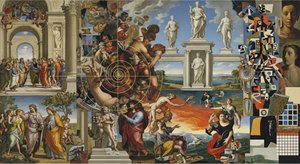
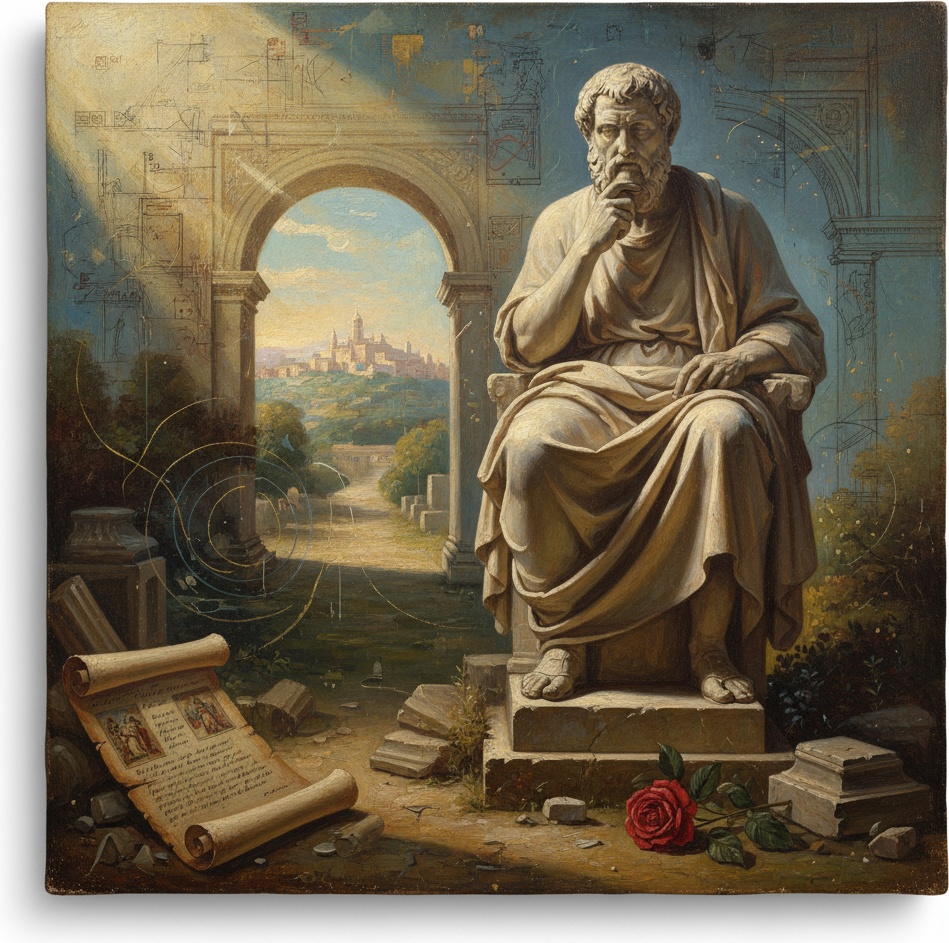
From the earliest cave paintings to the most ambitious contemporary installations, art has always been about directing the viewer’s gaze. It isn't merely a matter of replicating reality; it is an act of selective emphasis, a deliberate choreography of visual elements designed to evoke emotion, tell a story, and ultimately, control perception. This power—the ability to command where the eye rests and how the mind interprets what it sees—lies at the heart of composition, and more specifically, the masterful use of focal points. Before we delve into techniques and historical precedents, consider this fundamental truth: every artwork is an argument, and the focal point is its central claim.
The Foundations of Composition: Guiding the Viewer's Eye
Composition, at its core, is the arrangement of visual elements within a work. It’s the artist’s deliberate orchestration of line, shape, color, texture, and space to create structure and meaning. But simply *arranging* these elements isn’t enough. A successful composition anticipates how the human eye naturally moves across a surface—a principle deeply rooted in Gestalt psychology. Our brains seek order, patterns, and coherence; we instinctively scan for points of contrast, areas of high detail, or unexpected forms. Artists exploit this innate tendency by strategically placing elements that “stand out,” drawing our attention first to what is most important. This isn’t accidental; it's a carefully calculated hierarchy of importance built upon the principles of visual weight and balance. A heavier element—perhaps a brightly colored figure against a muted background, or a complex shape amidst simpler forms—will naturally command more attention than its lighter counterparts. Achieving equilibrium within this dynamic interplay is crucial. Asymmetrical compositions, for example, require a delicate balancing act, distributing visual weight in such a way that the artwork feels harmonious despite its inherent imbalance.
Chiaroscuro & Visual Hierarchy: Mastering Contrast for Impact
In art, chiaroscuro (English: kee-AR-ə-SKOOR-oh, -SKURE-, Italian: [ˌkjaroˈskuːro]; lit. 'light-dark') is the use of strong contrasts between light and dark, usually bold contrasts affecting a whole composition. It is also a technical term used by ...
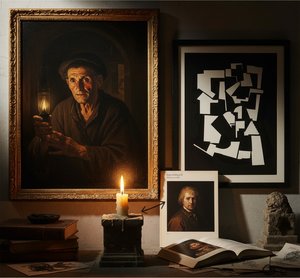
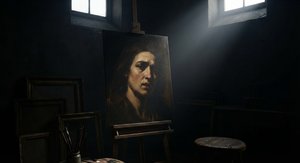
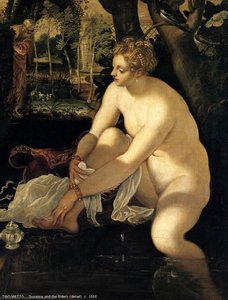
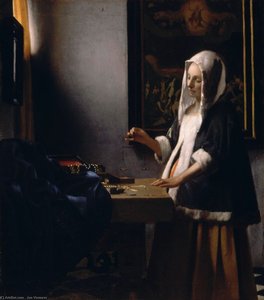
One of the most potent tools in an artist’s arsenal for establishing visual hierarchy is chiaroscuro, the dramatic use of light and shadow. Originating in Renaissance painting, particularly with masters like Caravaggio, chiaroscuro isn't simply about creating realistic depictions of illumination; it’s a powerful means of directing attention. By plunging areas of the canvas into darkness while spotlighting others, artists create an immediate focal point—a beacon that draws the eye and amplifies emotional intensity. Think of Caravaggio’s “The Calling of Saint Matthew.” The stark contrast between the dimly lit tavern interior and the radiant light illuminating Matthew's face instantly focuses our attention on this pivotal moment of revelation. This technique isn’t limited to painting, however. In photography, low-key lighting achieves a similar effect, isolating subjects and creating a sense of mystery and drama. The principle extends beyond literal light; any form of contrast—color against color, texture against smoothness, detail against simplicity—can be used to create visual hierarchy. A single vibrant flower in an otherwise monochromatic landscape will naturally become the focal point, its intensity amplified by its isolation.
Historical Perspectives on Focal Points: From Renaissance to Modernism
The understanding and application of focal points have evolved significantly throughout art history. In the Renaissance, compositions often centered around religious figures, strategically positioned along vertical axes with symmetrical arrangements reinforcing their divine status. The triangular composition, as seen in countless depictions of the Madonna and Child, provided a stable and harmonious framework for these sacred subjects. As artistic movements shifted, so too did compositional strategies. Baroque artists embraced dynamic diagonals and dramatic chiaroscuro to create a sense of movement and emotional intensity. The 19th-century Impressionists, while rejecting traditional academic rules, still employed focal points—often achieved through color and light—to capture fleeting moments and subjective experiences. However, the 20th century witnessed a radical departure from these conventions. Modernist artists like Piet Mondrian challenged the very notion of a single focal point, embracing abstraction and all-over compositions that rejected hierarchical structures in favor of pure geometric relationships. Even within abstraction, however, subtle variations in color, texture, or line weight can create areas of visual interest, guiding the eye through the canvas.
Psychological Impact: How Focal Points Shape Perception and Emotion
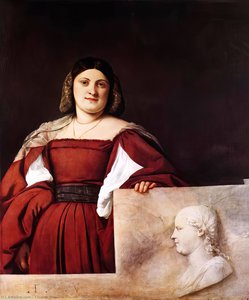
The power of focal points extends beyond mere aesthetics; it’s deeply intertwined with our cognitive processes. As Gestalt psychology suggests, our brains actively seek to organize visual information, creating patterns and hierarchies even in seemingly chaotic arrangements. A well-placed focal point provides a sense of closure and coherence, satisfying this innate need for order. Conversely, the absence of a clear focal point can create anxiety or disorientation. Furthermore, focal points play a crucial role in storytelling. By directing our attention to specific elements, artists guide us through the narrative, emphasizing key moments and emotional cues. Consider how a portrait artist might use lighting to highlight the subject’s eyes—drawing our attention not only to their physical features but also to their inner thoughts and emotions. This subtle manipulation of perception is what transforms a simple representation into a compelling psychological study.
Beyond Technique: Achieving Harmony and Meaning Through Composition
Ultimately, mastering composition isn't about adhering to rigid rules; it’s about understanding the underlying principles that govern visual perception and using them to create harmonious and meaningful artworks. Whether you are drawn to the classical symmetry of the Renaissance or the dynamic abstraction of Modernism, the key is to be deliberate in your choices—to consciously guide the viewer’s eye and evoke a specific emotional response. The most successful compositions aren't simply visually appealing; they tell a story, convey an idea, and leave a lasting impression on the mind. At ArtsDot.com, we celebrate this rich tradition of artistic expression, offering handmade oil paintings and museum-quality prints that capture the beauty and complexity of masterpieces from across history. Explore our collection today and discover how the power of composition can transform your space and enrich your life.