The Dawn of Feeling: Romanticism’s Revolt Against Enlightenment Reason
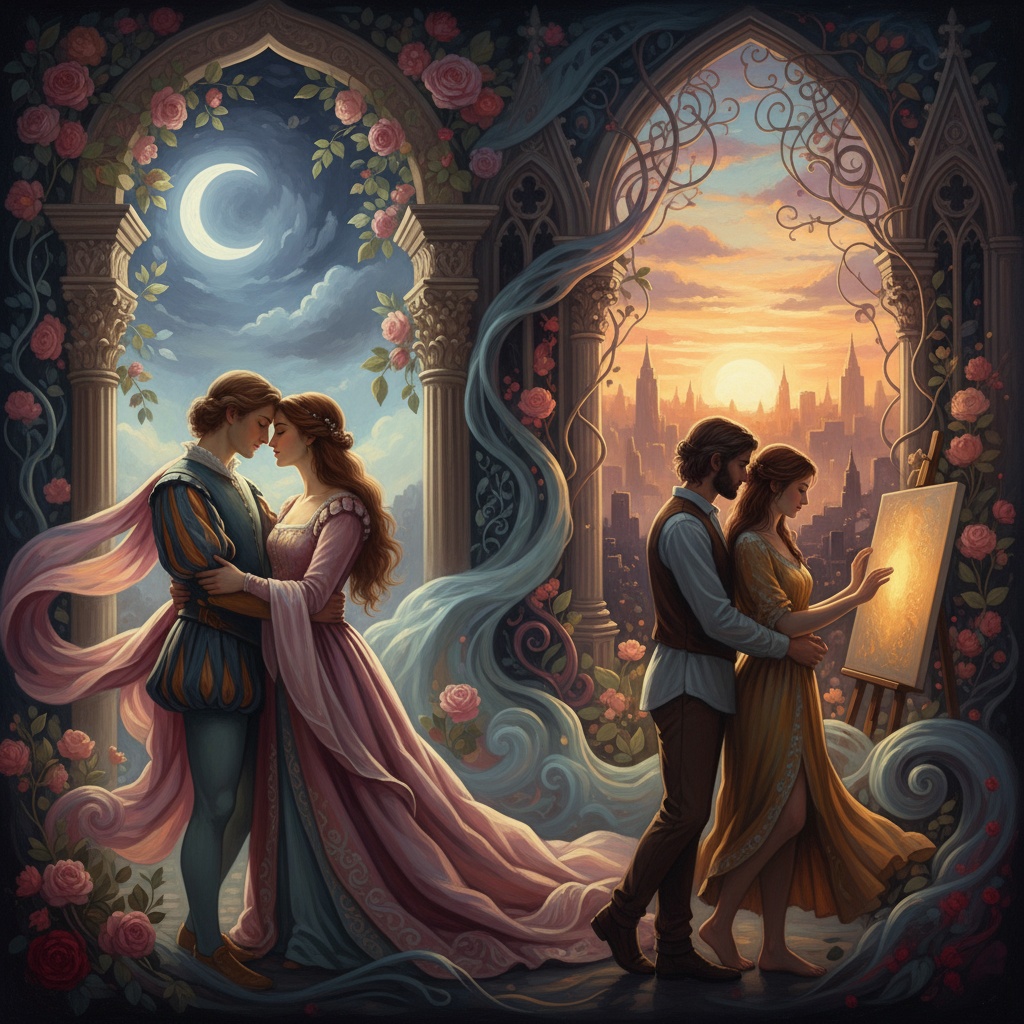
The late 18th century witnessed a seismic shift in artistic and intellectual thought, a turning away from the cool rationality of the Enlightenment towards the passionate embrace of emotion and individual experience. This was the birth of Romanticism, a movement that didn't simply reject the preceding era but actively sought to redefine what constituted beauty, truth, and the very purpose of art. For centuries, Western aesthetics had been dominated by principles of order, balance, and classical form – ideals exemplified in the works of artists like Jacques-Louis David. But as the Industrial Revolution began to reshape society, a growing sense of alienation and spiritual yearning emerged, prompting artists and writers to look inward, to nature, and to the past for inspiration.
The seeds of Romanticism were sown in Germany with the Sturm und Drang (“Storm and Stress”) movement, which championed subjectivity and intuition. Johann Wolfgang von Goethe’s novel, The Sorrows of Young Werther (1774), became a cultural touchstone, embodying the intense emotionality and individualistic spirit that would define the Romantic sensibility. This wasn't merely about expressing feelings; it was about validating them as a crucial pathway to understanding the world. The French Revolution, with its ideals of liberty and equality, further fueled this fervor, though many Romantics soon became disillusioned by the violence and chaos that followed. They sought freedom not in political upheaval but in the realm of imagination and personal experience.
Nature as Sublime Spectacle: Evoking Awe, Terror, and Transcendence
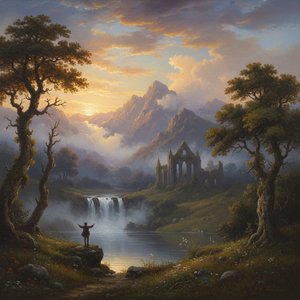
Central to Romanticism was a profound reverence for nature – not as a tamed garden or picturesque landscape, but as a powerful, untamed force capable of inspiring both awe and terror. Edmund Burke’s Philosophical Enquiry into the Origin of Our Ideas of the Sublime and Beautiful (1757) profoundly influenced this perspective, connecting the sublime with experiences that evoked feelings of vastness, obscurity, and even danger. Artists began to depict nature in its most dramatic forms – towering mountains, stormy seas, desolate landscapes – seeking to capture a sense of the infinite and the overwhelming power of the natural world.
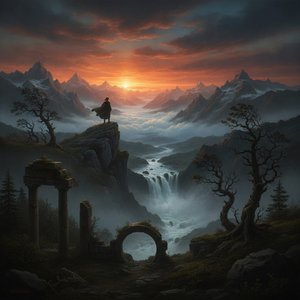
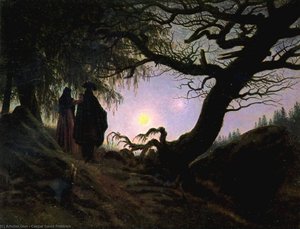
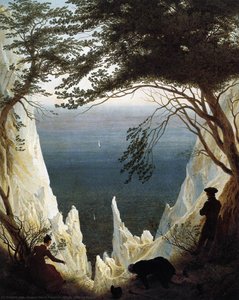
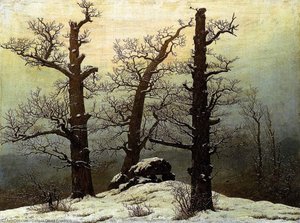
Caspar David Friedrich’s paintings are perhaps the quintessential expression of this Romantic sensibility. Works like “Riesengebirge” (Memories of the Riesengebirge) don't simply *show* us a mountain range; they invite us to contemplate our own insignificance in the face of nature’s grandeur, and to grapple with themes of mortality and spirituality. The lone figure gazing out at the vast expanse isn’t merely observing a landscape; he is undergoing an existential experience. This pursuit of the sublime wasn't about literal representation but about evoking a specific emotional response in the viewer – a sense of wonder mixed with trepidation, a recognition of something beyond human comprehension.
Individualism & Emotion in Portraiture: Capturing the Inner Life
An emotional expression is a behavior that communicates an emotional state or attitude. It can be verbal or nonverbal, and can occur with or without self-awareness. Emotional expressions include facial movements like smiling or scowling, simple behav...
While landscape painting flourished, Romantic artists also revolutionized portraiture. Rejecting the formal, idealized depictions favored by earlier generations, they sought to capture the inner life of their subjects – their passions, anxieties, and vulnerabilities. This shift demanded a new level of psychological insight from the artist, a willingness to delve beneath the surface and reveal the complexities of human character.
Francisco Goya’s portraits offer a particularly compelling example of this trend. His later works, such as “The Card Players,” move beyond mere physical likeness to explore themes of social alienation and psychological turmoil. The subjects are often depicted with unflinching realism, their faces etched with the hardships of life. This wasn't about flattering representation; it was about confronting uncomfortable truths and revealing the darker aspects of human existence. Romantic portraiture aimed not to celebrate status or wealth but to capture the essence of an individual’s being, flaws and all.
Symbolism & Narrative: Unveiling Hidden Meanings in Romantic Art
Romantics frequently employed symbolism and narrative to imbue their works with deeper meaning. They drew inspiration from mythology, folklore, literature, and history, often using these sources to explore universal themes of love, loss, redemption, and the search for identity. Unlike Neoclassical artists who favored clear moral lessons, Romantic artists embraced ambiguity and suggestion, inviting viewers to interpret their works on a personal level.
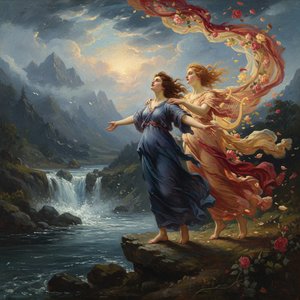
The use of color also became increasingly important as a means of conveying emotion and atmosphere. Artists like Eugène Delacroix employed vibrant hues and dramatic contrasts to create paintings that were both visually stunning and emotionally charged. His work often featured scenes of historical or literary significance, but the focus was less on accurate depiction and more on capturing the emotional intensity of the moment. The power of symbolism allowed Romantic artists to transcend the limitations of realism and explore the realm of dreams, imagination, and the subconscious.
The Enduring Legacy of Romantic Emotional Resonance in Modern Art
Though Romanticism as a distinct movement waned by mid-century, its influence reverberated through subsequent artistic developments. The emphasis on individual expression paved the way for Impressionism, Expressionism, and Surrealism – all movements that prioritized subjective experience over objective representation. The Romantic fascination with nature continues to inspire artists today, as does their exploration of psychological themes.
The legacy of Romanticism isn’t simply about specific styles or techniques; it's about a fundamental shift in the way we perceive art and its purpose. It challenged the notion that art should merely imitate reality and instead argued that it should evoke emotion, stimulate imagination, and offer insights into the human condition. This emphasis on emotional resonance continues to be central to contemporary artistic practice.
Collecting Romantic Art: Finding Pieces That Speak to Your Soul
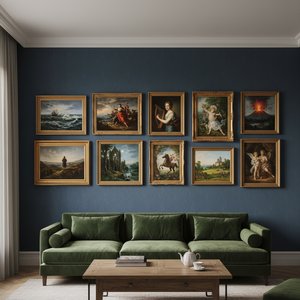
For those drawn to the power of feeling and the beauty of introspection, collecting Romantic art can be a deeply rewarding experience. Whether you’re captivated by Friedrich’s sublime landscapes or Goya’s unflinching portraits, there are countless opportunities to acquire pieces that resonate with your own sensibilities. At ArtsDot.com, we offer a curated selection of high-quality reproductions of Romantic masterpieces, allowing you to bring the spirit of this transformative era into your home.
Consider what aspects of Romanticism most appeal to you – is it the awe-inspiring power of nature, the intensity of human emotion, or the exploration of symbolism and narrative? Exploring artists like Caspar David Friedrich, Eugène Delacroix, Peder Balke, and Simeon Marcus Larson can help you refine your taste. Our team of art consultants is available to provide personalized guidance, helping you select pieces that complement your décor and reflect your individual style. From handmade oil paintings to museum-quality prints, we offer a range of options to suit every budget and preference. Begin your journey into the world of Romantic art today – discover a collection that speaks to your soul.