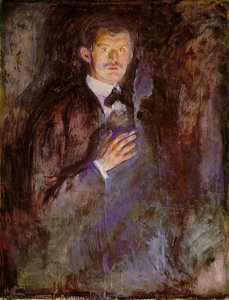
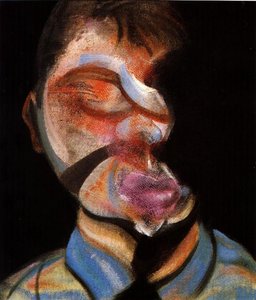
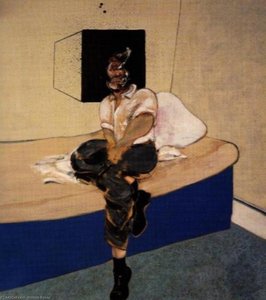
Introduction: The Enduring Fascination with Self-Representation
Introspection is the examination of one's own conscious thoughts and feelings. In psychology, the process of introspection relies on the observation of one's mental state, while in a spiritual context it may refer to the examination of one's soul. In...
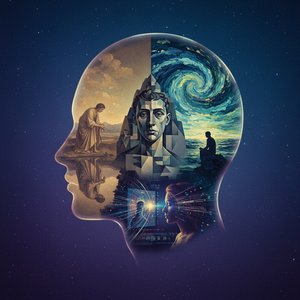
The human impulse to capture the self—to understand, define, and immortalize one’s own existence—is arguably as old as art itself. From prehistoric cave paintings hinting at shamanistic rituals of identity transformation to the meticulously rendered portraits of later eras, artists have consistently turned inward, using their craft not merely to depict appearance but to explore the complex terrain of inner life. This enduring fascination stems from a fundamental desire for self-knowledge and a recognition that the act of creation is inextricably linked to the creator’s own being. The self-portrait isn't simply an image; it’s a dialogue, a confrontation, and often, a carefully constructed narrative about who we are—or who we aspire to be.
From Mythological Origins to Renaissance Portraits: Early Expressions of Interiority
While direct self-portraits were less common in antiquity – the focus lay more on idealized forms or depictions of gods and heroes – echoes of self-awareness resonate within mythological narratives. The story of Narcissus, captivated by his own reflection, serves as a potent early symbol of self-obsession and the perilous allure of the image. However, it was during the Renaissance that the self-portrait truly blossomed. Artists like Jan van Eyck, in works such as *The Arnolfini Portrait* (which subtly includes his own likeness), began to assert their presence within their creations, not merely as skilled technicians but as individuals with agency and identity. This period saw a shift from anonymous craftsmanship to the celebration of artistic genius, and self-portraiture became a means of establishing reputation and demonstrating technical prowess. The gaze in these early portraits is often direct, challenging the viewer and proclaiming the artist’s skill and intellect. It's not merely about *looking* at a person; it’s about acknowledging their presence as an author of their own image.
The Romantic Gaze: Delacroix, Spilliaert and the Exploration of Subjective Experience
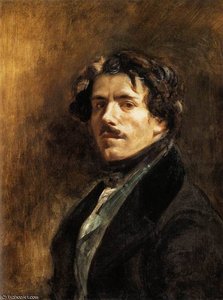 eugene self portrait
Examine Eugène Delacroix’s ‘Eugene Self Portrait,’ a Romantic masterpiece! Explore its textured oil painting, introspective mood & subtle symbolism. Discover this iconic artwork.
The Romantic era witnessed a profound shift towards emotional intensity and subjective experience. Artists moved away from classical ideals of beauty and harmony, embracing instead the power of individual feeling and imagination. Eugène Delacroix’s *Self-Portrait* (1837) exemplifies this turn inward. The textured oil painting captures not just his physical features but also a sense of brooding introspection and restless energy. His gaze is less confrontational than those of Renaissance masters, more lost in thought, hinting at the complexities of the artist's inner world. Simultaneously, Léon Spilliaert’s work offers a uniquely melancholic exploration of selfhood. His introspective self-portraits, often rendered in muted tones and dreamlike landscapes, delve into themes of solitude, anxiety, and the mysterious depths of the human psyche. Spilliaert’s art is characterized by its evocative use of line and shadow, creating an atmosphere of profound psychological depth—a world where the self is fragmented and elusive.
Modernism's Introspective Turn: Cézanne, Schiele & the Fragmentation of Identity
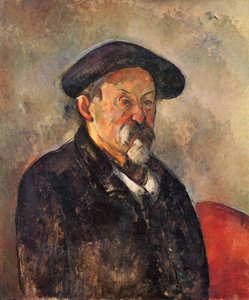 Self-Portrait with Beret
Explore Paul Cézanne's introspective 'Self-Portrait with Beret' (1900). A pivotal work bridging Impressionism & Cubism, showcasing his innovative brushwork and influence on modern art.
The advent of Modernism brought with it a radical questioning of traditional artistic conventions. Artists began to experiment with form, color, and perspective, seeking new ways to represent the complexities of modern life. Paul Cézanne’s *Self-Portrait with Beret* (1900) is pivotal in this transition, bridging Impressionism and Cubism. His innovative brushwork and emphasis on underlying structure foreshadowed the fragmentation of form that would become a hallmark of 20th-century art. This portrait isn't about capturing a likeness; it’s about exploring the very *process* of perception—how we see and construct reality. Egon Schiele, meanwhile, took introspection to its most extreme. His bold portraits are characterized by their raw emotionality, distorted figures, and unflinching exploration of psychological themes. Schiele's self-portraits often depict himself in states of vulnerability, anxiety, or even anguish, reflecting a profound sense of alienation and existential questioning. He wasn’t interested in flattering representations; he sought to reveal the inner turmoil beneath the surface.
Lucian Freud and Beyond: Self-Portraiture as a Vehicle for Psychological Revelation
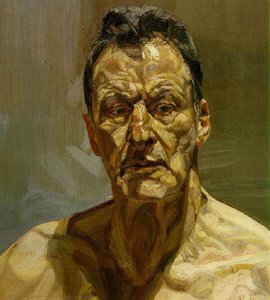 Reflection (Self-Portrait)
In the 20th and 21st centuries, artists continued to push the boundaries of self-portraiture. Lucian Freud’s *Reflection (Self-Portrait)* is a powerful example of this trend. The unflinching honesty of his depictions—often brutally realistic—reveals not just physical imperfections but also a profound sense of psychological depth. Freud's portraits are devoid of sentimentality, offering instead a stark and uncompromising vision of the self. He strips away pretense, forcing viewers to confront the raw reality of human existence. This commitment to authenticity paved the way for contemporary artists who explore themes of identity, gender, and sexuality with unprecedented openness.
Contemporary Reflections: Exploring the Self in Diverse Media and Conceptual Art
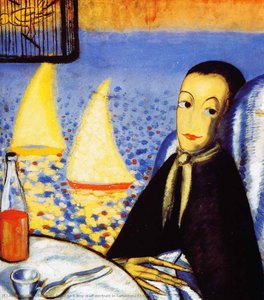
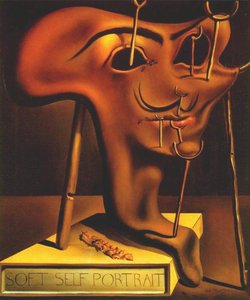
Today, self-portraiture takes on myriad forms, extending beyond traditional painting and sculpture into photography, performance art, video installation, and conceptual practices. Artists are using diverse media to explore the complexities of identity in a rapidly changing world. The boundaries between self and other become increasingly blurred as artists engage with themes of social construction, cultural representation, and personal narrative. The act of self-representation is no longer simply about capturing an image; it’s about questioning the very nature of subjectivity and challenging conventional notions of who we are. From Dorothea Tanning's surreal explorations of the subconscious to Paul Sietsema’s reflections on artistic value, contemporary artists continue to demonstrate the enduring power of the self as a subject of fascination and inquiry. The echo of self resonates through art history, evolving with each generation yet remaining fundamentally rooted in our shared human desire for understanding and connection.