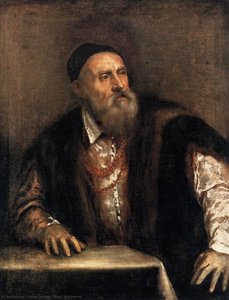
The Genesis of Likeness: Portraiture in Antiquity & Early Civilizations
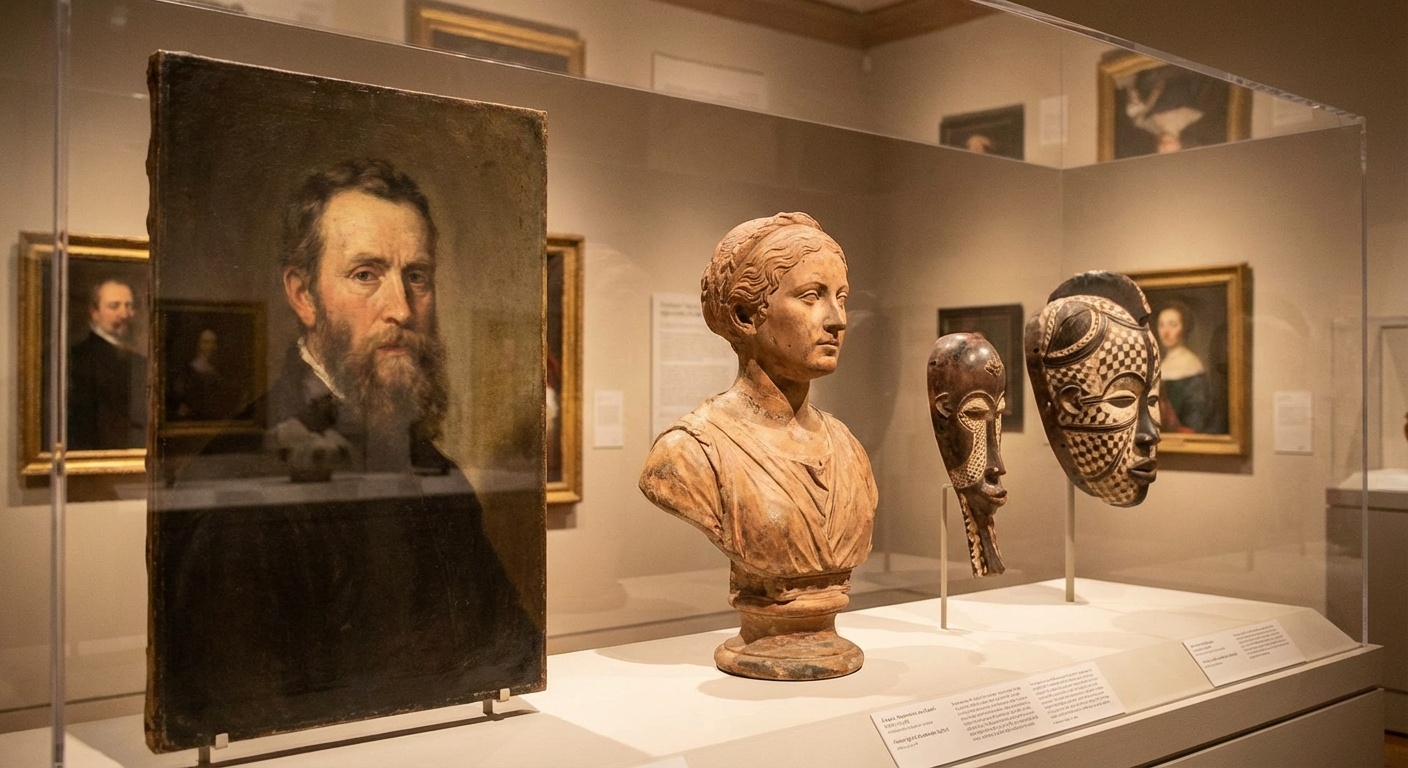
The human desire to capture likeness—to preserve memory, assert identity, and immortalize power—is as old as civilization itself. While the term “portrait” evokes images of Renaissance oil paintings or Victorian miniatures, its roots extend far deeper, into the sculpted visages of ancient Egypt and the painted funerary masks of Roman aristocracy. Early attempts weren’t merely about aesthetic representation; they were inextricably linked to religious belief and social hierarchy. Egyptian sculpture, for example, often depicted pharaohs in idealized forms, not as individuals but as divine rulers embodying eternal power. These weren't portraits in the modern sense, but rather representations of office and status, crafted with meticulous detail to ensure a successful afterlife. The Romans, inheriting Greek artistic traditions, developed a more nuanced approach, creating realistic portrait busts that emphasized individual features – wrinkles, blemishes, even signs of age – reflecting a growing appreciation for personal character alongside civic duty. These marble sculptures weren’t simply decorative; they served as powerful tools of political propaganda and familial remembrance, displayed prominently in homes and public spaces.
Renaissance Reverie: The Rise of Individualism and Portrait Innovation
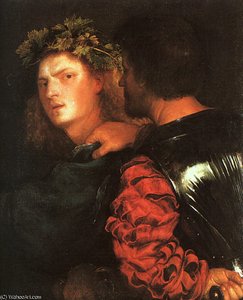 The assassin, art history museum, vienna
Tiziano Vecellio’s ‘The Assassin’ (1520) – a captivating Renaissance portrait! Explore this intimate scene of youthful beauty, rich colors & masterful oil technique. Discover its symbolism and historical significance.
The Renaissance witnessed a seismic shift in the understanding of portraiture, fueled by the burgeoning humanist movement and a renewed focus on the individual. Artists like Andrea del Sarto, with his harmonious compositions and technical brilliance, moved beyond mere representation to capture psychological depth and inner life. This era wasn’t just about *what* was painted but *how* it was painted – the subtle play of light and shadow, the meticulous rendering of fabrics, the expressive gaze that hinted at a complex personality. Commissioned portraits became increasingly popular among wealthy merchants and noble families, serving as symbols of social standing and intellectual achievement. Tiziano Vecellio’s ‘The Assassin’ (1520) exemplifies this shift; it's not simply a depiction of a young man, but an intimate study of youthful beauty tinged with mystery and perhaps even foreboding. The rich colors and masterful oil technique were hallmarks of the Venetian school, elevating portraiture to new heights of artistic expression. The invention of the printing press also played a role, allowing for wider dissemination of portraits through engravings and woodcuts, further democratizing access to images of prominent figures.
Status, Symbolism & the Gilded Canvas: Wealth and Power in Portraiture
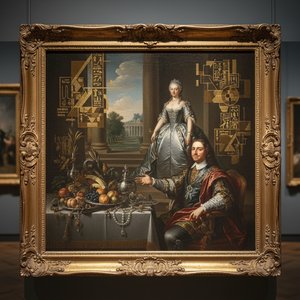 The Gilded Canvas: Exploring Representations of Wealth & Status in Art History
Explore the fascinating history of wealth & status in art! Discover how Renaissance masters depicted prosperity through portraiture, symbolism, and patronage. Expert insights for elite collectors.
Throughout art history, portraiture has been inextricably linked to wealth and power. The very act of commissioning a portrait was a statement – a demonstration of financial resources and social prominence. Renaissance masters understood this implicitly, employing elaborate symbolism to reinforce their patrons’ status and aspirations. Gold leaf, luxurious fabrics, and opulent settings were all visual cues signaling affluence and authority. A carefully chosen pose, a specific gesture, or the inclusion of symbolic objects could convey layers of meaning – from political allegiances to religious beliefs to personal virtues. Consider the prevalence of portraits featuring books or musical instruments; these weren’t merely decorative elements but indicators of education, refinement, and cultural sophistication. Even seemingly innocuous details like clothing or jewelry could communicate a wealth of information about a sitter's social standing and profession. The ‘Guard Room Scene’ by Claude Jacquand offers a fascinating glimpse into 16th-century life, where the depiction of scholarly pursuits and camaraderie subtly reinforces the intellectual prestige of the depicted figures.
Beyond Representation: Psychological Depth and Emotional Nuance in Portraits
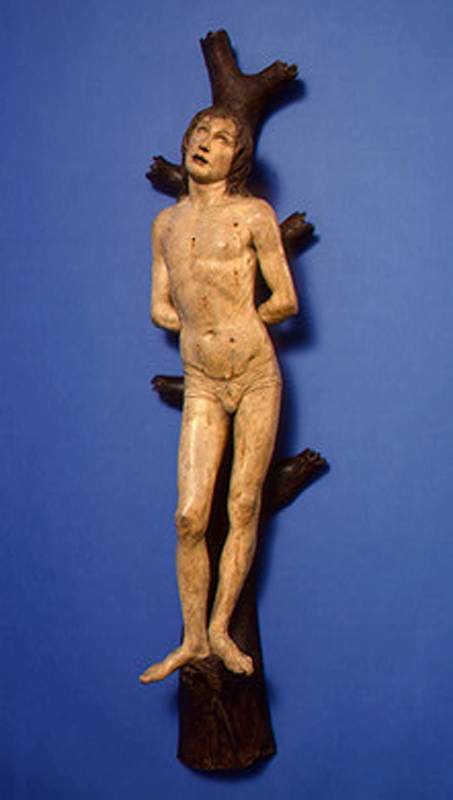 matteo civitale
Explore the art of Matteo Civitale (1436-1501), a Lucca painter known for his Renaissance works & portraits. Discover Italian artistry from the early 16th century.
As portraiture evolved, artists increasingly sought to capture not just physical likeness but also psychological depth and emotional nuance. This pursuit required a deeper understanding of human anatomy, expression, and gesture. Artists began to experiment with techniques like sfumato – the subtle blurring of lines and edges – to create a sense of atmosphere and mystery. The gaze became particularly important; it was no longer simply about looking *at* the viewer but about engaging them in a silent dialogue. Matteo Civitale, a Lucca painter known for his Renaissance works, exemplified this trend with portraits that conveyed both dignity and introspection. This focus on inner life wasn’t limited to formal portraiture; self-portraits also became increasingly popular as artists sought to explore their own identities and emotions. The ability to convey complex feelings through paint – joy, sorrow, contemplation, even anxiety – elevated portraiture from a mere technical exercise to a profound form of artistic expression.
The Modern Lens: Photography's Impact on Portrait Traditions
The invention of photography in the 19th century irrevocably altered the landscape of portraiture. Suddenly, realistic likeness could be captured with unprecedented speed and accuracy, challenging the traditional role of painting. However, rather than rendering painting obsolete, photography spurred a new wave of innovation. Artists began to explore abstraction, expressionism, and other styles that moved beyond mere representation. Photography also democratized portraiture, making it accessible to a wider audience. While early photographic portraits often mimicked painted conventions – formal poses, elaborate backdrops – artists soon began to experiment with lighting, composition, and editing techniques to create unique and evocative images. The rise of fashion photography further transformed the genre, elevating portraiture to an art form in its own right. The influence of cinema also played a significant role, shaping modern standards for visual storytelling and celebrity culture.
Self-Portraiture: An Evolving Exploration of Identity Through Art History
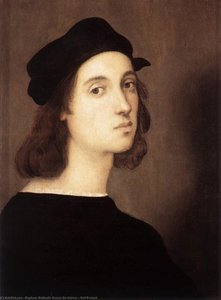
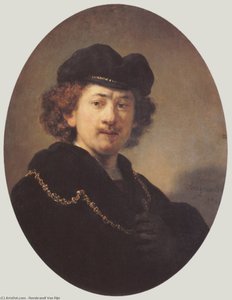
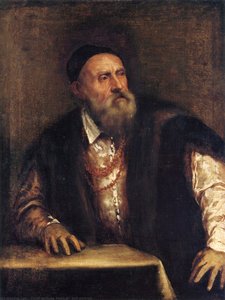
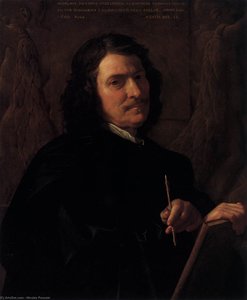
Self-portraiture, or Autoportraiture is the field of art theory and history that studies the history, means of production, circulation, reception, forms, and meanings of self-portraits. Emerging in Antiquity and becoming popular from the Renaissance ...
Self-portraiture, or autoportraiture, has always been an integral part of the broader portrait tradition. From early Renaissance masters like Andrea del Sarto meticulously documenting their own features to contemporary artists exploring themes of identity and self-representation, the act of painting oneself offers a unique opportunity for introspection and artistic experimentation. The motivations behind self-portraiture are diverse – from a desire to showcase technical skill to a need for self-expression to a fascination with mortality and the passage of time. The proliferation of “selfies” in the digital age has further blurred the lines between traditional portraiture and personal documentation, prompting new discussions about authenticity, identity, and the role of social media in shaping our perceptions of ourselves. Peter Francis Weller, known for his work as an actor and director but also a Ph.D. in Italian Renaissance Art History, exemplifies this interdisciplinary approach to understanding art’s enduring power – recognizing its connection to fashion, culture, and the ever-evolving human experience. At ArtsDot.com, we celebrate this rich history by offering museum-quality reproductions of iconic portraits, allowing you to bring the masterpieces of the past into your home and explore the enduring gaze for yourself.