Introduction: The Enduring Allure of Opulence in Art
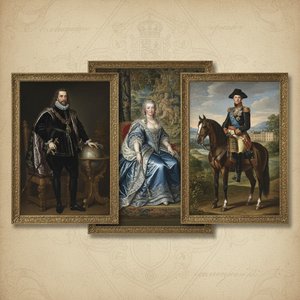
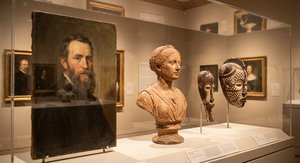
From the earliest cave paintings depicting successful hunts to the grand commissions of royal portraiture, art has always served as a mirror reflecting societal values—and perhaps none more prominently than those surrounding wealth and status. The desire to immortalize prosperity, power, and lineage is deeply ingrained in human history, manifesting itself across cultures and epochs. But it wasn’t merely about *showing* affluence; the very act of commissioning art became a potent symbol of one's position within the social hierarchy. This fascination with representing the elite continues to captivate us today, offering invaluable insights into past civilizations and the enduring human drive for recognition.
Renaissance Portraiture: Displaying Prosperity and Social Standing
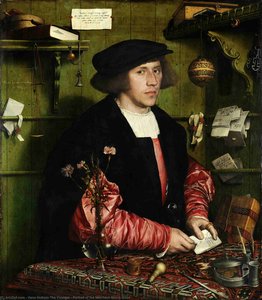
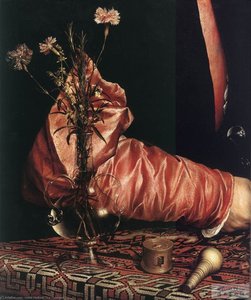 Portrait of the Merchant Georg Gisze (detail)
Admire Hans Holbein the Younger’s masterful portrait of Georg Gisze—a symbol of Renaissance wealth and detail—displayed at Gemäldegalerie Alte Meister, Dresden. Explore Northern Renaissance art history!
The Renaissance witnessed an unprecedented flourishing of portraiture, largely fueled by the rise of a merchant class eager to assert their newfound prominence. No longer solely reserved for royalty or religious figures, individuals began commissioning likenesses as tangible declarations of success. Consider Hans Holbein the Younger’s masterful Portrait of Georg Gisze (1532). Every detail—from the meticulously rendered fabrics and imported goods displayed on the shelves behind him to the very posture of the merchant—speaks volumes about his wealth and involvement in international trade. The painting isn't simply a representation; it’s an inventory of status, carefully curated for posterity. The Northern Renaissance style, with its incredible attention to detail, became synonymous with this visual language of prosperity. Artists like Holbein weren’t merely painters; they were skilled communicators of social standing.
Symbolism & Status: Deciphering the Language of Wealth in Paintings
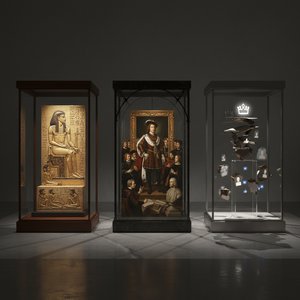
Ancient Romans reviled the opulence of the Etruscans, yet they staged huge public displays of imperial riches and supremacy during triumphs of Roman generals ...
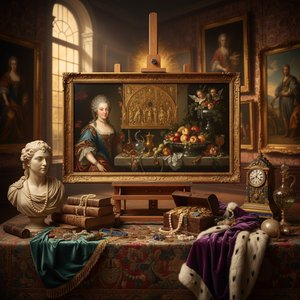
Beyond the obvious display of expensive clothing and lavish settings, Renaissance artists employed a sophisticated vocabulary of symbolism to convey wealth and status. Objects held particular significance—a book might indicate learning and intellectual refinement, while an exotic animal skin could represent exploration and far-reaching trade connections. The choice of materials also played a crucial role; certain pigments were more costly than others, instantly elevating the perceived value of a work. Even seemingly innocuous details, like the presence or absence of specific flowers, carried coded meanings understood by contemporary audiences. The ability to ‘read’ these symbols was itself a mark of social sophistication, reinforcing the exclusivity associated with elite circles. The subtle inclusion of personal emblems and family crests further solidified the sitter's identity and lineage.
The Patron's Power: Commissioning Art as a Demonstration of Influence
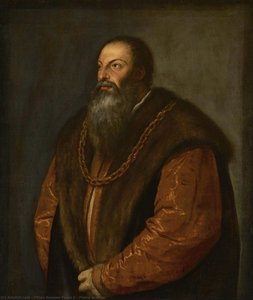 Pietro Aretino
Titian Ramsay Peale II, son of Charles Willson Peale, was steeped in artistic lineage and championed Renaissance aesthetics. He skillfully blended scientific observation with classical influences.
The act of commissioning an artwork was itself a powerful statement. It required significant financial resources, demonstrating not only wealth but also access to skilled artists—often in high demand. Patrons didn’t simply dictate the subject matter; they actively participated in the creative process, influencing composition, symbolism, and even the artist's style. Figures like Pietro Aretino, a celebrated writer and art critic of the 16th century, wielded considerable influence over artists such as Titian Ramsay Peale II, who skillfully blended scientific observation with classical aesthetics. A portrait commissioned by Aretino wasn’t just about capturing his likeness; it was about showcasing his discerning taste and intellectual prowess—and, by extension, the artist's ability to fulfill his exacting standards. The relationship between patron and artist became a complex dance of power, prestige, and artistic expression.
Beyond Material Goods: Representing Intangible Forms of Status
While material possessions were undoubtedly central to displaying wealth, Renaissance art also explored more intangible forms of status—virtue, intellect, piety, and familial honor. Portraits often depicted sitters engaged in activities that highlighted these qualities, such as reading classical texts or participating in religious ceremonies. The very *way* a subject was portrayed—their posture, gaze, and expression—could convey a sense of dignity and authority. Artists skillfully employed techniques like sfumato to create an aura of refinement and inner grace, suggesting a depth of character that transcended mere physical appearance. This emphasis on intangible qualities reflects the humanist ideals prevalent during the Renaissance, which celebrated individual achievement and intellectual pursuits.
Conclusion: The Legacy of Artistic Representations of Wealth and Elite Identity
The artistic representations of wealth and elite identity from the Renaissance continue to resonate today, offering a captivating glimpse into past societies and the enduring human fascination with status. These works are not merely beautiful objects; they are historical documents—visual testaments to power dynamics, social values, and the complex interplay between art, patronage, and self-representation. At ArtsDot.com, we believe in making these masterpieces accessible to all, allowing you to own a piece of history and connect with the enduring legacy of artistic excellence. Explore our collection of handmade oil paintings and museum-quality prints, and discover the stories behind the gilded canvases that have captivated generations.