The Classical Roots: From Greek Idealism to Renaissance Revival
The human form has been central to artistic endeavor since antiquity, a testament to our enduring fascination with beauty, strength, and the very essence of being. The ancient Greeks didn’t merely *represent* the body; they sought to embody ideal proportions, mathematical harmony made visible in marble and bronze. Sculptors like Polykleitos codified these ideals – the Doryphoros (Spear-Bearer) becoming a benchmark for perfect male anatomy. This wasn't simply about replicating physical appearance but constructing an image of civic virtue and philosophical perfection. The Roman adoption and adaptation of Greek forms further cemented this emphasis on realistic, albeit idealized, representation. However, with the decline of classical empires, the focus shifted, and it was not until the Renaissance that a renewed interest in the human figure truly blossomed.
The rediscovery of classical texts and sculptures during the Italian Renaissance sparked a fervent desire to recapture the lost knowledge of antiquity. Artists like Leonardo da Vinci undertook meticulous anatomical studies, dissecting cadavers to understand the underlying structure of the body with unprecedented accuracy. Michelangelo’s David stands as an iconic example – not just a technical marvel but a celebration of human potential and divine creation. This period saw a move towards naturalism, yet even in its pursuit of realism, Renaissance art often imbued the figure with symbolic meaning, drawing upon classical mythology and religious narratives. The model, though largely anonymous at this stage, became instrumental in realizing these ambitious artistic visions.
The Rise of the Professional Model: Anonymity, Labor & the Academy
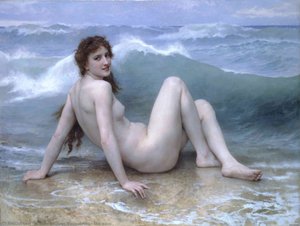
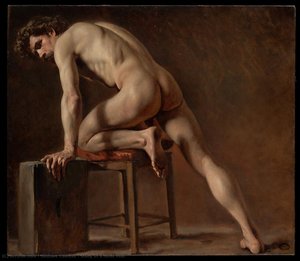
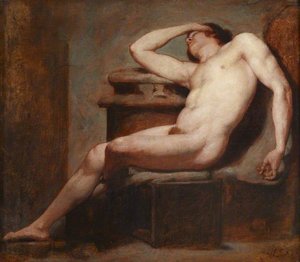
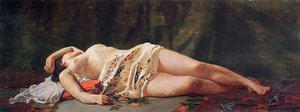
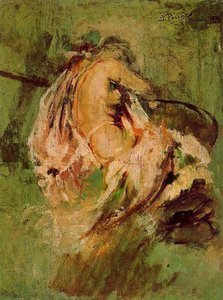
An art model is a person who poses, often nude, for visual artists as part of the creative process, providing a reference for the human body in a work of art. The importance of the human figure in Western art begins with the Ancient Greeks, which was...
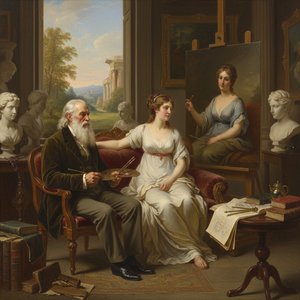
As art evolved beyond the patronage of the church and aristocracy, a more formalized system for studying the human form emerged. The establishment of academies across Europe – particularly in France – led to the rise of the professional model as an occupation. Life classes became central to artistic training, providing students with opportunities to hone their skills through rigorous observation and rendering. These models, often from modest backgrounds, posed nude, offering themselves as living canvases for aspiring artists.
For centuries, these individuals remained largely nameless, their identities subsumed by the demands of artistic practice. The occupation was physically demanding, requiring hours of stillness in challenging poses. Beyond the physical strain, there was an inherent social ambiguity to the role – a delicate balance between objectification and collaboration. The anonymity afforded models a degree of protection but also meant they were often excluded from the narratives surrounding the artworks they helped create. Academic art prioritized technical skill and adherence to established conventions; the model served as a tool for mastering these techniques, rather than being recognized as an individual contributor.
Representation vs. Experience: Stanislavski and the Art of the Pose
 Wikipedia: Art of representation
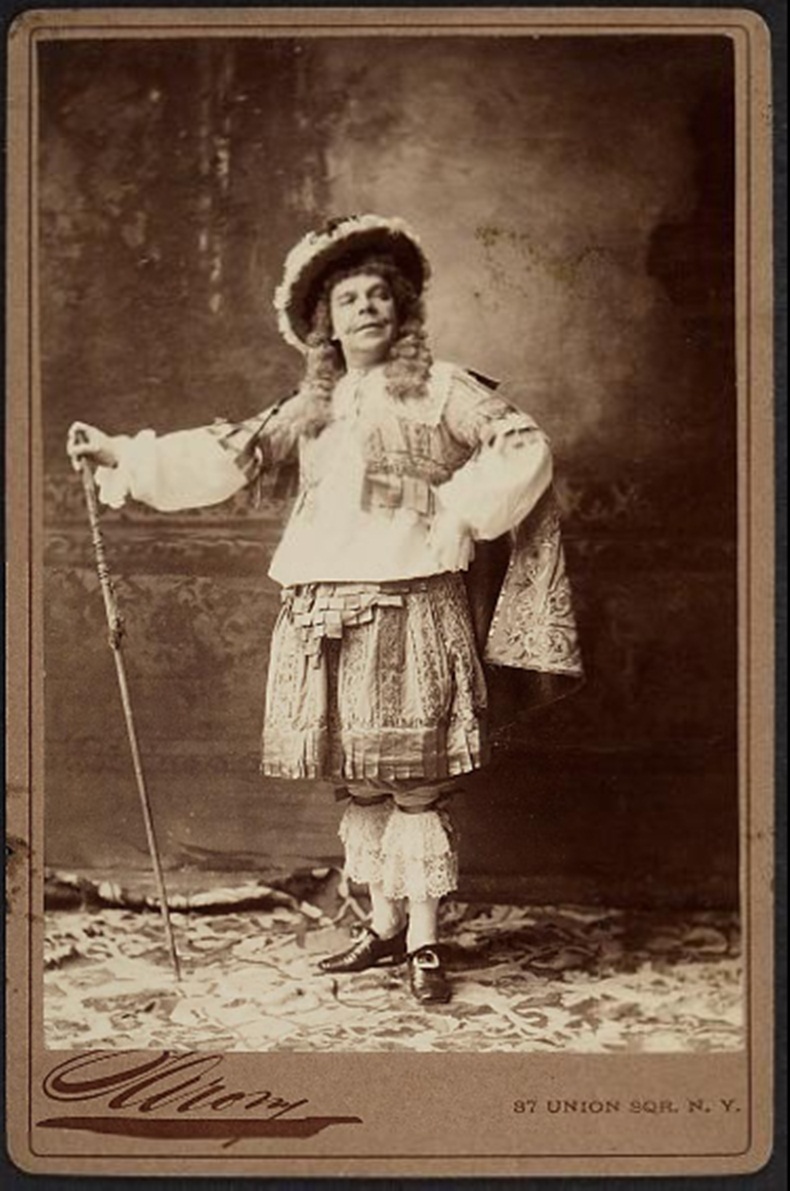
The "art of representation" (Russian: представление, romanized: predstavlenie) is a critical term used by the seminal Russian theatre practitioner Konstantin Stanislavski to describe a method of acting. It comes from his acting manual An Actor Prepar...
While academic painting focused on external representation – accurately depicting form and anatomy – other disciplines began exploring the internal life of the subject. Konstantin Stanislavski’s work in theatre, particularly his concept of “experiencing the role,” offers a fascinating parallel to the challenges faced by art models. Stanislavski contrasted the “art of representation” – merely mimicking external behaviors – with an approach that sought to embody the emotional and psychological reality of the character.
This distinction highlights a crucial tension in the relationship between artist, model, and artwork. Is the model simply providing a physical form for the artist to copy, or are they contributing something more intangible—a sense of presence, emotion, or even personality? Uta Hagen’s interpretation of Stanislavski as ‘presentational’ acting further complicates this idea, suggesting that the model's performance *is* the artwork in some ways. The subtle nuances of a pose, the expression in their eyes – these elements contribute to the overall meaning and impact of the work, moving beyond pure technical representation.
19th-Century Realism & Beyond: Challenging Conventions and Capturing Individuality
The 19th century witnessed a shift towards realism, with artists like Gustave Courbet rejecting idealized forms in favor of depicting everyday life with unflinching honesty. This movement challenged the conventions of academic art, embracing imperfection and portraying subjects from all social classes. Models were no longer solely used to demonstrate technical prowess; they became vehicles for exploring social issues and challenging societal norms.
Édouard Manet’s portraits of Victorine Meurent, for example, offer a striking departure from traditional depictions of female beauty. Meurent's gaze is direct and unapologetic, refusing to conform to conventional expectations. This period also saw the emergence of artists who sought to capture the psychological complexity of their subjects, moving beyond mere physical likeness. The Impressionists, while focused on light and color, still relied heavily on models to populate their scenes, often portraying them in moments of leisure or everyday activity. The model’s individuality began to emerge as a subject worthy of artistic exploration.
Contemporary Approaches: Reclaiming Agency and Redefining the Gaze
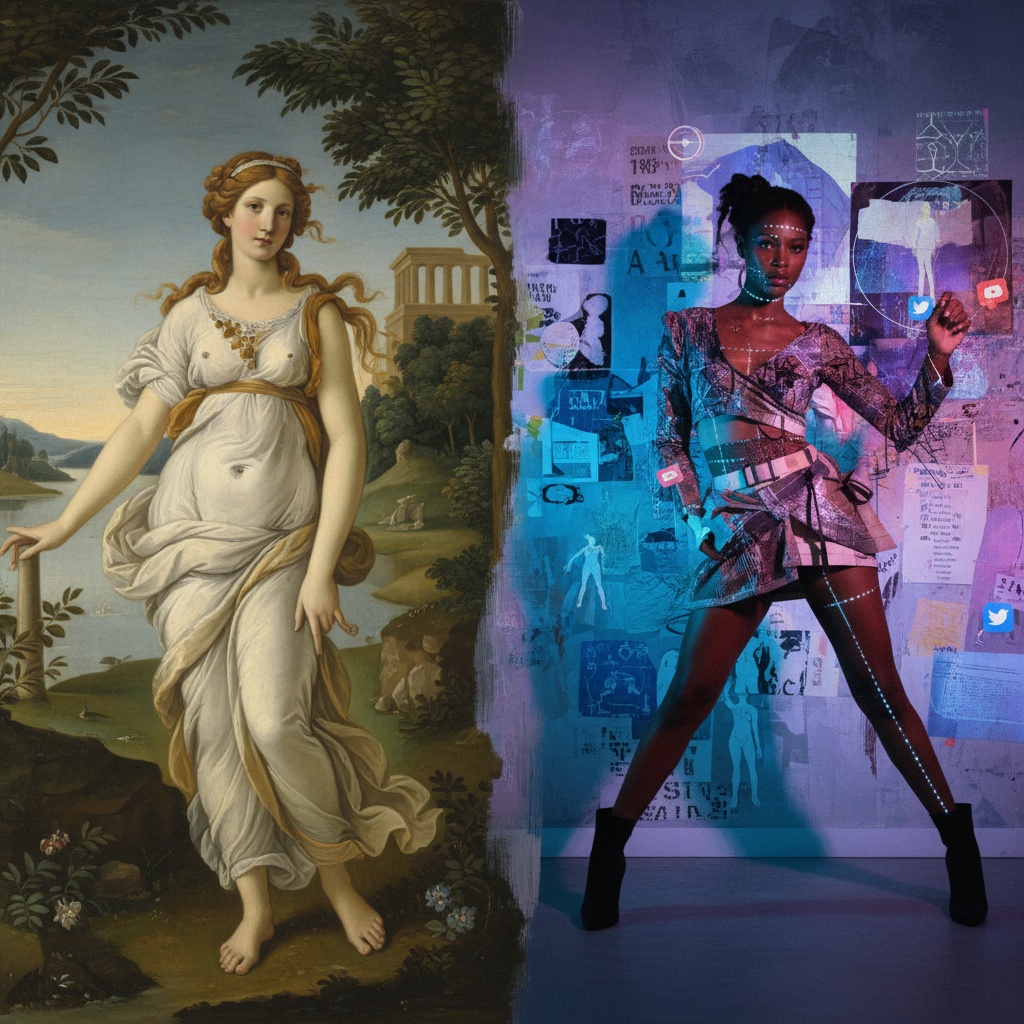
Today, contemporary artists are actively challenging traditional power dynamics surrounding the representation of the human form. Many artists collaborate with models on an equal footing, prioritizing their agency and voice. The act of posing is often framed as a performance, exploring themes of identity, vulnerability, and self-representation.
Line van Wambeke’s work exemplifies this shift, creating evocative portraits that explore the complexities of human emotion and experience. Artists are also using photography and digital media to deconstruct traditional notions of beauty and representation, challenging viewers to question their own assumptions about the body. The model is no longer simply a passive object but an active participant in the creative process, shaping the meaning and impact of the artwork.
Collecting the Figure: Investing in Legacy and Contemporary Visions
Investing in artworks featuring the human figure offers a unique opportunity to connect with centuries of artistic tradition. From classical sculptures to contemporary portraits, these works represent not only technical skill but also profound cultural values and evolving perspectives on the human condition. Whether you are drawn to the idealized forms of the Renaissance or the challenging narratives of modern realism, there is an artwork for every collector.
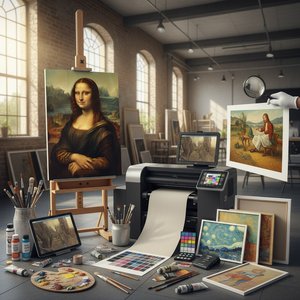
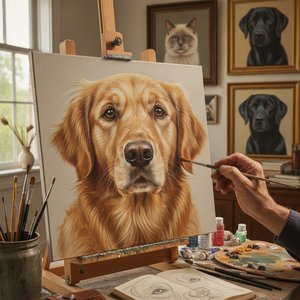
At ArtsDot, we offer a curated selection of handmade oil paintings and museum-quality reproductions, allowing you to bring these masterpieces into your home. We also specialize in custom portrait commissions, transforming personal photos into stunning artworks in the style of your favorite artist. Our expert art consultants can provide personalized guidance on selecting the perfect piece for your collection, ensuring that it reflects your individual taste and investment goals. Explore our extensive library today – from Umberto Boccioni’s studies to Francisco Pradilla's historical portraits – and discover the enduring power of the human figure in art.