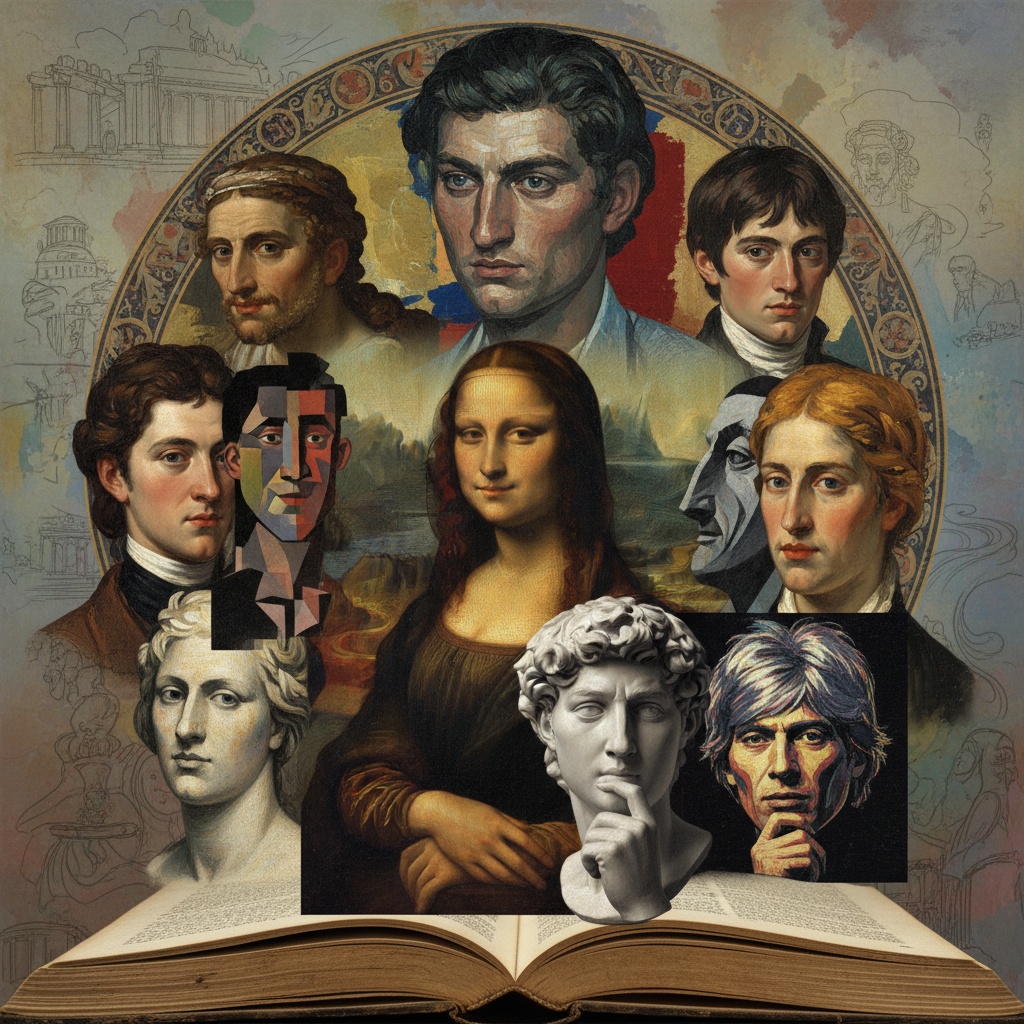
The Dawn of Representation: Ancient Roots & Early Portraiture
Art history is an academic discipline devoted to the study of artistic production and visual culture throughout human history. Art historians use a historical method or a philosophy, such as historical materialism or critical theory, to analyze artwo...
The impulse to capture likeness, to preserve a fragment of existence beyond the fleeting moment, is as old as humanity itself. While we often associate portraiture with the refined oil paintings of the Renaissance or the stately miniatures of the Victorian era, its origins lie far earlier – in the prehistoric carvings and funerary masks that sought not merely to depict, but to embody the spirit of the departed. Consider the haunting beauty of Egyptian sarcophagi, their painted surfaces offering idealized representations intended to guide the soul through the afterlife. These weren’t simply portraits in our modern sense; they were transformative objects, imbued with religious significance and a profound belief in continuity beyond death. The Fayum mummy portraits, dating from Roman Egypt, represent a fascinating transition – remarkably realistic depictions of individuals painted onto wooden boards placed over their faces. They offer an intimate glimpse into the lives of ordinary people, a startling connection across millennia. These early examples demonstrate that portraiture wasn’t born out of vanity or aesthetic pursuit, but from deeply held spiritual and cultural needs—a desire to remember, to honor, and perhaps, to conquer mortality itself.
Renaissance Portraits: Humanism, Identity & Artistic Innovation
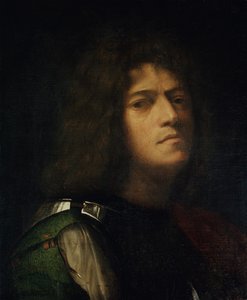
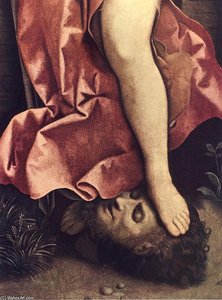
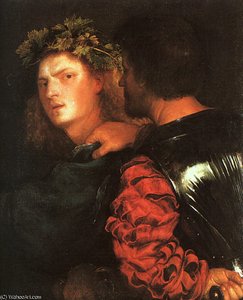 The assassin, art history museum, vienna
Tiziano Vecellio’s ‘The Assassin’ (1520) – a captivating Renaissance portrait! Explore this intimate scene of youthful beauty, rich colors & masterful oil technique. Discover its symbolism and historical significance.
The Renaissance witnessed a seismic shift in the understanding of humanity, fueled by a renewed interest in classical learning and a burgeoning sense of individualism. This intellectual ferment profoundly impacted portraiture, transforming it from a largely religious or commemorative practice into an exploration of personality, status, and inner life. Artists like Matteo Civitale, working in 16th-century Lucca, masterfully captured the subtle nuances of character, employing techniques such as sfumato – the delicate blurring of lines to create a sense of depth and realism. The portraits of this era weren’t simply about *what* someone looked like; they were about *who* they were, their place in society, and their aspirations. Tiziano Vecellio’s ‘The Assassin’ (1520) exemplifies this shift – a captivating depiction of youthful beauty imbued with an unsettling psychological tension. The rich colors and masterful oil technique draw the viewer into the scene, prompting questions about the subject's identity and motivations. Furthermore, the patronage system played a crucial role; wealthy families commissioned portraits not only to celebrate their lineage but also to project an image of power and refinement. This era saw the rise of standardized portrait types – three-quarter length poses, elaborate costumes, symbolic objects – all designed to convey specific messages about the sitter’s social standing and moral character.
Baroque & Rococo: Drama, Power & the Intimate Gaze
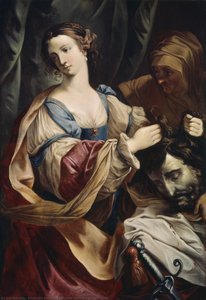 Judith with the Head of Holofernes
Admire Elisabetta Sirani’s "Judith with Holofernes." A Baroque masterpiece of grief & power, showcasing rich detail & dramatic lighting. Explore this iconic 1665 oil painting.
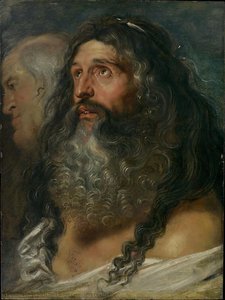
The Baroque period embraced drama, grandeur, and emotional intensity. Portraiture reflected this aesthetic shift, becoming increasingly theatrical and opulent. Artists like Elisabetta Sirani, with her powerful “Judith with Holofernes” (1665), explored themes of grief, power, and female agency through dramatic lighting and expressive brushwork. The gaze in Baroque portraits became more direct, engaging the viewer with a sense of immediacy and psychological depth. Rococo portraiture, while still emphasizing elegance and refinement, adopted a lighter, more playful tone. Artists focused on capturing fleeting moments of intimacy and social grace, often depicting their subjects in idyllic settings surrounded by symbols of wealth and leisure. The courtly portraits of this era were designed to project an image of aristocratic sophistication and pleasure – a world of delicate beauty and refined sensibilities. Bernaert de Ryckere’s dramatic paintings exemplify the Flemish mastery of realism and emotional depth, capturing both the physical likeness and the inner turmoil of his subjects.
19th-Century Portraiture: Capturing Realism and Inner Worlds
The 19th century witnessed a renewed emphasis on realism and psychological insight in portraiture. Artists sought to capture not just the outward appearance of their subjects but also their inner lives, their emotions, and their social context. The rise of photography presented both a challenge and an opportunity – forcing painters to move beyond mere imitation and explore new ways of representing personality and character. The Pre-Raphaelites, with their meticulous attention to detail and symbolic imagery, sought to evoke a sense of spiritual depth and emotional intensity in their portraits. Simultaneously, artists like Gustave Courbet embraced a more direct and unidealized approach, depicting their subjects with unflinching honesty. This era also saw the emergence of portraiture as a means of social commentary – capturing the lives of ordinary people and challenging traditional notions of beauty and status. The ability to convey subtle emotions through nuanced brushwork and expressive poses became paramount.
Modernity's Fragmentation: Reimagining Portraiture in the 20th Century
The 20th century shattered many artistic conventions, including those surrounding portraiture. Artists experimented with new forms, techniques, and perspectives, challenging traditional notions of representation and identity. Cubism, pioneered by artists like Pablo Picasso, fragmented the human form, presenting multiple viewpoints simultaneously – a radical departure from the single, unified perspective that had dominated Western art for centuries. Other movements, such as Expressionism and Surrealism, explored the inner psyche, depicting distorted figures and dreamlike landscapes to convey emotions and subconscious thoughts. The rise of photography continued to influence portraiture, leading artists to explore abstraction, collage, and other non-representational forms. Peter Francis Weller, a scholar with a Ph.D. in Italian Renaissance Art History, embodies this interdisciplinary approach – demonstrating how art history can inform contemporary artistic practice and cultural understanding. The very definition of “portrait” expanded to include abstract compositions, performance art, and even digital representations.
Portraiture Today: Beyond Likeness – Identity, Technology & the Future of Representation
Today, portraiture continues to evolve, reflecting our increasingly complex and fragmented world. Artists are exploring themes of identity, gender, race, and social justice through a diverse range of mediums and techniques. Digital art and artificial intelligence are challenging traditional notions of authorship and representation – raising questions about the role of the artist and the nature of creativity. The boundaries between portraiture and self-portraiture have become increasingly blurred, with artists using social media and other platforms to construct and present their own identities. The enduring power of the gaze remains central – prompting us to question our perceptions, challenge our assumptions, and engage in a dialogue about who we are and how we see ourselves and others. At ArtsDot.com, we celebrate this rich history and ongoing evolution by offering high-quality reproductions of iconic portraits alongside opportunities for custom paintings from photos, allowing you to connect with the masterpieces of the past and create your own lasting legacy. Explore our extensive collection, discover new artists, and embark on a journey through the fascinating world of portraiture – a testament to the enduring human desire to capture likeness, preserve memory, and explore the depths of the soul.