The Roots of Representation: Family Portraiture in Antiquity & Early Dynasties
Roman portraiture was one of the most significant periods in the development of portrait art. The surviving portraits of individuals are almost entirely sculptures, covering a period of almost five centuries. Roman portraiture is characterised by unu...
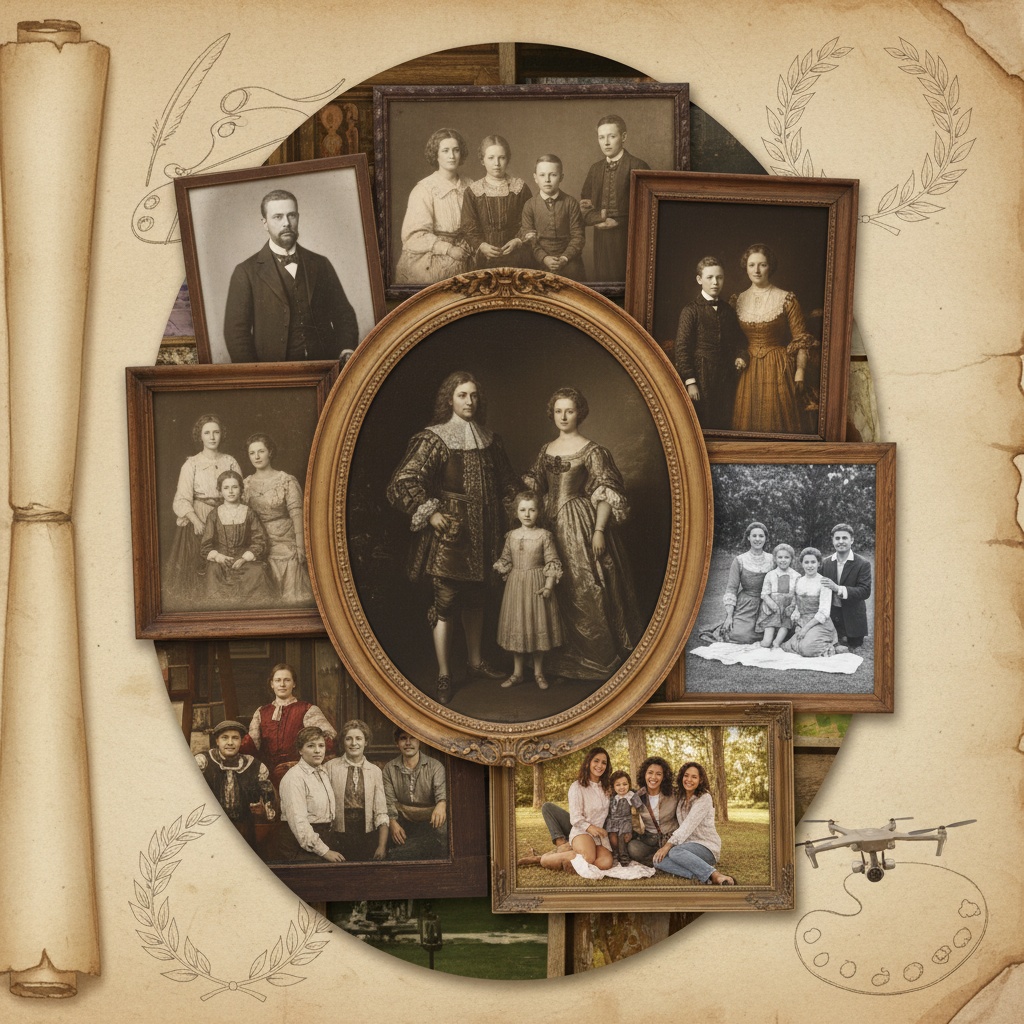
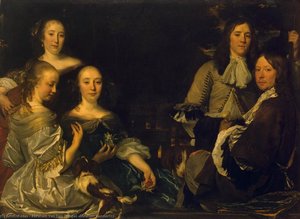
The impulse to capture the likeness of loved ones, to solidify familial bonds through artistic representation, is a deeply ingrained human desire stretching back millennia. While the term “family portrait” evokes images of oil paintings and stately poses, its origins lie far earlier, in the rudimentary yet profoundly meaningful attempts of ancient civilizations to preserve memory and denote status. Roman portraiture, for instance, wasn’t merely about aesthetic beauty; it was a powerful tool for establishing lineage and civic duty. The remarkably realistic sculptures—often commissioned after the death of an ancestor—were not idealized representations but rather unflinching depictions intended to convey strength, character, and a tangible connection to the past. These weren't simply faces in marble; they were embodiments of power and heritage, displayed prominently in homes as a constant reminder of familial achievements. Funerary art, with its paired reliefs of married couples, reveals a society keenly aware of legacy and the importance of commemorating those who came before. The desire to be *remembered*, to transcend mortality through artistic form, fueled this early tradition. Even earlier examples, though less focused on individual likeness, demonstrate a similar impulse – Egyptian tomb paintings depicting entire families participating in daily life or serving their gods, offering glimpses into the social structures and values of those societies.
Renaissance Revelations: Status, Symbolism, and Artistic Innovation
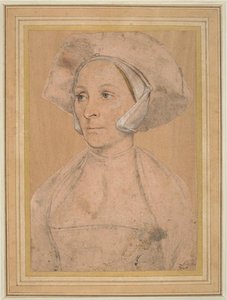 Portrait of an Englishwoman
Hans Holbein the Younger’s 'Portrait of an Englishwoman' (1532) showcases stunning realism & detail in a muted watercolor style. A captivating Renaissance portrait, perfect for art enthusiasts and collectors.
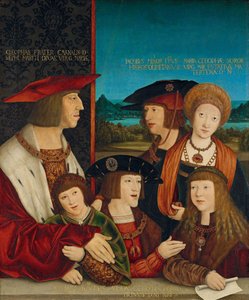
The Renaissance witnessed an explosion of artistic skill and a renewed focus on humanism, profoundly impacting the evolution of family portraiture. No longer solely reserved for emperors or senators, portraits became increasingly accessible to wealthy merchants and nobles eager to showcase their prosperity and social standing. Artists like Hans Holbein the Younger elevated the genre to new heights with stunning realism and meticulous detail – exemplified in works such as “Portrait of an Englishwoman” (1532). These weren’t simply likenesses; they were carefully constructed statements about wealth, education, and piety. The inclusion of specific objects—a lute signifying musical talent, a book denoting learning, or elaborate clothing indicating affluence—became coded symbols understood by the discerning viewer. Composition itself was laden with meaning: positioning within the frame, gestures, and even the direction of gaze all contributed to the overall narrative. The patronage system further shaped this era; families commissioned portraits not just as personal mementos but as investments in their reputation, intended to be passed down through generations as testaments to their lineage and accomplishments. The use of watercolor techniques allowed for a delicate rendering of fabrics and skin tones, adding to the sense of refinement and sophistication.
The 18th & 19th Centuries: Capturing Intimacy and Social Standing
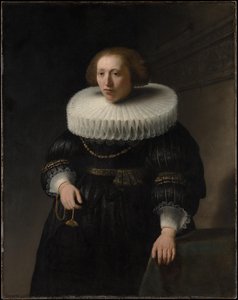
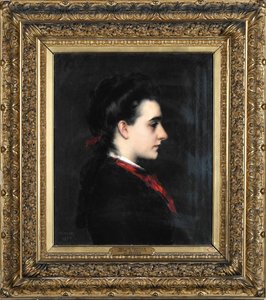 Jeanne Pasteur, née Boutroux
Admire 'Jeanne Pasteur' by Henner (1877), a stunning 19th-century portrait in the style of academic realism. Explore this elegant piece & discover more about its artist and historical context.
As societal norms shifted in the 18th and 19th centuries, so too did the conventions of family portraiture. While grandeur remained important, there was a growing emphasis on capturing intimacy and emotional connection within the domestic sphere. Artists began to depict families engaged in everyday activities—reading together, playing music, or simply sharing a quiet moment—creating scenes that felt more relatable and personal. Karl Joseph Stieler’s exquisite 1848 portrait of the Saxe-Altenburg family perfectly embodies this shift. The neoclassical style emphasizes noble elegance and regal bonds, but it's the subtle interactions between family members that truly captivate. This period also saw a rise in academic realism, exemplified by artists like Jean-Jacques Henner, who focused on capturing the psychological depth of his subjects – as seen in “Jeanne Pasteur, née Boutroux” (1877). The Victorian era, with its emphasis on morality and domesticity, further solidified this trend. Portraits became symbols of familial virtue and social respectability, often displayed prominently in parlors to impress visitors and reinforce the family’s position within society.
Beyond Realism: Exploring Diverse Styles in Family Portraiture
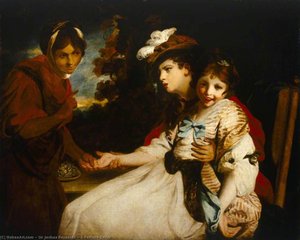
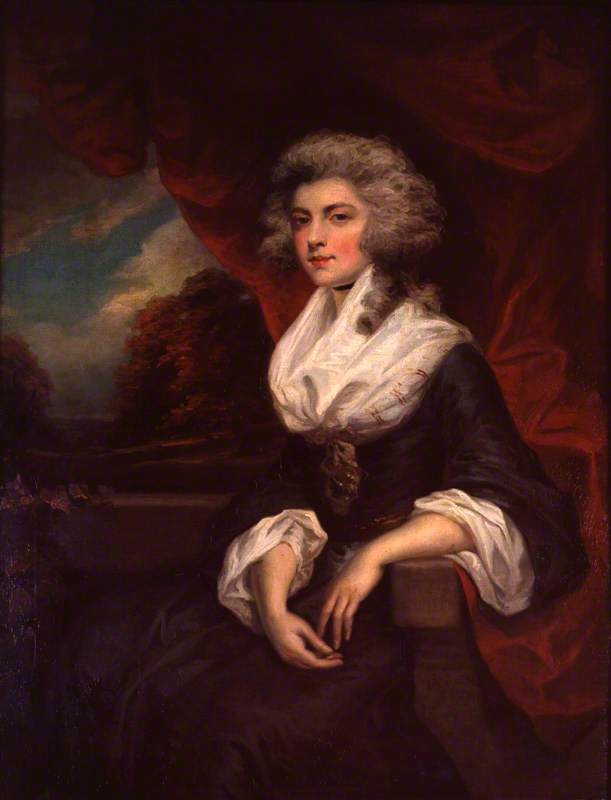 john westbrooke chandler
John Westbrook Chandler (1764-1807) was a British portrait painter known for his elegant depictions of Scottish gentry & families, including Shakespearean themes.
The 19th century wasn't solely defined by academic realism. Artists like John Westbrook Chandler demonstrated a penchant for elegant depictions of Scottish gentry, often incorporating Shakespearean themes into their compositions – adding layers of intellectual and cultural significance to their work. This period also saw the emergence of diverse styles, reflecting broader artistic movements. From the romanticism of Delacroix to the pre-Raphaelite brotherhood’s focus on narrative detail, artists experimented with different techniques and approaches to portraiture. Some embraced looser brushstrokes and more expressive color palettes, prioritizing emotional impact over strict realism. Others explored symbolism and allegory, imbuing their portraits with hidden meanings and philosophical undertones. This stylistic diversity allowed families to choose portraits that reflected not only their social standing but also their individual tastes and intellectual pursuits. The exploration of light and shadow became increasingly important, adding depth and drama to the compositions.
Contemporary Approaches: Reimagining the Family Portrait for a New Era
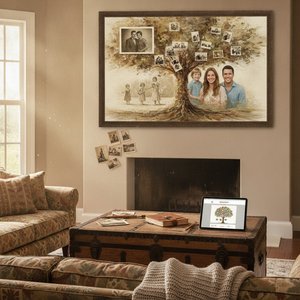
Today, family portraiture is undergoing another transformation. While traditional oil paintings remain popular, contemporary artists are pushing boundaries and exploring new mediums—photography, digital art, mixed media—to capture the essence of modern families. There’s a growing desire to move beyond posed perfection and embrace authenticity and individuality. The concept of “snapshot-to-legacy” is gaining traction, with artists offering custom portraits inspired by Old Master techniques but based on candid photographs – transforming cherished memories into lasting heirlooms. This approach allows for greater personalization and emotional resonance. Furthermore, the rise of social media has created new avenues for sharing and celebrating family connections. While a formal portrait may still be commissioned for special occasions, everyday snapshots often serve as equally meaningful representations of familial bonds. Artists are responding to this shift by offering portraits that feel more relatable, intimate, and reflective of contemporary life.
Collecting Family Portraits: Considerations for Discerning Art Enthusiasts
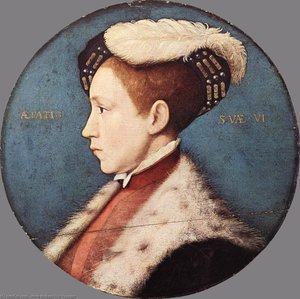
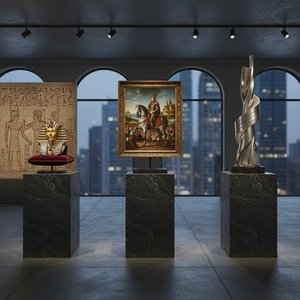 The Embodiment of Power: Exploring Representations of Status in Art History
Explore the fascinating history of status symbols in art! Discover how Renaissance portraits conveyed wealth, power & legacy. Expert insights for discerning collectors at ArtsDot.
For the discerning art collector, family portraits offer a unique opportunity to acquire pieces rich in history, symbolism, and artistic merit. When considering a purchase, it’s crucial to assess not only the aesthetic quality of the work but also its provenance—the documented history of ownership. Understanding the artist's background, the social context in which the portrait was created, and the identity of the sitters can significantly enhance its value and significance. Provenance adds layers of narrative and authenticity to the artwork. Look for portraits that demonstrate exceptional skill, attention to detail, and a compelling composition. Consider the style—does it align with your personal taste and existing collection? Furthermore, assess the condition of the work—restoration can impact its value, so it’s important to consult with an art expert before making a purchase. ArtsDot.com offers free artwork appraisal services to assist collectors in evaluating potential acquisitions. Ultimately, the most rewarding family portraits are those that resonate with you on a personal level—pieces that tell a story and capture the enduring power of familial bonds. Whether you’re seeking a masterpiece from the Renaissance or a contemporary reimagining of the genre, ArtsDot provides access to a diverse collection of museum-quality reproductions and custom commissions.