The Enlightenment's Embrace: Setting the Stage for Neoclassicism
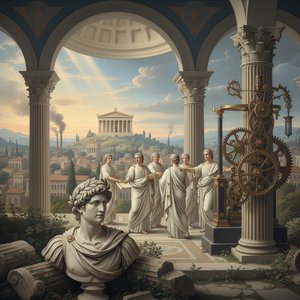
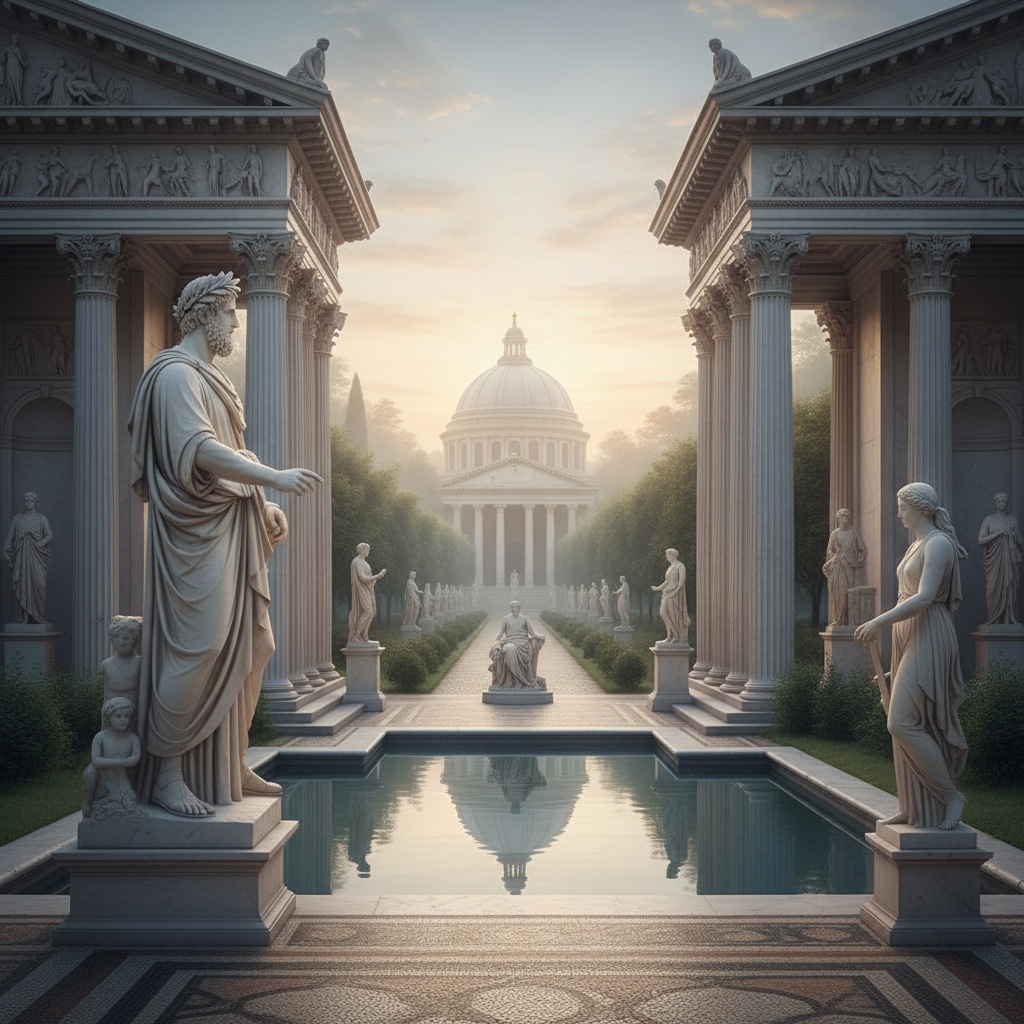
The mid-18th century witnessed a profound shift in European thought, a period we now recognize as the Enlightenment. Reason and logic began to eclipse faith and tradition, fostering a renewed interest in the classical world – not merely as a historical curiosity, but as a model for societal improvement and artistic excellence. This intellectual ferment directly fueled the rise of Neoclassicism, an aesthetic movement that sought to emulate the perceived purity, order, and moral gravity of ancient Greece and Rome. The Rococo style, with its frivolous ornamentation and pastel palettes, came to be seen as decadent and superficial, a symptom of aristocratic excess. Artists and thinkers alike yearned for something more substantial, a visual language capable of expressing civic virtue, heroism, and intellectual clarity. This wasn’t simply about copying ancient forms; it was about distilling the *principles* that underpinned them – principles of balance, harmony, and idealized representation. The rediscovery of Pompeii and Herculaneum in 1738 provided a crucial impetus, offering tangible evidence of Roman life and art that captivated the European imagination.
Jacques-Louis David: A Champion of Revolutionary Virtue and Classical Form
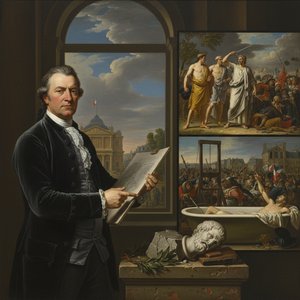
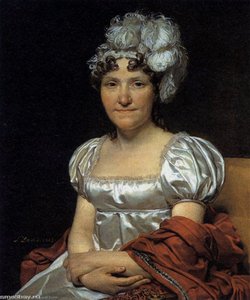
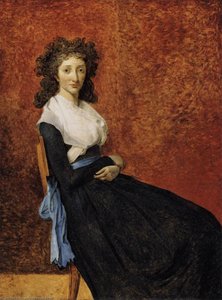
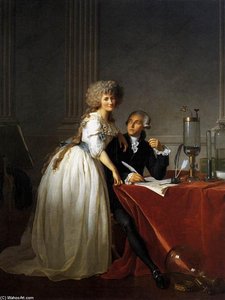
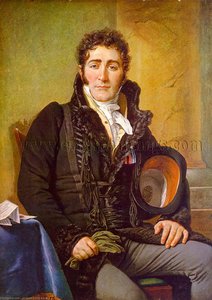
No artist embodies the spirit of Neoclassicism more fully than Jacques-Louis David. Born in 1748, David’s early struggles to win the prestigious Prix de Rome – repeatedly rejected by the Academy despite his evident talent – reveal a burgeoning dissatisfaction with the established artistic norms. His eventual triumph in 1774 marked not just personal success but also a turning point in his artistic trajectory. His time in Italy exposed him to the works of Raphael and other Renaissance masters, but it was the austere grandeur of classical sculpture that truly resonated with his sensibilities. Upon returning to Paris, David championed a style of rigorous contours, sculpted forms, and polished surfaces; history paintings were intended as moral exemplars. Works like “The Oath of the Horatii” (1784) became instant sensations, lauded for their dramatic composition, powerful figures, and clear narrative. David wasn’t merely depicting historical events; he was constructing allegories of civic duty and self-sacrifice. As the French Revolution unfolded, David wholeheartedly embraced its ideals, becoming a fervent supporter of Robespierre and an active participant in shaping the new republic's cultural landscape. His paintings during this period – “The Death of Marat” (1793) being perhaps the most iconic – served as powerful propaganda, transforming political figures into martyrs and celebrating revolutionary fervor.
Reviving Antiquity: Ideals of Beauty, Power & Moral Exemplars in Portraiture
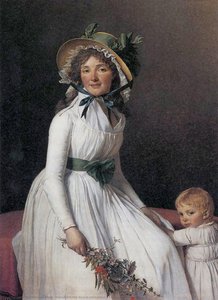
While David is best known for his history paintings, his influence extended profoundly to portraiture. Neoclassical portraits moved away from the playful informality of Rococo depictions, instead emphasizing dignity, restraint, and intellectual gravitas. Sitters were often presented against simple backgrounds, clad in classical drapery or attire suggestive of Roman virtue. The focus shifted from mere likeness to conveying character and social standing. Artists sought to capture not just *what* their subjects looked like but *who* they were – or, more accurately, who they aspired to be. The use of profile views, inspired by ancient coinage, lent a sense of timelessness and authority. Even accessories—a carefully chosen book, a classical sculpture in the background—were imbued with symbolic meaning, hinting at the sitter’s education, taste, and moral values. This pursuit of idealized beauty wasn't simply aesthetic; it was deeply intertwined with Enlightenment ideals about reason, self-control, and civic responsibility.
Beyond David: Girodet, Garnier, and the Expanding Landscape of Neoclassical Painting
Although Jacques-Louis David is often considered the central figure of Neoclassicism, a constellation of other talented artists contributed to its development and diversification. Anne-Louis Girodet de Roussié, for example, represents a fascinating bridge between Neoclassicism and Romanticism. While initially trained in David’s studio, Girodet developed a more emotionally charged style, evident in works like “The Sleep of Endymion” (1793). His paintings retain the clarity of line and compositional rigor characteristic of Neoclassicism but are infused with a heightened sense of drama and psychological intensity. Marie-Joseph François Garnier, known for his vibrant depictions of cherries and landscapes, also embraced Neoclassical principles in his portraiture, albeit with a lighter touch than David. His works often feature elegant compositions and refined brushwork, capturing the grace and sophistication of French society. These artists demonstrate that Neoclassicism wasn’t monolithic; it encompassed a range of stylistic approaches and individual interpretations.
The Grand Manner and its Influence on Neoclassical Style
Central to understanding Neoclassical painting is the concept of the “Grand Manner.” Originating in 18th-century Britain, this aesthetic approach prioritized history painting as the highest form of art, demanding that artists elevate their subjects through idealized representation and visual metaphor. Sir Joshua Reynolds articulated these principles in his *Discourses on Art*, emphasizing the importance of generalization and nobility in artistic creation. The Grand Manner wasn’t simply about depicting historical events accurately; it was about imbuing them with moral weight and conveying universal truths. This emphasis on allegory and symbolism permeated Neoclassical painting, transforming portraits into statements of civic virtue and history paintings into lessons in ethical conduct. Artists meticulously studied classical literature and mythology to find appropriate visual motifs that would enhance the narrative power of their works. The use of dramatic lighting, carefully orchestrated compositions, and idealized figures all contributed to creating a sense of grandeur and authority.
Neoclassicism's Lasting Impact: From Architecture to Modern Art
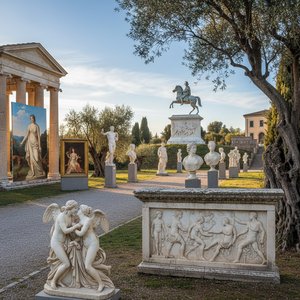
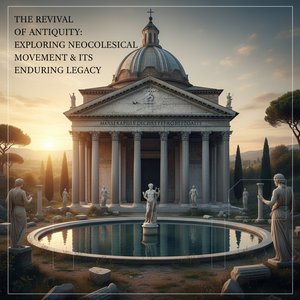
The influence of Neoclassicism extended far beyond painting, profoundly shaping architecture, sculpture, and even decorative arts. Buildings like the Panthéon in Paris – originally intended as a church but later secularized as a monument to French heroes – exemplify the movement’s emphasis on classical forms and civic ideals. Neoclassical principles continued to resonate throughout the 19th century, influencing artists across Europe and beyond. While Romanticism emerged as a reaction against Neoclassicism's perceived rigidity, many artists incorporated elements of both styles into their work. Even in the 20th and 21st centuries, echoes of Neoclassicism can be found in various artistic movements, demonstrating its enduring appeal. The pursuit of clarity, order, and idealized beauty – hallmarks of this transformative era – continues to inspire artists today. At ArtsDot, we are dedicated to preserving the legacy of these masters through high-quality reproductions that capture the essence of their vision, allowing you to bring the timeless elegance of Neoclassical art into your own home.