The Historical Context: Enlightenment Ideals & Archaeological Discoveries
The Grand Tour was the principally 17th- to early 19th-century custom of a traditional trip through Europe, with Italy as a key destination, undertaken by upper-class young European men of sufficient means and rank (typically accompanied by a tutor o...
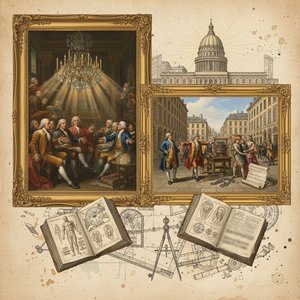
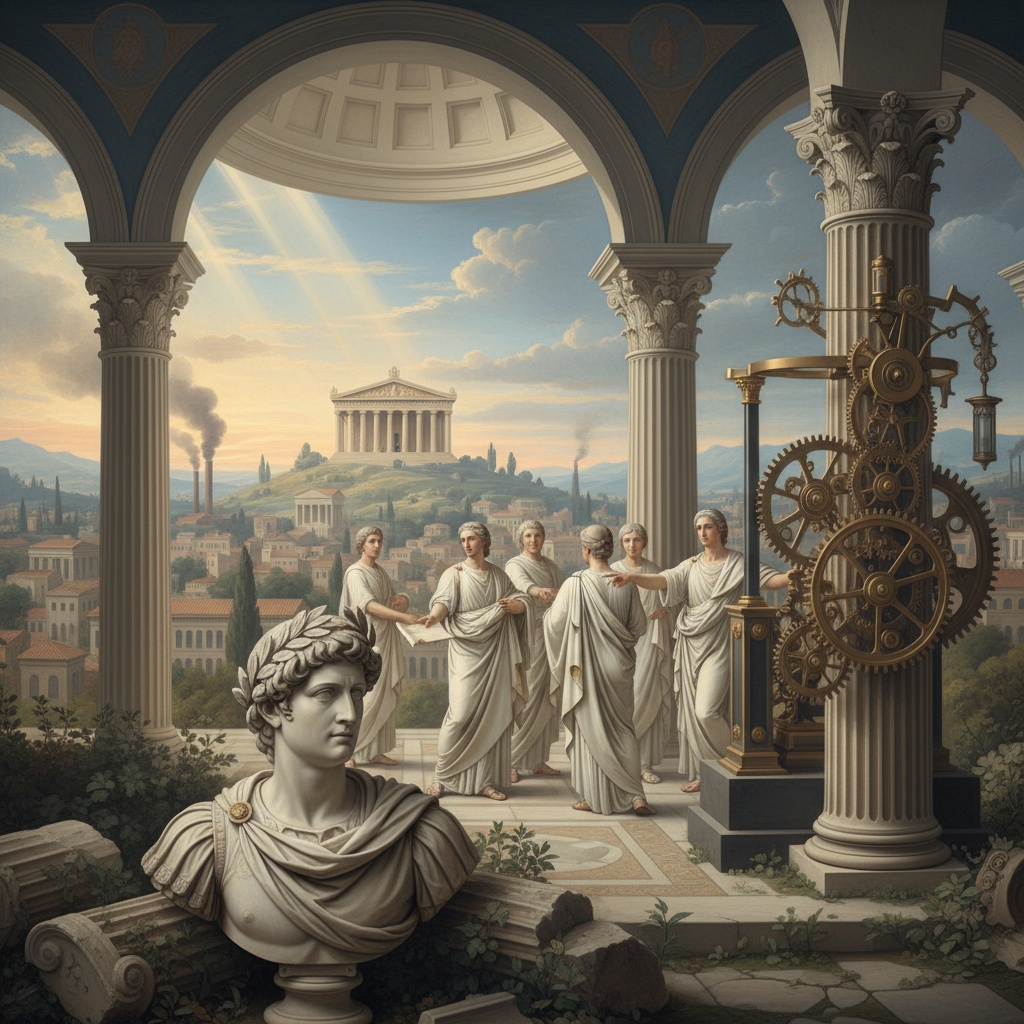
The latter half of the eighteenth century witnessed a profound shift in European thought and aesthetics, a movement we now recognize as Neoclassicism. This wasn’t merely a stylistic change; it was a cultural reckoning born from the intellectual ferment of the Enlightenment – an age that championed reason, scientific inquiry, and a renewed focus on classical antiquity. The Rococo period, with its playful frivolity and aristocratic indulgence, began to feel increasingly out of step with a society grappling with new political ideas and a burgeoning sense of civic responsibility. Simultaneously, remarkable archaeological discoveries at Pompeii and Herculaneum in the 1730s and 40s unearthed entire cities frozen in time, offering an unprecedented glimpse into the daily life, art, and architecture of ancient Rome. These findings weren’t simply curiosities; they ignited a passion for classical forms and principles that would reshape artistic expression across Europe.
The Enlightenment thinkers – Locke, Rousseau, Voltaire – emphasized human reason and natural law, fostering a belief in the power of education and civic virtue. This philosophical climate created fertile ground for an art that sought to embody these ideals. Artists began to look back to Greece and Rome not just as sources of aesthetic inspiration but as models for moral and political behavior. The rediscovery of ancient texts and artifacts provided concrete examples of a society believed to be governed by order, harmony, and rational principles – qualities increasingly valued in an era of revolution and reform.
Winckelmann's Influence: Defining Classical Beauty and Shaping Neoclassical Thought
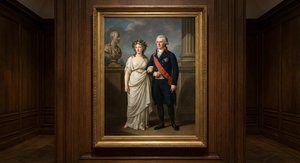
 Portrait of the Artist
Central to the rise of Neoclassicism was Johann Joachim Winckelmann, a German art historian whose writings profoundly influenced the movement’s aesthetic principles. His *History of Ancient Art* (1764) wasn’t simply a chronological account; it was a passionate argument for the superiority of Greek art, particularly sculpture. Winckelmann distinguished between Greek and Roman art, arguing that while Romans excelled at portraiture and technical skill, the Greeks achieved a higher level of artistic perfection through their emphasis on idealized beauty, simplicity, and noble character.
Winckelmann’s concept of “noble simplicity and quiet grandeur” became a guiding principle for Neoclassical artists. He believed that Greek art embodied a timeless ideal – a harmonious balance between form and content that could inspire moral upliftment. His emphasis on copying Greek models, rather than simply imitating them, encouraged artists to study the underlying principles of classical composition and strive for an authentic representation of ancient ideals. The impact of Winckelmann’s scholarship extended far beyond academic circles; it fueled a widespread fascination with classical art and architecture that permeated European culture.
Key Characteristics of Neoclassicism: Form, Subject Matter, and Artistic Techniques
Neoclassicism, also spelled Neo-classicism, emerged as a Western cultural movement in the decorative and visual arts, literature, theatre, music, and architecture that drew inspiration from the art and culture of classical antiquity. Neoclassicism wa...
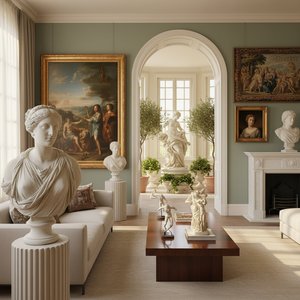
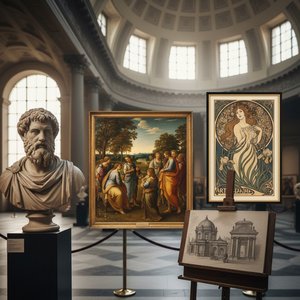
Neoclassical art is readily identifiable by its distinct characteristics. A rejection of Rococo’s ornate curves and pastel palettes, it favored clean lines, symmetrical compositions, and a restrained color scheme often dominated by whites, creams, and muted tones. Artists meticulously studied classical forms – architectural elements like columns, pediments, and domes – incorporating them into their paintings and sculptures. Subject matter shifted away from frivolous scenes of aristocratic life towards historical narratives, mythological allegories, and portraits that emphasized civic virtue and moral character.
Technically, Neoclassical painters prioritized clarity and precision. They employed a smooth, polished brushstroke, avoiding the loose, expressive techniques favored by earlier Baroque and Rococo artists. Emphasis was placed on anatomical accuracy, achieved through careful study of classical sculpture and live models. The goal wasn’t simply to depict reality but to idealize it, creating figures that embodied strength, grace, and nobility. Compositionally, Neoclassical paintings often featured a pyramidal structure, lending stability and order to the scene. Dramatic lighting was used to highlight key figures and emphasize their emotional intensity.
Jacques-Louis David: The Embodiment of the Neoclassical Style
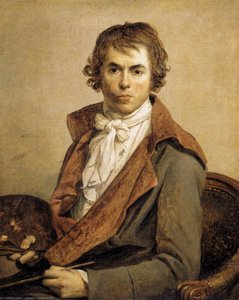
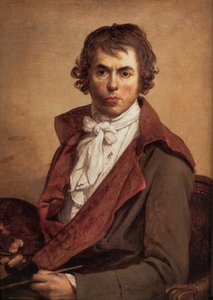 Jacques-Louis David
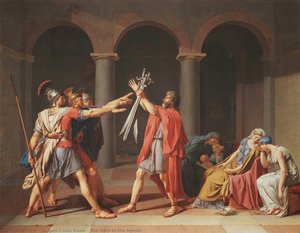
Jacques-Louis David (1748-1825): Leading French Neoclassical painter of the Revolution & Napoleonic eras. Known for 'Oath of the Horatii,' his art embodies heroism, drama & classical ideals.
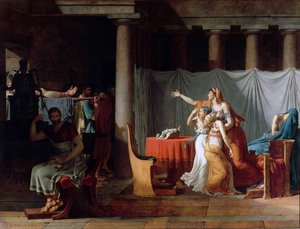
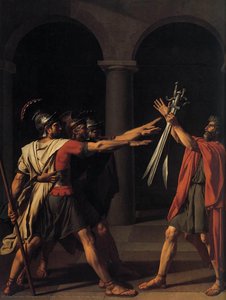
No discussion of Neoclassicism would be complete without acknowledging Jacques-Louis David (1748-1825), arguably the preeminent painter of the era. David’s early works, such as *Oath of the Horatii* (1784), signaled a decisive break from Rococo conventions and established him as a leading figure in the new artistic movement. The painting's austere composition, dramatic lighting, and emphasis on civic duty resonated deeply with the growing revolutionary fervor in France.
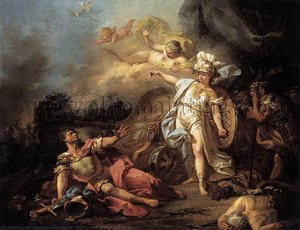
David’s art wasn’t merely aesthetically driven; it was profoundly political. He became an active supporter of the French Revolution, even serving as a member of the National Convention. His paintings often served as propaganda, glorifying revolutionary ideals and celebrating heroic figures. Works like *The Death of Marat* (1793) transformed a tragic event into a powerful symbol of sacrifice and martyrdom. Later, under Napoleon, David became the official court painter, creating grand historical canvases that celebrated the emperor’s victories and solidified his power. Paintings such as Mars Disarmed by Venus and the Three Graces(1824) demonstrate his continued mastery of classical form and allegorical representation, even as his political allegiance shifted.
Beyond Painting: Neoclassicism in Sculpture & Architecture
Neoclassicism wasn’t confined to painting; it profoundly influenced sculpture and architecture. Sculptors like Antonio Canova revived the classical ideal of beauty, creating works that emphasized grace, elegance, and anatomical perfection. His sculptures often depicted mythological figures – Venus, Cupid, Psyche – rendered in pristine white marble with a smooth, polished finish.
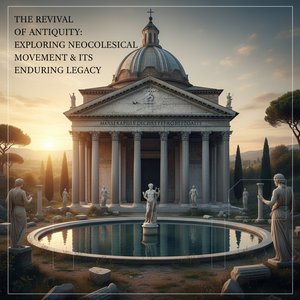
In architecture, Neoclassicism manifested as a return to the principles of symmetry, proportion, and classical ornamentation. Buildings were designed with imposing columns, pediments, and domes, evoking the grandeur of ancient Roman temples and public buildings. Architects drew inspiration from the works of Palladio and other Renaissance masters who had studied classical architecture. This style was adopted for government buildings, museums, and private residences across Europe and America, symbolizing order, stability, and civic pride.
The Enduring Legacy of Neoclassicism: Influence on Subsequent Art Movements
While the fervor of Neoclassicism eventually waned with the rise of Romanticism in the early 19th century, its influence continued to be felt for generations. The emphasis on clarity, precision, and historical accuracy laid the groundwork for academic art traditions that dominated European painting throughout the 19th century. The principles of classical composition and form continue to inform artistic practice today.
Neoclassicism’s legacy extends beyond the realm of art; it shaped architectural styles, political ideologies, and even notions of national identity. The movement's enduring appeal lies in its ability to evoke a sense of order, harmony, and timeless beauty – qualities that continue to resonate with audiences today. At ArtsDot.com, we are proud to offer high-quality reproductions of Neoclassical masterpieces, allowing you to bring the elegance and grandeur of this remarkable era into your own home.