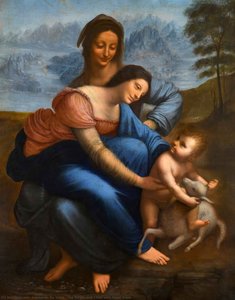
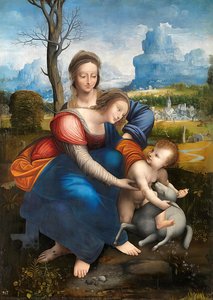
The Dawn of Oil: From Buddhist Murals to Early Netherlandish Masters
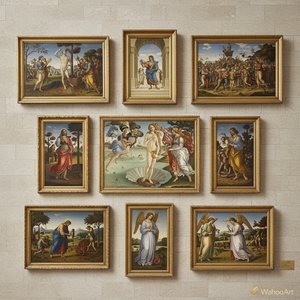 Early Renaissance Masters: 10 Paintings That Changed Art History |
Journey through the Early Renaissance! Explore 10 iconic paintings by Botticelli, Leonardo da Vinci & Michelangelo. Discover their stories, techniques & lasting impact. Find museum-quality art reproductions and elevate your home decor with .
Before the iconic landscapes of Van Gogh and the portraits of Rembrandt, before even the meticulous detail of Leonardo da Vinci, lay a quiet revolution in artistic practice – the adoption of oil paint. While often associated with the Renaissance, its origins are surprisingly distant, stretching back to the 7th century AD in the remote caves of Bamiyan, Afghanistan. Buddhist murals discovered there reveal a sophisticated understanding of pigment binding using drying oils, demonstrating that the technique wasn’t born from European ingenuity alone, but rather evolved through centuries of experimentation across cultures. These early examples weren't merely decorative; they showcased a mastery of color and detail that foreshadowed the advancements to come. However, knowledge of this method remained largely confined to Asia for nearly a millennium. It was in Northern Europe during the Early Renaissance – specifically in the workshops of Flanders – that oil paint truly began its ascent, transforming the very nature of artistic expression.
The shift wasn’t immediate. Tempera, with its fast-drying egg yolk base, had long been the dominant medium. But artists like Jan van Eyck and Robert Campin recognized the unique advantages offered by oil: a slower drying time allowing for meticulous blending and layering, richer color saturation, and an unprecedented level of realism. This wasn’t simply about technical prowess; it was about capturing light itself – the subtle play of illumination on surfaces, the delicate textures of fabrics, the very essence of life rendered with breathtaking accuracy. The introduction of linseed oil as a primary binder proved pivotal, offering greater transparency and durability than previous methods.
Renaissance Refinement: Layering, Glazing & the Pursuit of Realism
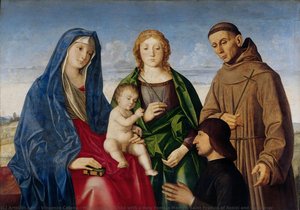 Madonna and Child with a Holy Female Martyr, Saint Francis of Assisi and the Donor
Renaissance oil painting by Vincenzo Catena (1510). Madonna & Child scene featuring Saint Francis & a martyr. Detailed realism, warm colors, and rich symbolism – a captivating devotional artwork.
The Renaissance witnessed an explosion of artistic innovation fueled by this newfound mastery of oil paint. Artists weren’t merely applying color to canvas; they were building up images through a complex process of layering and glazing. Underpainting – often executed in monochrome shades of umber or grisaille – established the foundational forms and values. Subsequent layers, applied with increasingly refined detail, gradually introduced color and texture. But it was the technique of glazing that truly set Renaissance oil painting apart. Thin, translucent veils of pigment were meticulously brushed over dried underlayers, creating a luminous depth and richness previously unattainable.
Consider Vincenzo Catena’s “Madonna and Child with a Holy Female Martyr, Saint Francis of Assisi and the Donor” (1510). The warmth of the colors, the detailed realism in the figures' expressions, and the symbolic weight of each element are all testaments to this meticulous approach. Similarly, Leonardo da Vinci’s “Madonna Litta” exemplifies the sfumato technique – a subtle blurring of edges achieved through countless layers of glazing – creating an almost ethereal quality. This pursuit of realism wasn’t merely about imitation; it was about imbuing religious scenes with emotional resonance and spiritual depth. Artists like Raffaello Botticini further refined these techniques, known for their elegant compositions and harmonious color palettes.
Color & Chemistry: The Science Behind Oil Paint's Vibrancy and Longevity
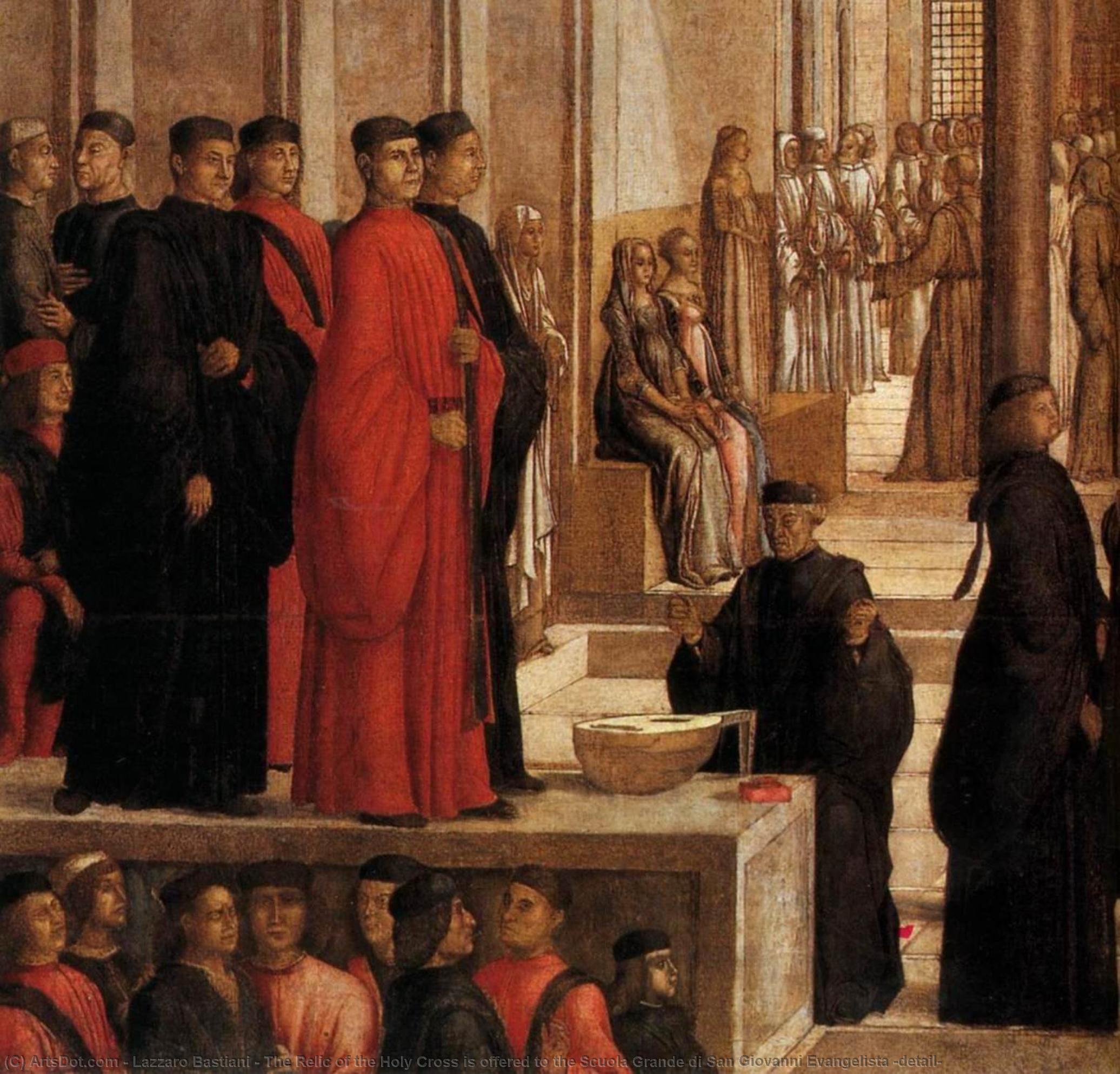 Lazzaro Bastiani
Renaissance painter Lazzaro Bastiani (1429-1512) of Venice. Known for altarpieces & religious scenes like 'St. Jerome,' explore his Venetian art.
The brilliance of Renaissance oil paintings wasn’t solely due to technique; it was inextricably linked to the materials themselves. Pigments – derived from minerals, plants, and even insects – were painstakingly ground and mixed with drying oils. Each pigment possessed unique properties, influencing its color saturation, transparency, and drying time. The choice of oil also played a crucial role. Linseed oil, while versatile, tended to yellow over time. Poppy seed oil offered greater clarity but dried more slowly. Walnut oil provided a balance between the two.
Artists weren’t simply mixing colors; they were engaging in a form of alchemy, understanding the chemical interactions between pigments and binders. The addition of resins – like pine resin or frankincense – could alter the paint's viscosity and sheen. Furthermore, the process of oxidation – the gradual hardening of oil through exposure to air – was fundamental to the longevity of these artworks. This slow transformation created a durable film that protected the pigments from degradation. Antonello da Messina, a pioneering figure in integrating Early Netherlandish techniques into Sicilian art, demonstrated an exceptional understanding of these chemical processes, resulting in paintings renowned for their lasting vibrancy.
Atmospheric Perspective & Emotional Depth in Oil Painting
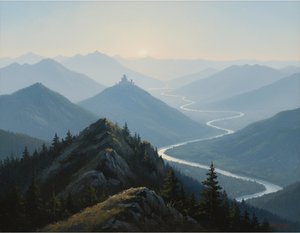 Veiled Distances: Exploring Atmospheric Perspective in Painting – Techniques, History & Emotional Resonance
Explore the art of atmospheric perspective! Discover historical techniques, scientific principles & practical tips for creating depth & mood in your paintings. Learn from masters like da Vinci and elevate your artwork.
Beyond capturing detail and color, Renaissance artists sought to create the illusion of depth and space. This led to the development of atmospheric perspective – a technique that mimics the way our eyes perceive distance. Objects further away appear paler, less detailed, and cooler in tone due to the scattering of light by intervening atmosphere. Raphael’s “The Mass at Bolsena” beautifully illustrates this principle; the landscape recedes into the background with subtle gradations of color and detail.
Veiled Distances, as it was sometimes called, wasn't merely a technical exercise; it was about evoking emotion. By creating a sense of depth and atmosphere, artists could draw viewers into the scene, fostering a deeper connection with the subject matter. The use of light and shadow – chiaroscuro – further enhanced this effect, adding drama and emotional weight to compositions. This mastery of atmospheric perspective allowed for more complex narratives and a greater sense of realism.
Beyond Representation: How Oil Paint Enabled New Artistic Expressions
The versatility of oil paint extended beyond realistic representation. It allowed artists to explore new textures, experiment with brushwork, and convey emotions in unprecedented ways. The slower drying time facilitated impasto – the application of thick layers of paint – creating a tactile surface that captured light and shadow with remarkable intensity. This freedom from rigid techniques opened up possibilities for individual expression.
While initially embraced for its ability to depict religious scenes, oil paint gradually became a medium for portraiture, landscapes, and still life. Artists like Lazzaro Bastiani, known for his altarpieces, demonstrated the versatility of the medium in capturing both sacred and secular subjects. The enduring appeal of oil paint lies not only in its technical capabilities but also in its ability to connect us with the emotions, ideas, and aspirations of past generations.
At ArtsDot.com, we celebrate this rich legacy by offering handmade reproductions of masterpieces from across art history. Each painting is meticulously crafted by skilled artists using traditional techniques, ensuring that you experience the beauty and emotional resonance of these iconic artworks in your own home. Explore our collection today and discover the enduring power of oil paint.