
Introduction: The Enduring Appeal of Balance in Art
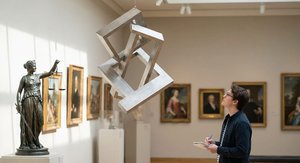
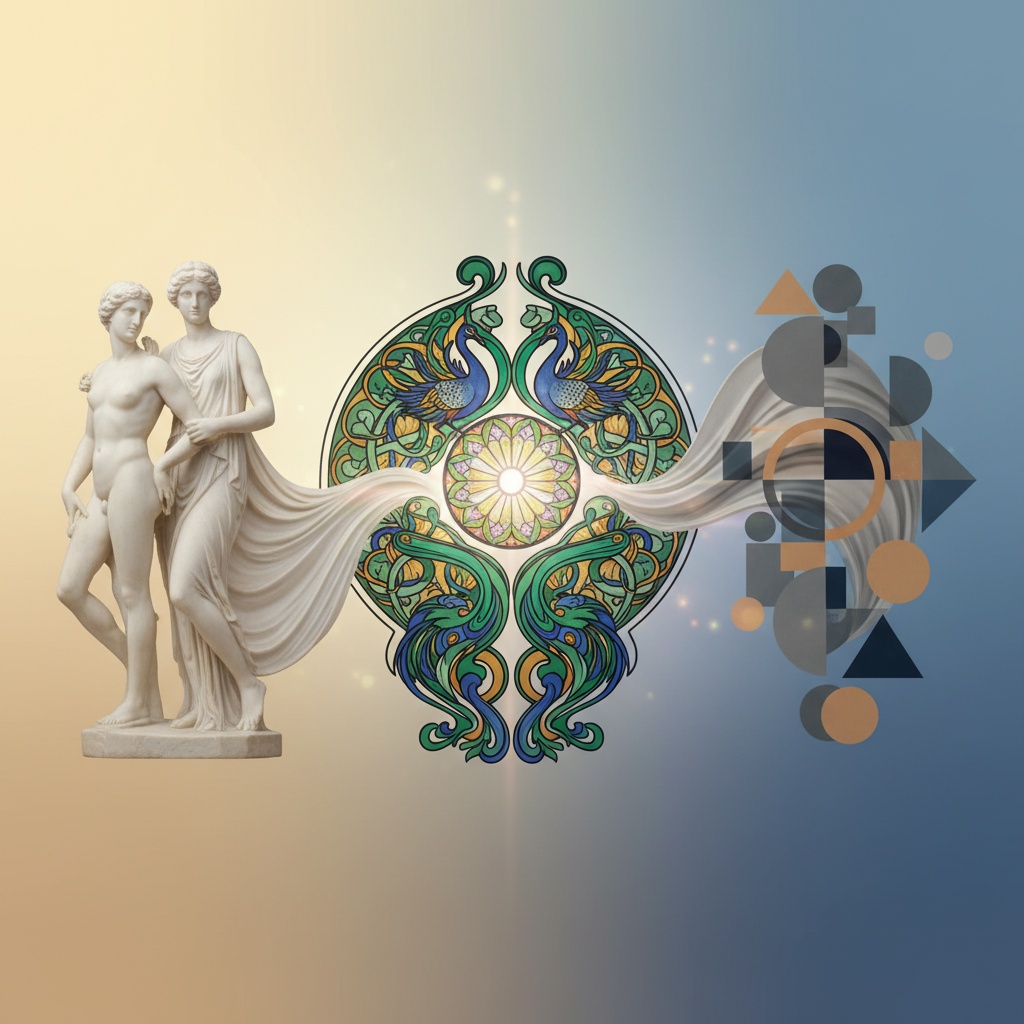
From the earliest cave paintings to the most avant-garde contemporary installations, the pursuit of balance has been a fundamental driving force in artistic creation. It’s not merely about visual symmetry – though that certainly plays a role – but rather a deeper resonance with our innate human desire for order, harmony, and a sense of completeness. This yearning manifests across cultures and epochs, evolving in expression yet remaining consistently present as an underlying principle. The most successful artworks aren't simply *pleasing* to the eye; they establish a delicate equilibrium that speaks directly to our subconscious, evoking feelings of tranquility, power, or even profound emotional tension. This exploration delves into how artists throughout history have grappled with this concept, transforming it from a technical challenge into a powerful means of communication and aesthetic expression.
Renaissance Ideals: Symmetry, Proportion, and Divine Order
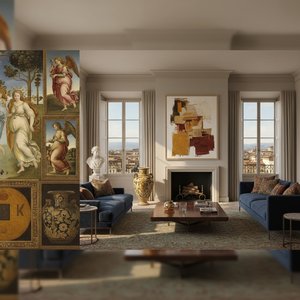
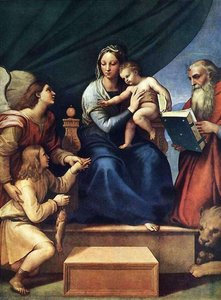
The Renaissance witnessed a fervent rediscovery of classical principles, and with them came a renewed emphasis on mathematical proportion and symmetrical composition. Artists believed that these elements weren’t arbitrary choices but rather reflections of the divine order governing the universe. Figures were meticulously rendered according to ideal human proportions – often based on Vitruvian Man's principles – creating a sense of physical perfection and intellectual harmony. Raphael, a master of this approach, exemplified this in works like Madonna with the Fish. The composition isn’t rigidly symmetrical; instead, it achieves balance through carefully distributed weight and subtle interplay between figures. The tender interaction between Mary, Jesus, and Joseph is framed by a landscape that echoes their serenity, creating a cohesive whole where every element contributes to a feeling of peaceful equilibrium. Similarly, in Theological Virtues, Raphael’s masterful arrangement of Faith, Hope, and Charity demonstrates not only technical skill but also a profound understanding of symbolic weight. Each virtue is positioned to complement the others, forming a harmonious triad that embodies spiritual perfection. This wasn't simply about aesthetic beauty; it was about conveying a sense of moral and theological order.
Chiaroscuro and Emotional Equilibrium: Mastering Light and Shadow
As art moved into the Baroque period, the emphasis shifted from idealized forms to dramatic realism and emotional intensity. While symmetry remained important, artists began exploring more dynamic ways to achieve balance – particularly through the masterful manipulation of light and shadow. Chiaroscuro, originating in Renaissance drawing but reaching its zenith with Caravaggio, became a powerful tool for creating both visual impact and psychological depth. By contrasting starkly lit areas with deep shadows, artists could draw attention to key figures, heighten emotional tension, and create a sense of theatrical drama. This technique wasn’t merely about representing light realistically; it was about using it as a symbolic language. Shadows concealed as much as they revealed, suggesting hidden depths and inner turmoil. The interplay between light and darkness created an equilibrium not of form but of feeling – a delicate balance between hope and despair, faith and doubt. This technique allowed artists to imbue their works with a palpable sense of life and emotion, moving beyond mere representation towards profound psychological insight.
Impressionism's Fleeting Harmony: Capturing Moments of Concordance
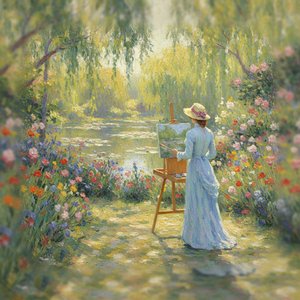
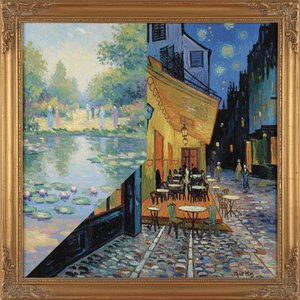
The Impressionists challenged traditional notions of balance altogether, rejecting the rigid structures of academic painting in favor of capturing fleeting moments of light and color. Their canvases often appear deliberately asymmetrical, lacking the clear focal points and balanced compositions of earlier works. However, this wasn’t a rejection of harmony but rather a different approach to achieving it. Impressionists sought to capture the *impression* of a scene – the way light played across surfaces, the subtle shifts in color, the ephemeral quality of atmosphere. Balance was achieved not through static arrangement but through dynamic interplay of hues and brushstrokes. A seemingly chaotic composition could nonetheless feel harmonious if the colors were carefully chosen and balanced, creating a sense of visual unity. They focused on capturing the subjective experience of perception, finding balance within the momentary equilibrium of light, color, and atmosphere.
Modernist Disruptions & Reconstructions of Balance
The 20th century saw radical experimentation with form and composition, often deliberately disrupting traditional notions of balance. Artists like Salvador Dalí, in works such as Self-portrait (Figueres), 1921, explored the subconscious mind, creating surreal landscapes that defied logical order. Balance wasn’t about visual harmony but rather about psychological tension and emotional disruption. Cubism fragmented forms, challenging our perception of space and reality. Abstract Expressionism abandoned representational imagery altogether, focusing on pure color and gesture. Yet, even in these seemingly chaotic works, a sense of balance could be found – not in symmetrical arrangement but in the dynamic interplay of shapes, colors, and textures. Modernist artists sought to reconstruct balance from within, creating new forms of equilibrium that reflected the complexities and anxieties of the modern world. This often involved exploring negative space, unconventional compositions, and challenging established aesthetic norms.
Conclusion: The Timeless Pursuit of Artistic Harmony
The story of balance in art is a testament to the enduring power of human creativity. From the Renaissance ideals of symmetry and proportion to the Modernist disruptions of form and composition, artists have consistently sought ways to evoke a sense of equilibrium – whether through technical mastery, emotional intensity, or psychological insight. This pursuit isn’t merely about creating visually pleasing images; it's about reflecting our innate desire for order, harmony, and a deeper understanding of the world around us. At ArtsDot, we celebrate this rich artistic heritage by offering meticulously crafted reproductions that capture the beauty and complexity of these timeless masterpieces. Explore our collection today and discover how artists throughout history have transformed the concept of balance into a powerful means of expression, inviting you to experience the enduring appeal of harmony in art.