The Dawn of Feeling: Romanticism's Rejection of Enlightenment Rationality
The late 18th century witnessed a seismic shift in intellectual and artistic currents, a turning away from the cool precision of the Enlightenment towards a fervent embrace of emotion, intuition, and the power of individual experience. This was the birth of Romanticism, a movement that didn’t simply offer an alternative aesthetic but represented a fundamental re-evaluation of what it meant to be human. For decades, European society had been steeped in reason, logic, and scientific inquiry – ideals that, while groundbreaking, began to feel insufficient for capturing the complexities of the inner life. Thinkers like Jean-Jacques Rousseau laid the groundwork by championing subjectivity, arguing that genuine understanding stemmed not from objective analysis but from personal feeling. This emphasis on the individual’s unique perspective paved the way for artists who sought to express a world beyond the purely rational – a world of dreams, passions, and profound spiritual yearning.
The prevailing social order, increasingly defined by industrialization and urbanization, also fueled this discontent. The burgeoning factories and crowded cities felt alienating to many, prompting a nostalgic longing for simpler times and a deeper connection with nature. Romanticism wasn’t merely an aesthetic choice; it was a reaction – a powerful counter-current against the perceived coldness of modernity. It sought refuge in the past, particularly the medieval era, reimagined as a time of chivalry, heroism, and organic community. This rejection of classical forms and embrace of emotional intensity marked a radical departure from artistic conventions, setting the stage for a new era of expressive freedom.
Nature as Sublime Spectacle: Friedrich, Turner, and the Power of Landscape
Sublime may refer to: == Theory == Sublime (literary), use of language that excites emotions beyond ordinary experience Sublime (philosophy), the quality of greatness == Entertainment == SuBLime, a comic imprint of Viz Media for BL manga Sublime ...
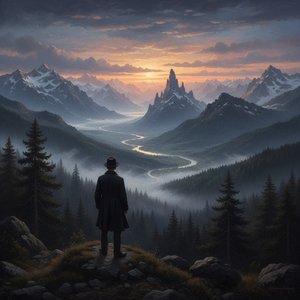
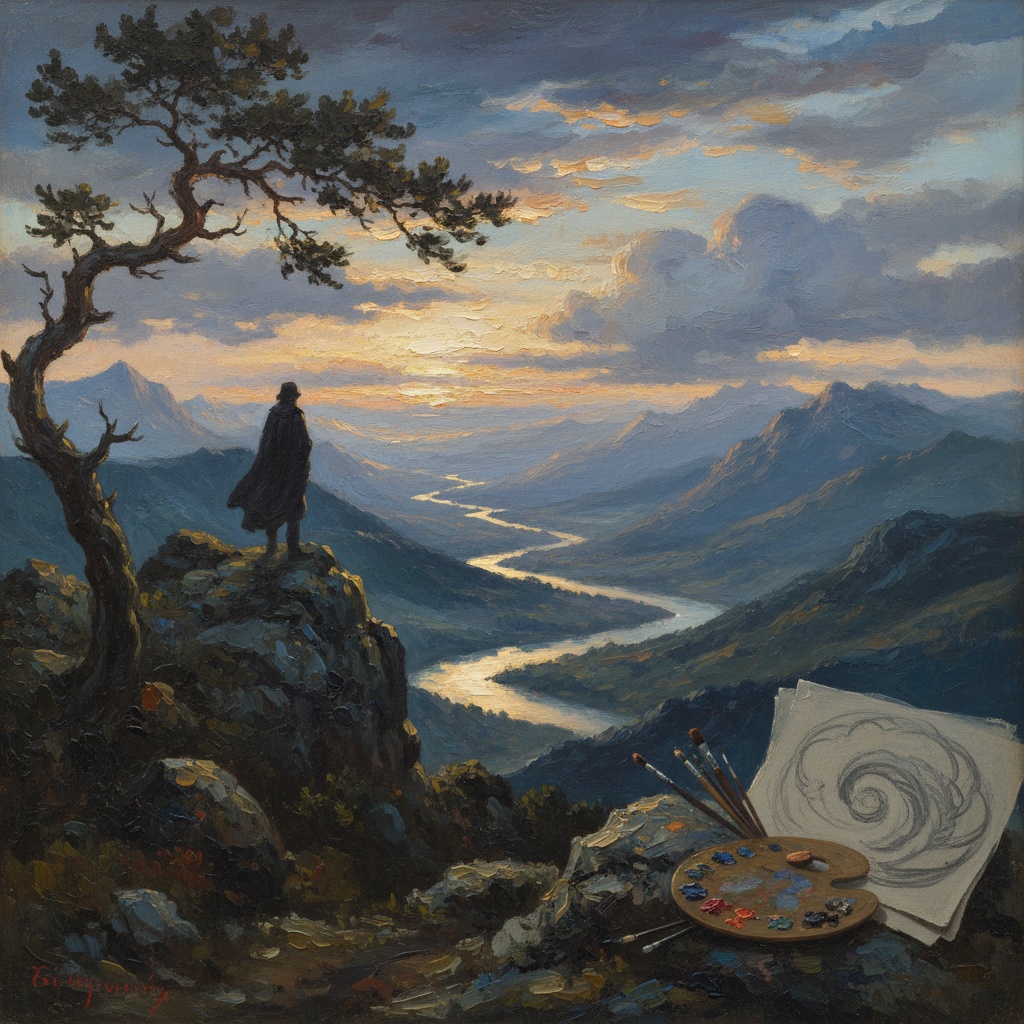
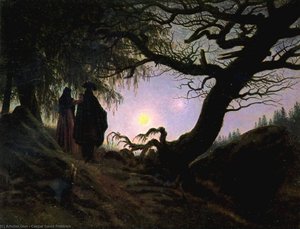
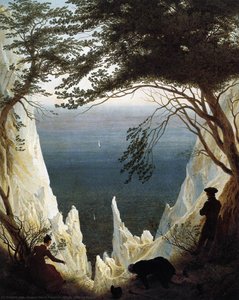
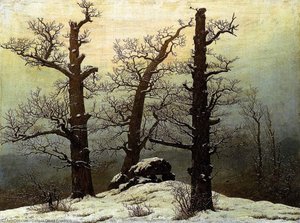
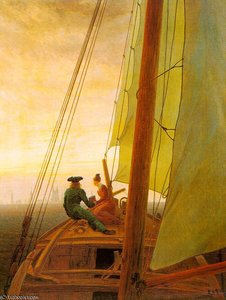
Central to Romanticism’s vision was a profound reverence for nature. However, this wasn't simply a pastoral appreciation for idyllic scenes; it was an encounter with something vast, awe-inspiring, and often terrifying – the sublime. Artists like Caspar David Friedrich masterfully captured this duality in his haunting landscapes. Consider “Mountain Landscape with Rainbow,” where a solitary figure gazes out upon a seemingly limitless expanse of peaks and valleys. The scale is deliberately overwhelming, dwarfing the individual and evoking a sense of both wonder and insignificance. Friedrich wasn’t interested in depicting nature realistically; he sought to convey its emotional resonance – the feeling of being utterly humbled by its power.
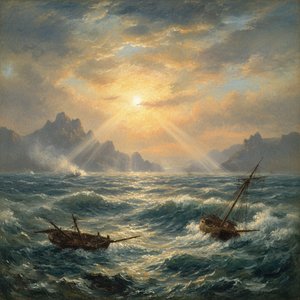
J.M.W. Turner took this exploration even further, pushing the boundaries of representation with his swirling, atmospheric paintings. His works often dissolve form into light and color, creating an almost abstract impression of nature’s raw energy. Turner's seascapes, in particular, are imbued with a sense of drama and turbulence, reflecting not just physical phenomena but also the emotional turmoil of the human spirit. The power of the ocean, the fury of storms – these weren’t merely subjects to be painted; they were metaphors for the overwhelming forces that shape our lives. Both Friedrich and Turner utilized technique—brushwork, color palette, composition—not as ends in themselves, but as tools to unlock deeper emotional truths within the viewer.
Individuality & Passion: Goya’s Emotional Intensity and the Romantic Hero
An emotional expression is a behavior that communicates an emotional state or attitude. It can be verbal or nonverbal, and can occur with or without self-awareness. Emotional expressions include facial movements like smiling or scowling, simple behav...
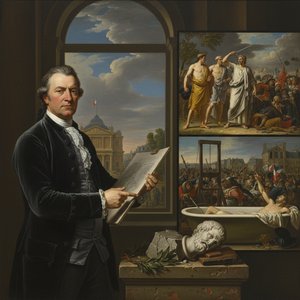
While often associated with landscapes, Romanticism also found powerful expression in portraiture and historical painting. Francisco Goya, a Spanish master, stands out as a particularly compelling figure. His early works adhered to traditional conventions, but his later paintings – especially those created during the Peninsular War – reveal a profound shift towards emotional intensity and social commentary. Goya’s “The Third of May 1808” is a harrowing depiction of the brutality of war, capturing the terror and despair of ordinary people facing execution. Unlike idealized depictions of heroism, Goya presents a raw, unflinching portrayal of suffering.
This focus on individual experience extended to the concept of the Romantic hero – a figure often isolated, rebellious, and driven by intense passions. Lord Byron’s poetry epitomized this archetype, celebrating individualism and challenging societal norms. The Romantic hero wasn't necessarily virtuous or noble; he was often flawed, tormented, and ultimately tragic. This fascination with the darker aspects of human nature reflected a growing disillusionment with Enlightenment ideals and a recognition of the complexities inherent in the human condition.
The Allure of Melancholy: Exploring Themes of Loss, Longing, and the Supernatural
A pervasive sense of melancholy permeated much of Romantic art. This wasn’t simply sadness; it was a profound longing for something lost or unattainable – a yearning for spiritual connection, a nostalgia for a bygone era, or a recognition of the inherent transience of life. Artists explored these themes through symbolism and allegory, often depicting ruins, abandoned landscapes, and ghostly figures. The supernatural also held a particular fascination for Romantics, offering an escape from the limitations of reason and a glimpse into realms beyond human comprehension.
The Middle Ages, with its myths, legends, and gothic architecture, provided rich source material for these explorations. Artists often depicted scenes of knights, castles, and mysterious forests, evoking a sense of wonder and enchantment. This fascination wasn’t simply about historical accuracy; it was about tapping into the collective unconscious – exploring archetypal themes and emotions that resonated deeply with audiences.
Technique as Expression: Brushwork, Color, and the Pursuit of Authentic Emotion
Romantic artists deliberately rejected the smooth, polished surfaces favored by Neoclassical painters. Instead, they embraced visible brushwork, impasto, and a more expressive use of color. This wasn’t about technical perfection; it was about conveying emotion directly through the materiality of paint. The very act of painting became a form of emotional expression – a way to translate inner feelings onto canvas.
Color played a crucial role in this pursuit. Artists often used dramatic contrasts of light and shadow to create mood and atmosphere, employing rich, saturated hues to evoke specific emotions. The use of color wasn’t arbitrary; it was carefully considered and deliberately employed to enhance the emotional impact of the work. Ultimately, Romanticism sought to break down the barriers between art and life – to create works that weren't merely representations of reality but embodiments of feeling.
The legacy of Romanticism continues to resonate today, influencing artists across a wide range of disciplines. Its emphasis on individuality, emotional expression, and the power of nature remains profoundly relevant in our increasingly complex world. At ArtsDot.com, we celebrate this enduring legacy by offering high-quality reproductions of Romantic masterpieces, allowing you to bring the passion and beauty of this transformative movement into your own home.