The Roots of Botanical Precision: Early Herbal Traditions
 Wikipedia: Botanical illustration
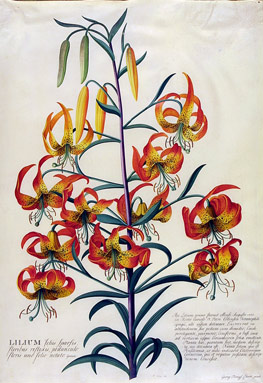
Botanical illustration is the art of depicting the form, color, and details of plant species. They are generally meant to be scientifically descriptive about subjects depicted and are often found printed alongside a botanical description in books, m...
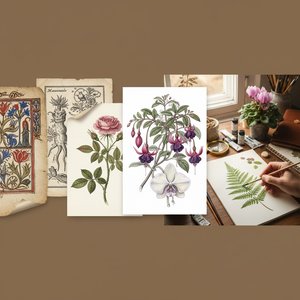
Before the advent of dedicated scientific illustration, the depiction of plants existed primarily within the realm of practical necessity – and often, spiritual belief. Ancient herbal traditions, stretching back millennia across cultures from Egypt to China, relied on visual representations for identification and medicinal use. These early renderings weren’t concerned with aesthetic beauty in the modern sense; rather, they prioritized clarity and accuracy as tools for survival. The Dioscorides' De Materia Medica, a Greek pharmacopoeia compiled around 50 AD, stands as a cornerstone of this tradition. Its painstakingly copied illustrations, though often stylized, served a vital purpose: to ensure the correct plant was harvested for healing. These images weren’t simply ‘pictures’ but coded instructions, passed down through generations of healers and apothecaries. The focus wasn't on capturing the romantic essence of nature, but its utility – a pragmatic approach that nonetheless laid the groundwork for future artistic endeavors.
Maria Sibylla Merian and the Metamorphosis Revolution
 Wikipedia: Illustration
An illustration is a decoration, interpretation, or visual explanation of a text, concept, or process, designed for integration in print and digitally published media, such as posters, flyers, magazines, books, teaching materials, animations, video g...
The 17th century witnessed a paradigm shift in botanical illustration with the work of Maria Sibylla Merian (1647-1717). A German naturalist and artist, Merian defied convention by meticulously documenting not just plants, but their entire life cycles – particularly those of insects. Her magnum opus, Erucarum Ortus, Alimentum Et Paradoxa Metamorphosis (“The Wonderful Transformation of Caterpillars”), published in 1679, was revolutionary. Unlike previous botanical works that often depicted isolated specimens, Merian’s illustrations showcased the intricate relationships between plants and insects, illustrating their symbiotic connections with breathtaking detail. She didn't merely observe; she *raised* caterpillars, carefully recording each stage of their development alongside the host plants they consumed. This dedication to firsthand observation—a radical departure from relying on secondhand accounts—elevated botanical illustration from a descriptive practice to a genuine scientific investigation. Her vibrant watercolors weren’t just beautiful; they were evidence-based narratives of natural history.
The Age of Exploration & Scientific Illustration's Golden Era
The fervor of the Age of Exploration fueled an unprecedented demand for knowledge about the world’s flora and fauna. As explorers charted new territories, botanical artists accompanied them, tasked with documenting previously unknown species. This period saw a flourishing of scientific illustration, driven by both intellectual curiosity and imperial ambitions. Artists like Jacques Barraband (1760-1834) became renowned for their exquisite depictions of birds from around the globe, commissioned to create detailed plates for ornithological studies. These illustrations weren’t simply about cataloging new discoveries; they were also instruments of power, used to classify and control natural resources. The precision required was immense – artists had to accurately capture not only the physical characteristics of plants and animals but also their habitats and behaviors. This era established a standard of botanical accuracy that continues to influence illustration today.
Victorian Flourishes: Marianne North and the Rise of Accessible Art
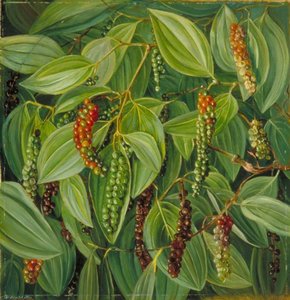
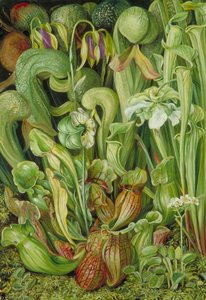
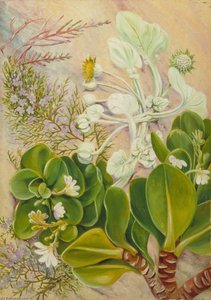
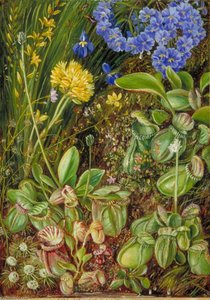
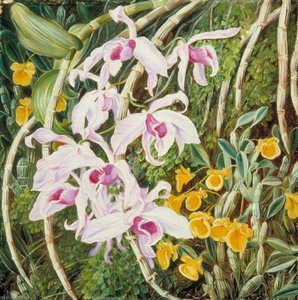
The Victorian era witnessed a democratization of art and natural history, exemplified by the work of Marianne North (1830-1890). Unlike many of her predecessors who worked under scientific patronage, North traveled independently, funding her own expeditions to exotic locales. She painted over 800 botanical paintings during her travels, capturing scenes from around the world with a distinctive style characterized by bold colors and dynamic compositions. North’s work wasn't solely focused on scientific accuracy; she infused her illustrations with a sense of personal experience and artistic flair. Her decision to donate her entire collection to Kew Gardens in 1889, along with funding for a dedicated gallery, made her art accessible to the public – a groundbreaking act that broadened the appeal of botanical illustration beyond academic circles. The Marianne North Gallery remains a testament to her adventurous spirit and enduring legacy.
Beyond Documentation: The Artistic Expression Within Naturalism
While scientific accuracy has always been central to botanical illustration, it’s crucial to recognize the inherent artistic skill involved. Artists like Mary Vaux Walcott (1865-1940) demonstrated that meticulous documentation and aesthetic beauty aren't mutually exclusive. Her watercolors of wildflowers, renowned for their delicate detail and vibrant colors, transcend mere scientific representation; they are works of art in their own right. Similarly, the anatomical studies of Émile Deyrolle (1838-1917), though rooted in scientific observation, possess a striking visual power. The careful rendering of muscle structures and skeletal forms reveals not only an understanding of anatomy but also a deep appreciation for the beauty of the natural world. These artists demonstrate that botanical illustration is not simply about *seeing* nature, but about interpreting it through a unique artistic lens.
Contemporary Echoes: Botanical Illustration Today
Botanical illustration continues to thrive in the 21st century, evolving alongside new technologies and artistic sensibilities. Contemporary artists like Julia Loken blend traditional watercolor techniques with modern design elements, creating works that celebrate both the beauty and fragility of nature. The field has also seen a resurgence in interest driven by environmental awareness and a desire for connection with the natural world. Today’s botanical illustrators are not only documenting plants but also using their art to raise awareness about conservation issues. From detailed scientific studies to expressive artistic interpretations, the legacy of Merian, North, and their contemporaries continues to inspire artists around the globe. At ArtsDot.com, we celebrate this rich tradition by offering high-quality reproductions of botanical masterpieces, allowing you to bring the beauty and wonder of nature into your home. Explore our collection today and discover the enduring power of naturalistic illustration.